Troubleshooting a Washer That Won’t Spin
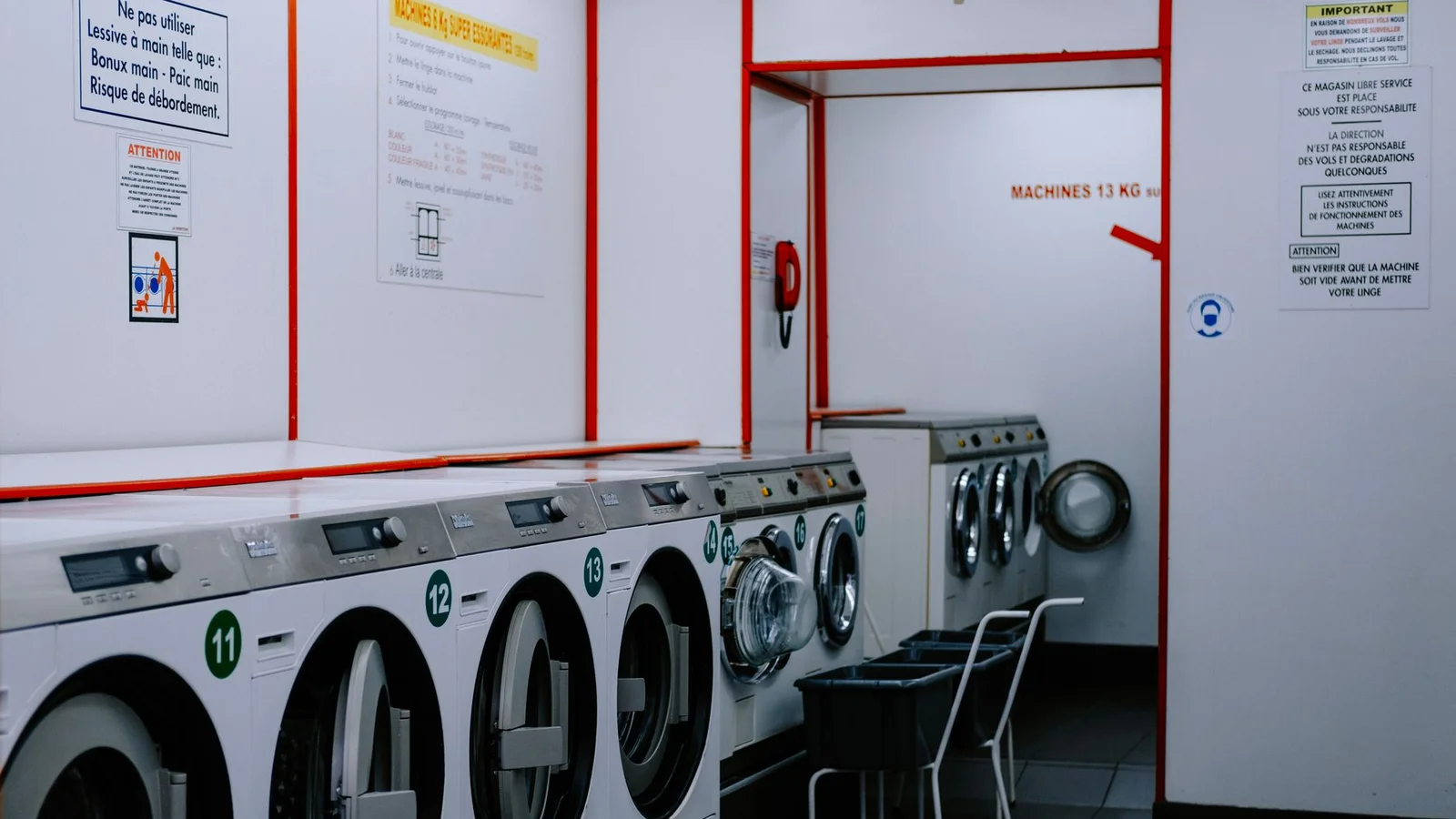
A washing machine that fills and agitates but leaves clothes sitting in water at the end of a cycle has a spin or drain problem, and several of the causes are things a renter can check before calling for service. The most frequent reason a washer will not spin is an unbalanced load. A heavy item like a comforter, or all the laundry bunched to one side of the drum, trips the machine’s balance sensor and it refuses to spin for safety. Open the lid, redistribute the load evenly, and restart the spin.
On a top-loading washer, the lid switch is another common culprit. The machine will not spin unless it senses the lid is closed, and a worn or stuck lid switch can fail to register a closed lid even when it is shut. You can often hear the switch click as the lid closes; if it does not click, the switch may be the problem. Make sure nothing is obstructing the lid from closing fully, since even a small gap can stop the spin.
Drainage ties directly into spinning, because most washers will not spin until they have drained. If the machine cannot drain, water stays in the drum and the spin never starts. Check the drain hose at the back for kinks, and confirm it is not clogged or pushed too far down the standpipe. Many washers also have a drain pump filter, often behind a small access panel near the bottom front, that traps lint, coins, and debris; cleaning it can restore both draining and spinning.
Moving Out Soon?
Get our free room-by-room move-out checklist and keep your deposit.
See the Checklist →Run through these checks in order, balance, lid switch, drain hose, and filter, and you will resolve most no-spin situations. If the washer still will not spin after the load is balanced, the lid closes with a click, and the drain path is clear, the issue may be a worn drive belt, a failed pump, or a motor problem, all of which call for repair. In a rental, report a washer that needs that level of service to your landlord rather than dismantling the machine yourself.
Know When It’s the Machine and When to Report It
A washer that will not spin is often something a renter can clear: an unbalanced load thrown to one side, a lid switch that is not engaging, or a drain hose that needs to settle. Redistribute the laundry, confirm the lid clicks shut, and check that the machine is level before assuming the worst.
But some failures are not yours to fix and not yours to pay for. A motor that hums without turning, a burning smell, or a belt issue points to a repair that belongs to your landlord if the appliance came with the unit. Report those in writing promptly; documenting the fault protects you from being blamed for a breakdown that was simple wear.
When It’s a Lid or Door Switch, Not the Motor
Before assuming the worst, check whether the washer is a front-loader with a door that isn’t latching fully or a top-loader with a lid switch that’s stuck or dirty. These small plastic sensors exist specifically to stop the motor from running with the door open, and they fail far more often than the motor itself. Wiggling the door to confirm it clicks shut, or gently cleaning around the lid switch with a dry cloth, resolves a surprising number of “dead” washers without any parts or a maintenance call.
Frequently Asked Questions
Why is my washer not spinning?
An unbalanced load, a lid switch issue, or a clogged drain hose.
What do I try first?
Redistribute the load and restart the cycle.
When do I report it?
If it still will not spin after the basic checks.
Related reading
- The Ultimate Renter Move-Out Checklist (Room by Room)
- Renter Move-Out Mistakes That Cost You Your Deposit
- The Renter’s 30-Day Move-Out Countdown Plan
- Move-Out Cleaning Checklist: What Landlords Want Spotless
Further reading
Related official resources:
- HUD — Rental Assistance & Tenant Rights — Tenant rights and rental-assistance guidance by state
- ENERGY STAR — HVAC Maintenance Checklist — Keeping HVAC and filters in good shape