
Cleaning a Clogged Aerator to Restore Flow
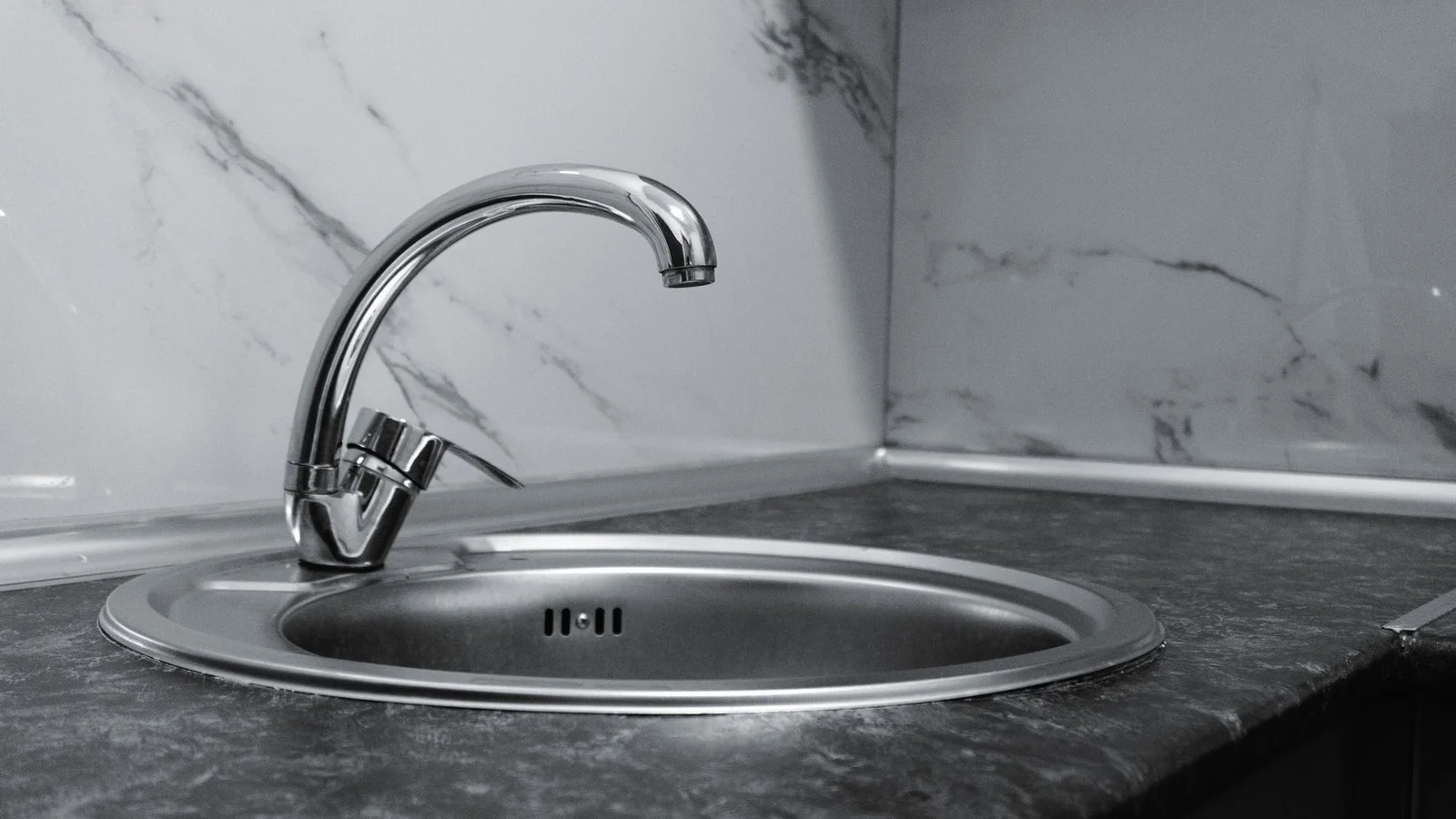
The aerator is the small screened fitting that screws onto the tip of most faucets, mixing air into the water for a smooth, splash-free stream. Because it is the last point the water passes through, it catches mineral scale, sediment, and tiny debris from the pipes, and over time that buildup chokes the flow or splits the stream into erratic sprays. Cleaning it is one of the simplest plumbing tasks there is and often restores a weak faucet to full strength in minutes.
Start by unscrewing the aerator from the spout. Most thread off by hand if you grip firmly and turn; if it is stuck with corrosion, wrap the aerator in a cloth to protect the finish and use pliers gently. Note the orientation of the parts as they come apart, because an aerator is a small stack of components, a screen, a perforated disc, and sometimes a rubber washer, that must go back in the same order and direction to work.
Once apart, rinse each piece and brush the screen with an old toothbrush to dislodge grit. For the white crusty mineral scale that builds up in hard-water areas, soak the parts in white vinegar for a few hours to dissolve the deposits, then brush and rinse again. Hold the parts up to the light to confirm the tiny holes are all clear, since even a partially blocked screen noticeably weakens the flow.
Moving Out Soon?
Get our free room-by-room move-out checklist and keep your deposit.
See the Checklist →Reassemble the aerator in the correct order and thread it back onto the spout hand-tight, adding a gentle nudge with cloth-wrapped pliers if needed to stop drips at the connection. Run the water and check that the stream is full and straight. If you find yourself cleaning the aerator often, hard water is the cause, and cleaning it every few months becomes simple maintenance. Keeping the aerator clear not only improves the faucet but is the kind of small upkeep that keeps fixtures in good shape through your tenancy.
Why a Clogged Aerator Mimics Bigger Problems
A faucet that suddenly runs weak or sprays sideways usually has a clogged aerator, not a plumbing fault, which is good news because it is the easiest fix in the kitchen. Mineral scale and grit collect in the little screen at the tip of the spout and choke the flow long before anything inside the wall is to blame.
Unscrew the aerator by hand or with tape-wrapped pliers so you do not scar the finish, rinse the screens, and soak them in vinegar to dissolve hard-water buildup. Reassemble the parts in the same order and the pressure returns. Knowing this saves you from reporting a non-problem and from being charged for a plumber who finds nothing wrong.
Preventing the Next Clog
Aerators clog fastest in apartments with hard or well water, where mineral scale builds up on the mesh screen every few months rather than every few years. Unscrewing and rinsing the aerator every couple of months, even before you notice a flow problem, keeps the deposits from hardening into the stubborn crust that needs a vinegar soak to remove. Keeping a small bag with your faucet’s aerator size on hand also makes replacement painless if one ever cracks during removal.
Frequently Asked Questions
How do I clean a faucet aerator?
Unscrew it and soak it in vinegar to dissolve mineral buildup.
Why bother?
A clogged aerator causes low or sputtering flow.
How do I reattach it?
Rinse, reassemble in order, and screw it back on hand-tight.
Related reading
- How to Remove Old Tape Residue From Walls and Windows
- How to Clean Window Tracks That Are Caked With Grime
- Best Products to Clean Baseboards Before Move-Out
- How to Remove Crayon or Marker From Walls Without Repainting
Official guidance & resources
Helpful authoritative reading on this topic:
- USA.gov — Tenant Rights — How to handle landlord disputes and deposit issues
- EPA WaterSense — Water-efficient faucets, showerheads and fixtures
- EPA Safer Choice — EPA-certified safer cleaning products