Lifting Crayon and Marker Off Walls Without Repainting
Crayon and marker on the walls look like a repainting job but usually are not, because the marks sit on top of the paint rather than soaking into it, and the right solvent lifts them cleanly. The trick is matching the method to the medium: crayon is wax and responds to heat or gentle oils and abrasives, while marker is dye-based and responds to alcohol or specific solvents. Reaching for the wrong one wastes effort, so identify what you are dealing with first.
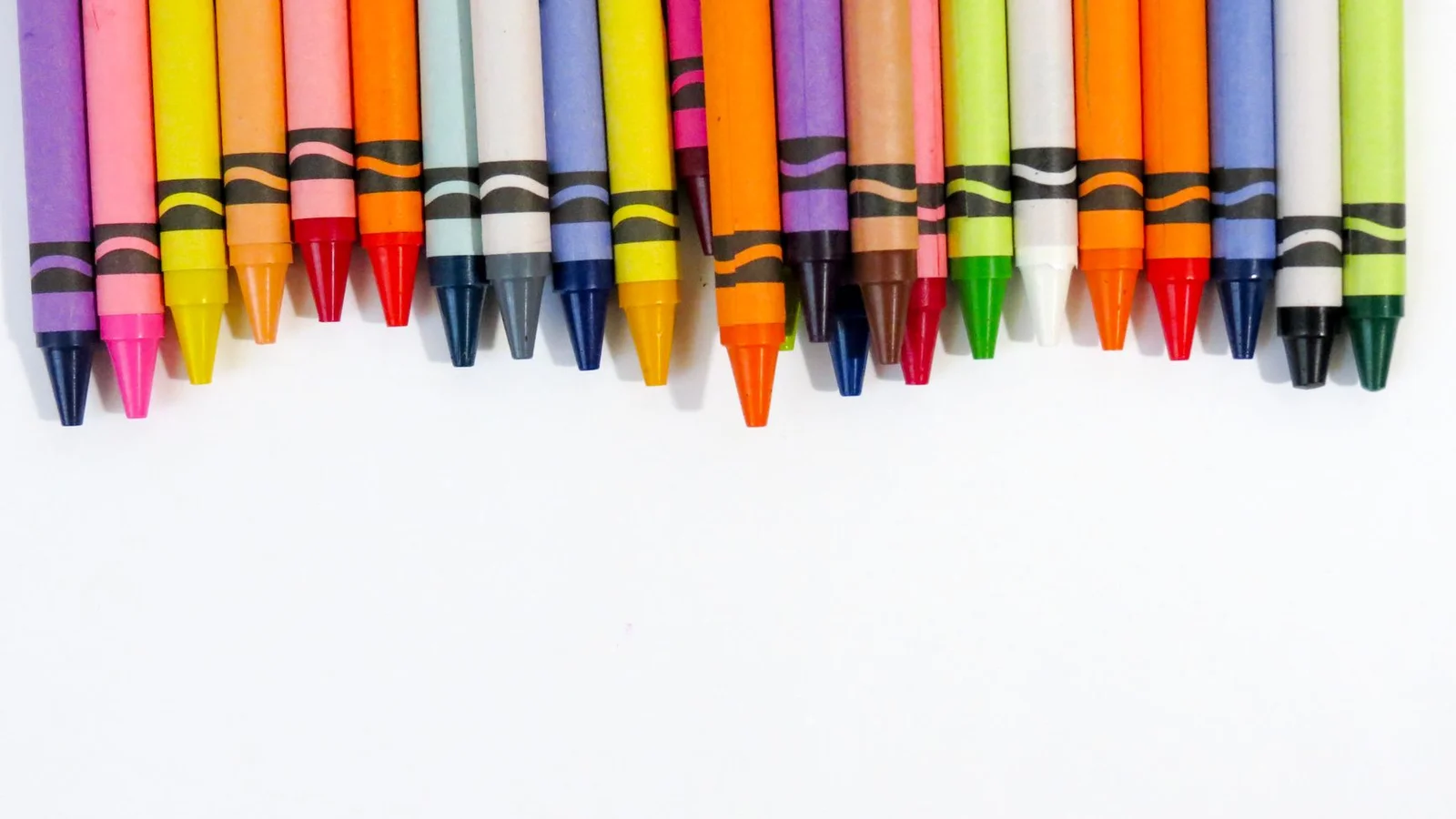
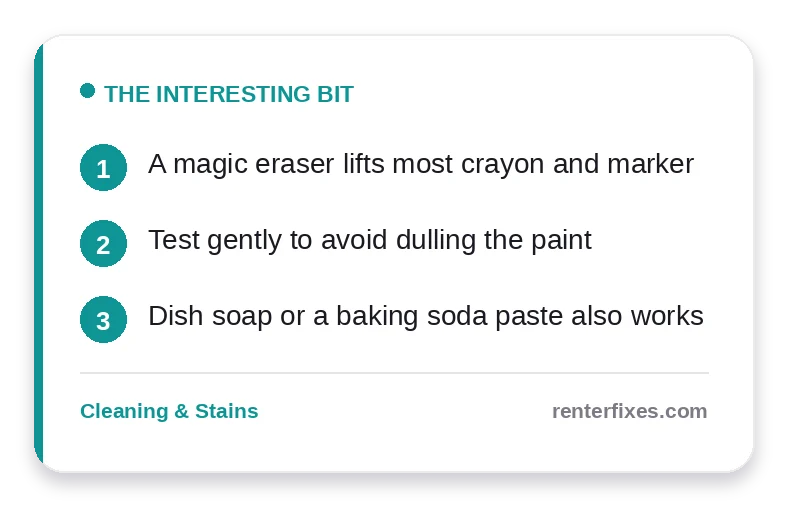
Crayon comes off surprisingly easily. A melamine foam eraser, used barely damp with light pressure, lifts most crayon in seconds, though you should test it first since it can dull flat paint. For a gentler approach, a paste of baking soda on a damp cloth, or a little non-gel toothpaste rubbed in and wiped away, abrades the wax off without harsh chemicals. Warm air from a hair dryer softens crayon so it wipes off more readily, which helps on heavier scribbles.
Marker is trickier because the dye wants to spread. Rubbing alcohol on a cotton ball or cloth dissolves many marker inks; dab rather than scrub, and work from the outside of the mark inward so you do not smear it into a larger stain. A bit of hand sanitizer, which is alcohol-based, works in a pinch. For permanent marker, the same alcohol approach helps, and some renters find that writing over dry-erase marker, then wiping, can lift certain inks. Always blot the dissolved ink away with a clean section of cloth so you remove it rather than relocate it.
Moving Out Soon?
Get our free room-by-room move-out checklist and keep your deposit.
See the Checklist →Protect the paint throughout by starting gentle and testing in a hidden spot, because flat and matte rental paints are delicate and aggressive scrubbing or strong solvents can lift the finish along with the mark. Rinse the area with a damp cloth after cleaning to remove any residue. If a stubborn mark will not fully release without damaging the paint, a small dab of matching touch-up paint over the spot is the clean fallback, and far less work than repainting an entire wall over a child’s artwork.
Whatever the medium, protect the wall by escalating slowly and rinsing afterward. Start with the gentlest method, test any abrasive or solvent in a hidden spot, and stop the moment the mark lifts rather than scrubbing the paint thin. Once the crayon or marker is gone, wipe the area with a clean damp cloth to remove residue and let it dry. If a trace remains that refuses to budge without damaging the finish, a small dab of matching touch-up paint over the spot is the clean, low-effort fallback, far easier than repainting the whole wall.
When Erasers and Solvents Aren’t Enough
Melamine sponges (the “magic eraser” type) work by gently abrading the top layer of paint, so on flat or matte finishes they can leave a slightly duller patch behind even after the mark is gone. Always test in a hidden spot first, like behind a door or under a light switch plate, before working on a visible wall. If a mark still ghosts through after cleaning, a small dab of rubbing alcohol on a cotton ball often lifts wax-based crayon that soap and water left behind, without the sheen change a scrub pad can cause.
Frequently Asked Questions
How do I remove crayon or marker from walls?
A magic eraser lifts most marks without repainting.
Will it harm the paint?
Test gently, since it can dull some finishes.
Any alternatives?
Dish soap or a baking soda paste also works.
Related reading
- How to Remove Scuff Marks from Walls Without Damaging Paint
- How to Remove Old Tape Residue From Walls and Windows
- How to Remove Grease Stains From Kitchen Walls in a Rental
- How to Fix Scuffed and Scratched Rental Floors Without Losing Your Deposit
Further reading
Want to dig deeper? These trusted, independent resources are worth a read before you start:
- HUD — Rental Assistance & Tenant Rights — Tenant rights and rental-assistance guidance by state
- EPA — Protect Your Family From Lead in Your Home — Lead-paint precautions when sanding or patching pre-1978 walls