Stainless steel appliances look sharp when clean but show every fingerprint, water spot, and streak, and the reason most cleaning attempts leave streaks behind is using too much product, the wrong cloth, or wiping in the wrong direction. Getting a genuinely streak-free finish is less about buying a special product and more about a handful of habits that most people skip.
Find the Grain First
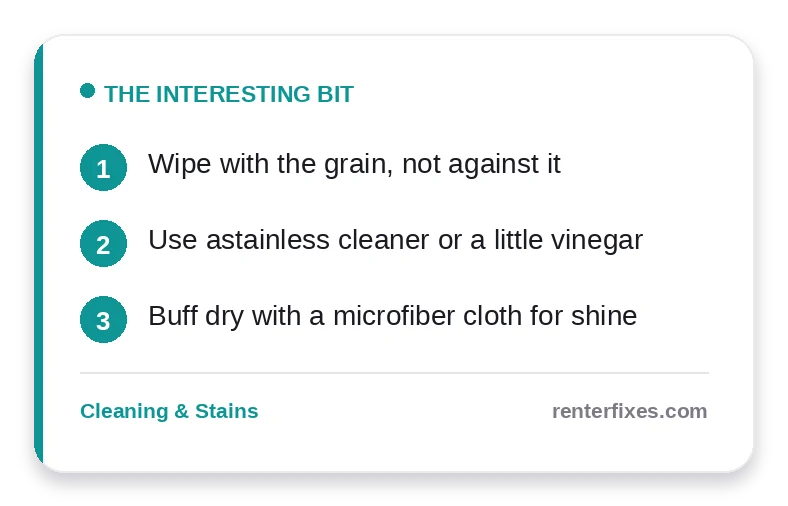
Stainless steel is finished with faint directional brushing lines that you can usually see if you tilt the surface toward a light source. Wiping with the grain blends any remaining moisture into an even sheen; wiping against it, or scrubbing in circles, is what leaves the visible smears and swirl marks people associate with a “bad” stainless finish. Before you clean anything, take thirty seconds to identify which way the lines run on each appliance, since a refrigerator door and a dishwasher panel do not always run the same direction.
Moving Out Soon?
Get our free room-by-room move-out checklist and keep your deposit.
See the Checklist →The Two-Cloth Method
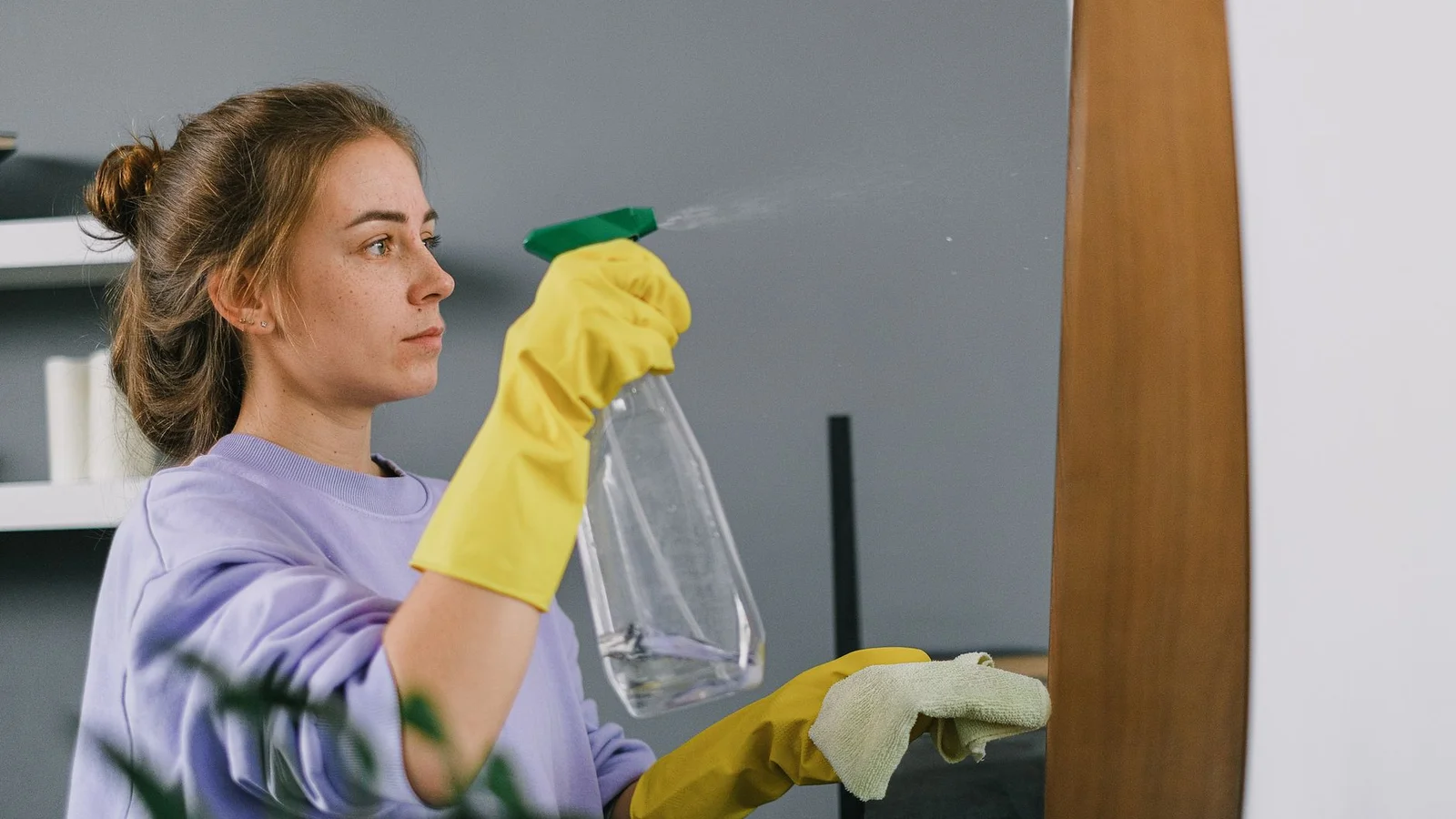
For everyday cleaning, less is more. Dampen a microfiber cloth with warm water and a single drop of dish soap, and wipe along the grain to lift fingerprints and light grime. Immediately follow with a second, dry microfiber cloth, also along the grain, to buff away moisture before it has a chance to dry into water spots. This one habit, cleaning with one cloth and drying with a second, is the single biggest factor separating a streak-free finish from a smeared one. White vinegar on a cloth also cuts grease and breaks up hard-water spots effectively if soap alone is not enough.
A Thin Coat of Oil for a Lasting Shine
Once the surface is clean and completely dry, a few drops of mineral oil or a food-safe oil on a fresh cloth, wiped thinly along the grain, leaves a subtle barrier that repels new fingerprints and gives the steel a warm luster. Use it sparingly; too much oil attracts dust and looks greasy rather than polished. Some renters skip this step entirely and just accept more frequent light wipe-downs, which works fine too — the oil step is about finish quality, not necessity.
Appliance-Specific Notes
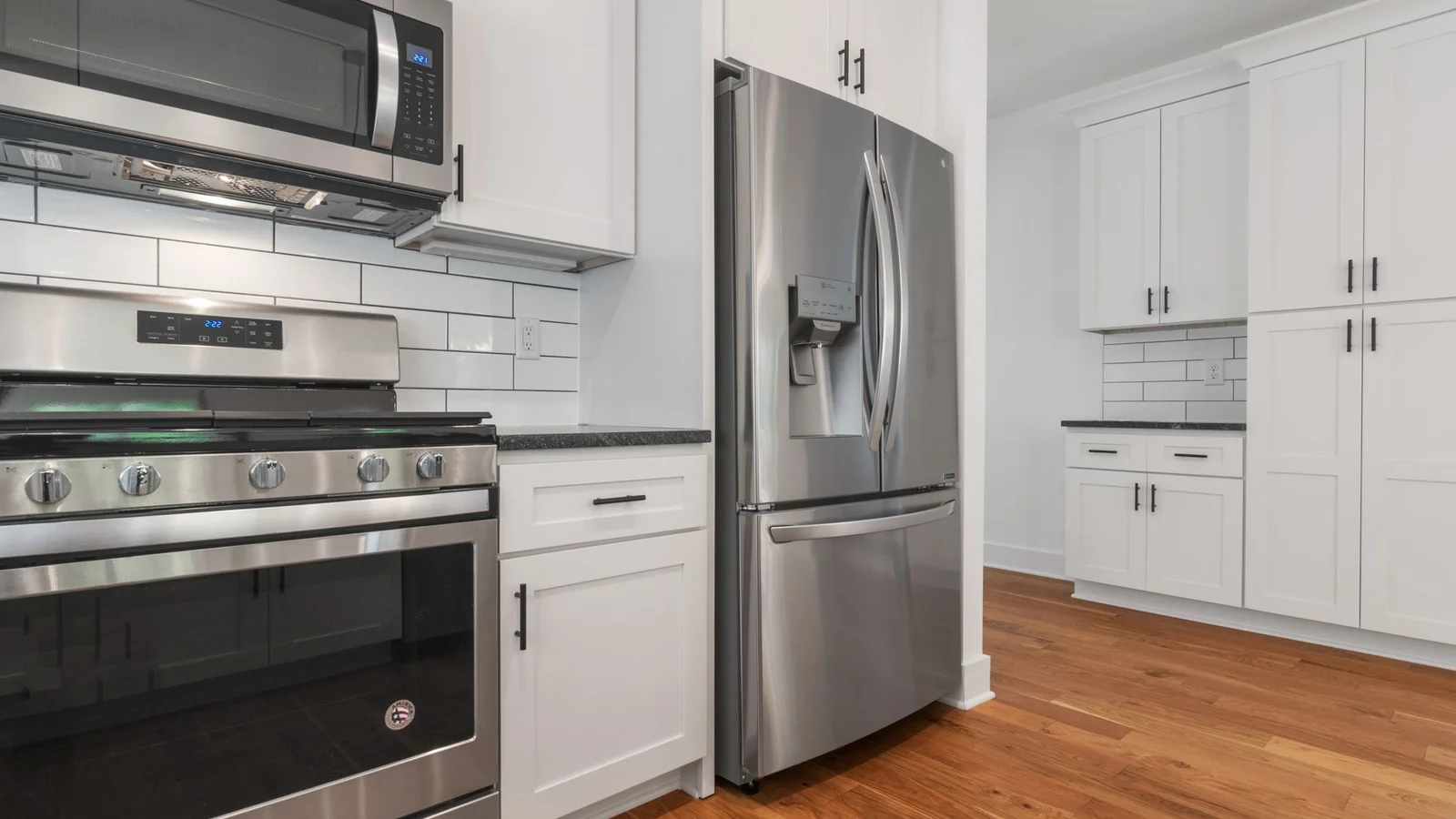
Refrigerator doors and handles take the most fingerprints of any stainless surface in the unit, so they benefit most from the oil step. Dishwasher control panels should be wiped with a barely damp cloth rather than a wet one, since moisture can seep behind the buttons. Range hoods and stovetops accumulate grease on top of the usual fingerprints, so a slightly stronger degreasing pass, still along the grain, is worth doing before the final oil wipe. On oven doors, pay attention to the seam where the door meets the frame, since grease and food splatter collect there and get missed in a quick wipe.
Brushed vs. Mirror Finish
Most rental-grade appliances use a brushed finish, which is more forgiving of minor cleaning mistakes because the texture hides faint marks. A mirror or high-polish finish, less common but occasionally found on newer fixtures, shows every streak and fingerprint far more obviously and calls for extra care with the two-cloth method and a genuinely soft, lint-free cloth rather than anything that could leave fine scratches.
What to Avoid Entirely
Abrasive pads, scouring powders, and steel wool scratch the finish permanently and should never touch stainless steel. Harsh chlorine bleach can pit and discolor the surface. Skip all-purpose sprays that leave a residue, and never wipe across the grain hoping to save time, since that is exactly what creates the streaks you are trying to avoid in the first place.
Steer clear of the products that permanently harm stainless steel, since the damage they cause cannot be cleaned away later, and a scratched appliance front is a far more expensive walkthrough item than a streaky one. With a microfiber cloth, a mild cleaner or a little vinegar, the grain as your guide, and a dry buff to finish, stainless appliances clean up to a spotless shine that reads as well-maintained during any inspection.
Find microfiber cloths and stainless steel cleaning kits: stainless steel cleaning supplies on Amazon.
More help: Cleaning and Stains guides
Why the Same Cloth Streaks One Day and Not the Next
Water hardness plays a bigger role than most people realize. In areas with hard water, plain water alone leaves mineral deposits behind as it evaporates, which look exactly like streaks even when the surface was wiped correctly. If you notice streaking no matter how carefully you follow the grain, switch from plain water to a vinegar-and-water solution or a dedicated stainless cleaner, both of which cut through mineral deposits that water alone leaves behind. Paper towels are the other common culprit: they shed lint and fibers onto the surface and tend to push moisture around rather than lifting it, which is why they consistently underperform a microfiber cloth even when the technique is otherwise identical.
Dealing With Deeper Damage
Light surface haze and fine hairline marks from normal cleaning are cosmetic and not something a landlord should charge for. Actual scratches that catch a fingernail, or small rust spots where the protective chromium layer has been compromised, are a different category. A stainless steel scratch-removal compound, applied with a soft cloth in short strokes along the grain, can visibly reduce shallow scratches, though it will not make them disappear entirely. Rust spots, which sometimes appear where an abrasive scrubber or steel wool has already damaged the surface, can often be treated with a stainless-safe rust remover followed immediately by the standard clean-and-oil routine to protect the now-exposed metal. Deep gouges or a scratch you can catch a fingernail on are cosmetic damage that cleaning will not fix, and it is worth mentioning those to your landlord rather than hoping they go unnoticed, since attempting an aggressive fix yourself risks making the mark more visible.
Fingerprint-Resistant Coatings
Some newer appliances have a fingerprint-resistant or anti-smudge coating applied at the factory. These finishes tolerate everyday cleaning well but are more sensitive to abrasive pads and harsh chemicals than uncoated stainless, since scrubbing can wear through the coating and leave a dull patch that no longer matches the surrounding sheen. If your appliances feel unusually smooth or resist fingerprints noticeably better than typical stainless, treat them a notch more gently: skip vinegar in favor of a cleaner labeled safe for coated finishes, and always test any new product in a small hidden spot, like the side panel, before using it on the visible front.
A Simple Maintenance Rhythm
Waiting until move-out to address months of buildup is what makes stainless steel cleaning feel like a bigger job than it needs to be. A thirty-second wipe-down after cooking, focused just on the areas that got touched, keeps fingerprints from setting in and mineral spots from building up layer on layer. Saving the full two-cloth treatment with the oil finish for once every week or two, rather than daily, is more than enough to keep appliances looking maintained without turning cleaning into a chore. Renters who keep up this light rhythm throughout the tenancy typically spend ten minutes total on stainless steel during their move-out clean, instead of the half hour or more it takes to strip away accumulated grime and water spots all at once.
A Quick Troubleshooting Guide
If streaks appear right after cleaning, check that you dried with a second cloth rather than letting the surface air-dry, and confirm you followed the grain the whole way across rather than switching direction partway. If a haze appears after the surface has dried, it is usually residue from too much cleaner rather than too little, so use less product next time and focus more on the dry-buff step. If fingerprints reappear within hours no matter what you do, that is normal for uncoated stainless in a high-traffic kitchen, and a light oil finish is the most effective way to slow it down rather than eliminate it completely.
Renting With Older or Already-Worn Appliances
Appliances that came with the unit years before you moved in sometimes already have permanent scratching, faint pitting, or a slightly dulled finish from a previous tenant’s cleaning habits. Compare against your move-in photos before assuming any mark is something you caused; pre-existing wear is not your responsibility, and being able to point to dated photos showing the same scratch on day one is the easiest way to avoid a dispute over it. For appliances that were already showing their age at move-in, focus your move-out effort on getting them genuinely clean rather than trying to restore a shine that was never really there to begin with, since no amount of polishing will undo pitting or discoloration that predates your tenancy.
Testing New Products Before Full Use
Whenever you try a cleaner or oil you have not used on your appliances before, test it on a small, low-visibility spot first, such as the bottom edge of a refrigerator door or the inside of a dishwasher panel. Some stainless finishes react differently to certain oils or cleaning sprays than others, and a quick test avoids discovering an issue on the most visible surface in the kitchen.
Frequently Asked Questions
How do I clean stainless steel without streaks?
Wipe with the grain using a stainless cleaner or a little vinegar.
Why does it streak?
Wiping against the grain or leaving residue causes streaks.
How do I get shine?
Buff dry with a microfiber cloth.
Related reading
- The Best Way to Clean Oven Racks Without Scrubbing
- How to Deep Clean Carpet in a Rental Without a Machine
- How to Fix Scuffed and Scratched Rental Floors Without Losing Your Deposit
- How to Clean Window Tracks That Are Caked With Grime
Official guidance & resources
For the authoritative guidance behind this advice, see:
- USA.gov — Tenant Rights — How to handle landlord disputes and deposit issues
- EPA Safer Choice — EPA-certified safer cleaning products