Removing Mineral and Rust Rings From a Toilet Bowl
The stubborn stains that ring a toilet bowl and streak below the waterline are usually not dirt at all but mineral deposits and rust from hard water, which is why ordinary cleaning never seems to touch them. Because they are mineral-based, they respond to acids that dissolve the deposits rather than to scrubbing alone. Matching the right approach to the stain type is what finally clears a bowl that has resisted every standard cleaner.
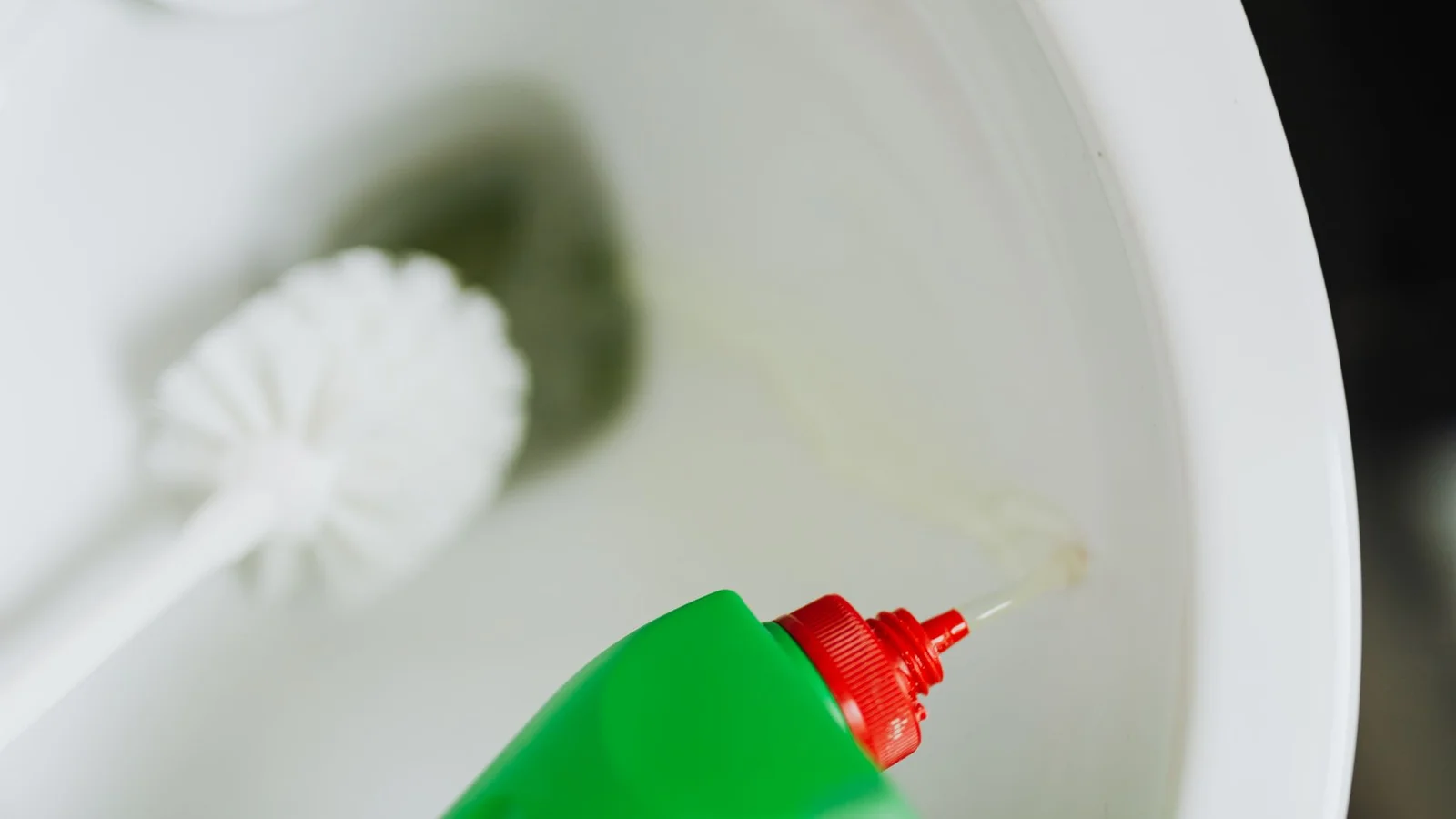
For hard-water and lime stains, white vinegar is a reliable starting point. Pour a generous amount into the bowl, and for the ring at the waterline, soak paper towels in vinegar and press them against the stain so the acid stays in contact rather than running off. Let it sit for several hours or overnight, then scrub with a toilet brush or a pumice stone made for porcelain. A pumice stone is remarkably effective on tough deposits and, used wet, will not scratch the bowl, though you should test gently first.
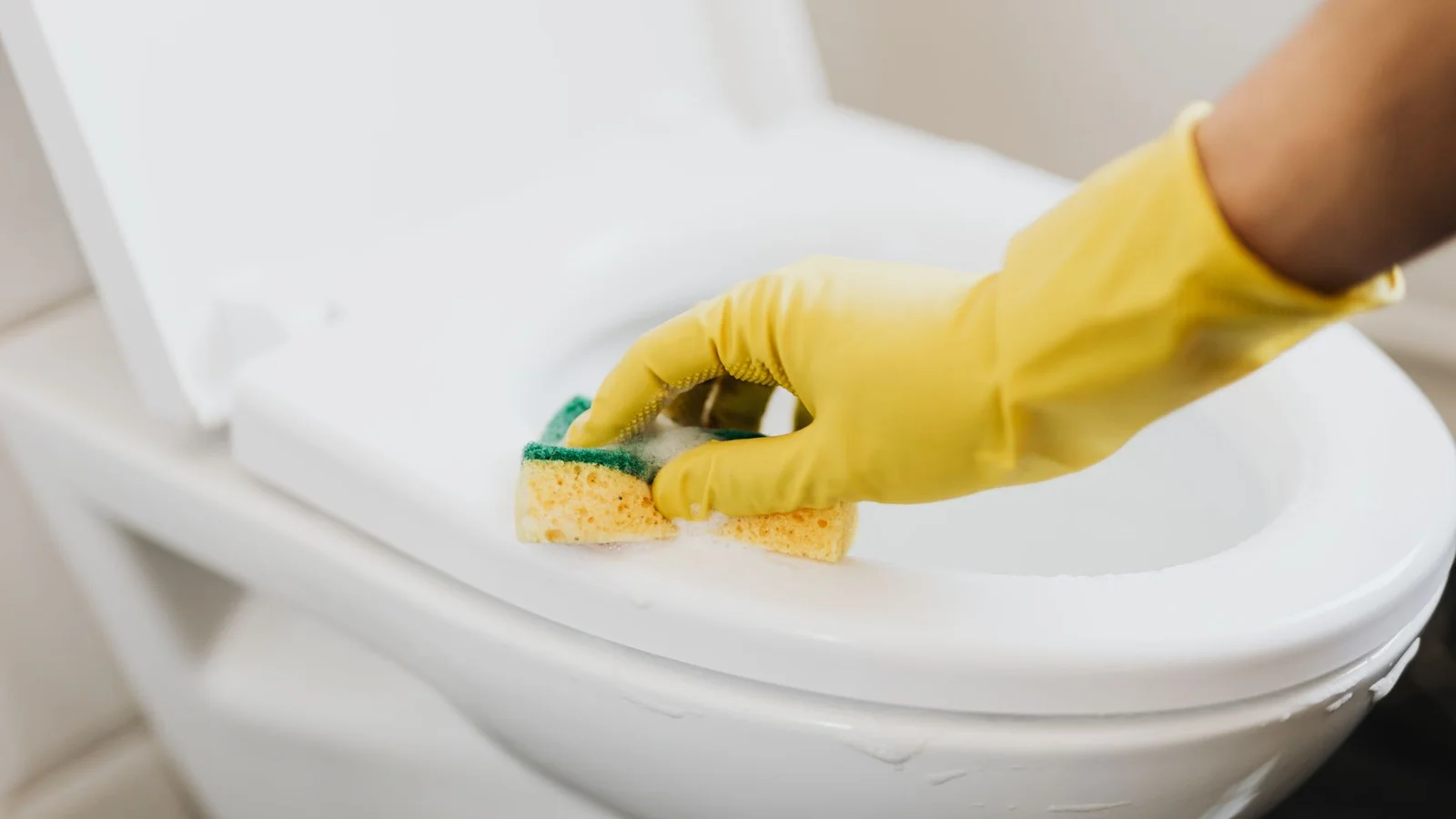
Rust stains, which show up as orange or brown streaks, need an acid that targets rust specifically. A cleaner formulated for rust and mineral stains, or a paste of borax and lemon juice left to sit, breaks down the iron deposits. Avoid the instinct to reach for chlorine bleach on rust, because bleach can actually set rust stains and make them harder to remove. Always ventilate the room and never mix an acid cleaner with bleach, as the combination releases dangerous fumes.
Moving Out Soon?
Get our free room-by-room move-out checklist and keep your deposit.
See the Checklist →For the most stubborn buildup, lower the water level first so the stain is exposed and the cleaner is not diluted: turn off the supply valve, flush to empty most of the bowl, and apply your cleaner directly to the dry stain. Let it dwell, then scrub. Repeat if needed, since deep deposits sometimes take more than one treatment. Once the bowl is clear, regular cleaning keeps deposits from rebuilding, and a sparkling toilet is one of the most noticeable things a landlord looks for in a move-out inspection.
Why Some Stains Need a Different Approach
Toilet bowl stains fall into two families, and treating them the wrong way wastes effort. Brown and orange rings are usually mineral and rust deposits that respond to a pumice stone or an acidic cleaner, while dark or pink discoloration is often organic and clears with a bleach-based cleaner and a soak. Matching the cleaner to the stain is what finally moves a ring that would not budge.
Whatever you use, give it time to work rather than scrubbing harder. Let the cleaner sit for several minutes so it can break the bond, then agitate with a brush. Always ventilate the bathroom and never mix bleach with acid cleaners, which produces dangerous fumes.
Keeping Stains From Coming Back
Once the ring is gone, a weekly swipe with a toilet brush prevents mineral deposits from re-bonding to the porcelain, which is far easier than removing them a second time. If your water is especially hard, a pumice stone made for toilets (not a household abrasive) can knock out ring buildup between deeper cleanings without scratching the glaze. Keeping the tank’s fill valve and flapper in good repair also helps, since a toilet that runs constantly deposits minerals faster than one that only flushes on demand.
Frequently Asked Questions
How do I remove stubborn toilet bowl stains?
A pumice stone safely removes hard mineral rings.
Will pumice scratch the bowl?
Used wet on porcelain it is safe; keep both the stone and surface wet.
Any other tips?
Let a cleaner or vinegar sit before scrubbing, and ventilate.
Related reading
- How to Remove Grease Stains From Kitchen Walls in a Rental
- How to Remove Black Mold Stains from Grout Between Floor Tiles
- How to Remove Red Wine Stains From Carpet (Step by Step)
- How to Fix a Running Toilet in Your Rental (No Plumber, No Drama)
Official guidance & resources
Want to dig deeper? These trusted, independent resources are worth a read before you start:
- HUD — Rental Assistance & Tenant Rights — Tenant rights and rental-assistance guidance by state
- USA.gov — Tenant Rights — How to handle landlord disputes and deposit issues
- EPA WaterSense — Water-efficient faucets, showerheads and fixtures
- EPA Safer Choice — EPA-certified safer cleaning products