
Clearing a Slow Bathroom Sink at the Stopper and Trap
A bathroom sink that drains slowly is one of the most common and predictable clogs, because the culprit is almost always the same: a tangle of hair bound together with soap scum, collected right where the pop-up stopper sits. Because the blockage is usually shallow, you can clear it without chemicals and often without any tools, which makes this an ideal first repair for a renter to handle alone.
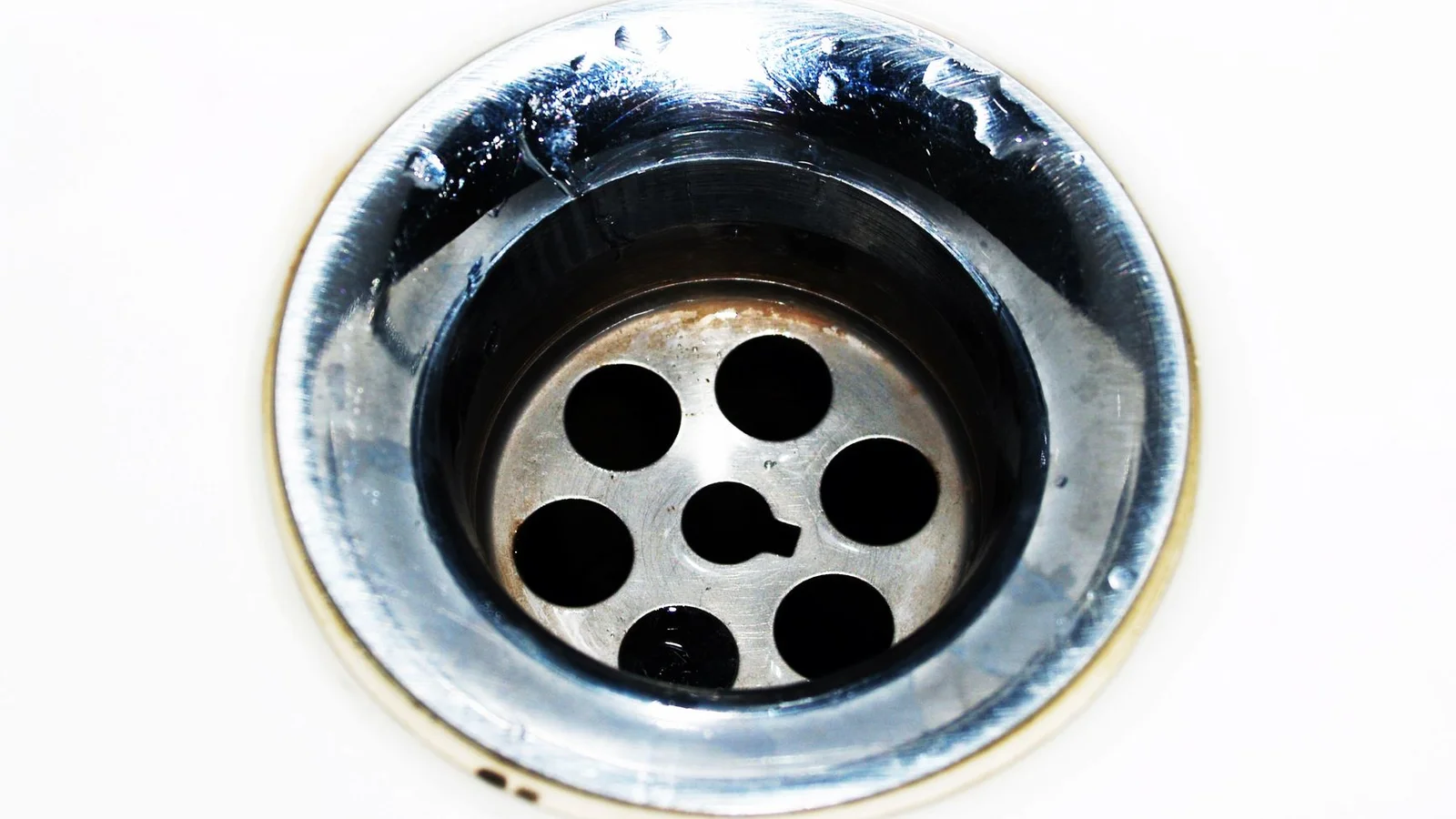
Begin with the stopper itself. The pop-up stopper in most bathroom sinks lifts out, sometimes directly and sometimes after you reach under the sink and unclip the pivot rod that holds it in place. Pull it up and you will usually find a slimy clump of hair wrapped around its base. Wipe it clean, clear away anything clinging to the drain opening, and you have removed the most common cause in under a minute.
If the sink is still slow, reach a little deeper. A flexible plastic drain strip with barbed edges, slid down past the stopper opening and pulled back up, snags hair from further down the pipe. A small plunger can also help: block the overflow hole with a wet rag, run an inch of water in the basin, and plunge over the drain to push soft clogs through. Both methods stay gentle on the pipes.
Moving Out Soon?
Get our free room-by-room move-out checklist and keep your deposit.
See the Checklist →For a clog that resists, clean the trap. Place a bucket under the curved P-trap beneath the sink, unscrew the slip nuts by hand or with pliers, and remove the trap to clear out whatever has accumulated inside, which is often a surprising amount of gunk. Rinse it, reassemble, and run the water. A periodic flush of baking soda followed by vinegar and hot water keeps a sink draining freely between cleanings. If water still backs up after clearing the trap, the blockage is further down the line and worth reporting to your landlord.
If a slow bathroom sink keeps recurring even after you clear the stopper and trap, the habit causing it is usually upstream of the drain itself. Hair and soap build the clog, so a simple drain screen over the opening catches hair before it ever reaches the pipe, and a periodic flush of baking soda, vinegar, and hot water keeps soap scum from accumulating. Building these small habits in means you clear the stopper far less often, and the sink that drained slowly stays running freely through the rest of your tenancy.
Preventing the Next Slow Drain
A cheap mesh hair catcher over the drain stops the buildup before it starts, and takes seconds to rinse out compared to the time spent clearing a clogged trap. Once a month, flushing the drain with a kettle of hot (not boiling, which can stress some pipe seals) water followed by a half cup of baking soda helps dissolve the soap-scum film before it hardens. Renters who do this rarely need to open the trap at all between move-ins.
Frequently Asked Questions
How do I fix a slow bathroom sink?
Remove and clean the pop-up stopper of hair and gunk.
What if it is deeper?
A drain snake clears clogs further down the pipe.
Should I use chemicals?
Avoid them on older plumbing; mechanical clearing is safer.
Related reading
- How to Fix Scuffed and Scratched Rental Floors Without Losing Your Deposit
- How to Fix a Running Toilet in Your Rental (No Plumber, No Drama)
- How to Remove Crayon or Marker From Walls Without Repainting
- How to Clean Stainless Steel Appliances Without Streaks
Official guidance & resources
Related official resources:
- HUD — Rental Assistance & Tenant Rights — Tenant rights and rental-assistance guidance by state
- USA.gov — Tenant Rights — How to handle landlord disputes and deposit issues
- EPA WaterSense — Water-efficient faucets, showerheads and fixtures