Tracking Down Low Water Pressure in an Apartment
Low water pressure is frustrating, but before assuming it is a building-wide problem out of your control, it is worth checking whether the cause is something simple and local that you can fix yourself. The first question to answer is whether the low pressure affects every fixture or just one. A single slow faucet or showerhead points to a clog in that fixture, while weak pressure throughout the apartment suggests a supply issue.
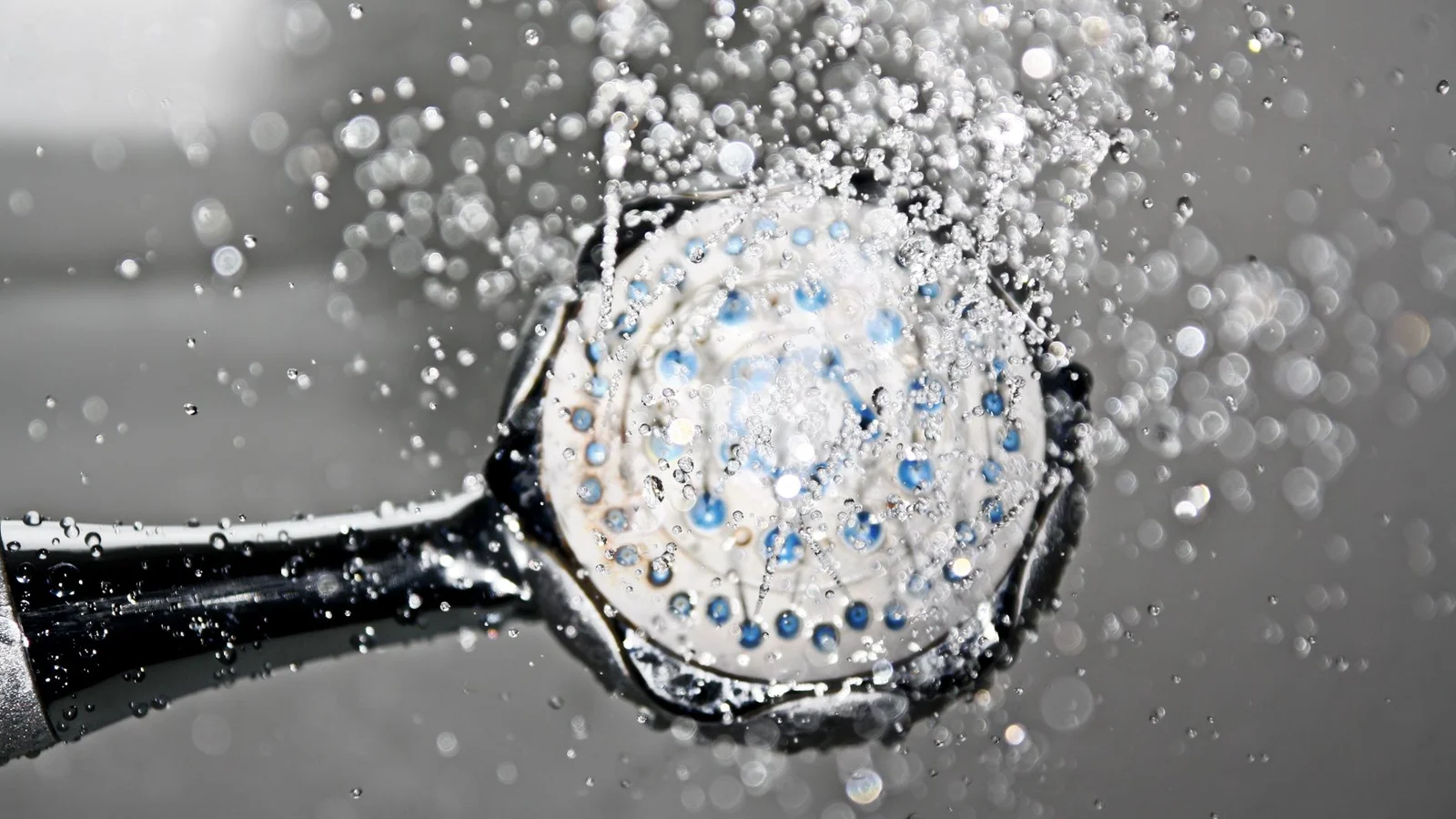
If only one faucet is weak, the aerator, the small screened tip that screws onto the spout, is the usual suspect. Mineral deposits and grit collect in its tiny screen and choke the flow. Unscrew it, rinse and brush out the debris or soak it in vinegar to dissolve scale, and reinstall it; flow often returns to full immediately. A weak showerhead responds to the same treatment: unscrew it and soak it in vinegar to clear the clogged nozzles, or wrap a bag of vinegar around it overnight if it is hard to remove.
Check the supply valves too. The shutoff valves under a sink or behind a toilet are sometimes left only partially open, which throttles the flow to that fixture. Make sure each is turned fully counterclockwise to the open position. If a fixture was recently worked on, a valve left half-closed is a common and easily missed cause of suddenly weak pressure.
Moving Out Soon?
Get our free room-by-room move-out checklist and keep your deposit.
See the Checklist →When pressure is low everywhere and the local fixes do not help, the cause is likely beyond your apartment, in the building’s plumbing, a pressure regulator, or the municipal supply, and that is your landlord’s responsibility to investigate. Note whether the problem is constant or only happens at certain times of day, since pressure that drops during peak usage hours points to a building or supply limitation. Reporting it with these details helps your landlord diagnose it faster, and rules out the simple fixture clogs you have already cleared.
Narrow Down the Cause Before You Report It
Low water pressure has a few renter-fixable causes worth ruling out before you flag it as a building problem. If only one fixture is weak, the culprit is almost always a clogged aerator or showerhead screen that vinegar will clear. If the hot side alone is slow, sediment in the water heater may be the issue.
Pressure that drops across the whole apartment, on both hot and cold, points to something beyond your unit, like a partially closed main valve or a building-wide supply issue. That is the landlord’s to investigate, so report it in writing with the specifics you found. Telling them which fixtures are affected speeds up the right repair.
Ruling Out a Building-Wide Issue
Before assuming the problem is isolated to your unit, ask a neighbor on the same floor whether their pressure has also dropped, since a building-wide issue points to the water main or a shared shutoff valve rather than anything inside your apartment. If it’s just your unit, check that the main shutoff valve under the sink or near the water heater is fully open, as a partially closed valve from previous work is a common and easy-to-miss cause. Sudden, isolated low pressure that comes with discolored water is worth reporting immediately, since it can signal a pipe issue upstream.
Frequently Asked Questions
Why is my water pressure low?
Often mineral buildup in the aerator or showerhead.
How do I fix it?
Clean or soak the aerator and showerhead in vinegar.
What if the whole unit is affected?
Report building-wide low pressure to your landlord.
Related reading
- How to Document Your Apartment Before Moving Out
- How to Deodorize a Rental Apartment Fast Before Inspection
- How to Get Smoke Smell Out of a Rental Apartment
- How to Deep Clean an Apartment Before Move-Out (Room by Room)
Helpful resources for renters
Helpful authoritative reading on this topic:
- HUD — Rental Assistance & Tenant Rights — Tenant rights and rental-assistance guidance by state
- EPA WaterSense — Water-efficient faucets, showerheads and fixtures