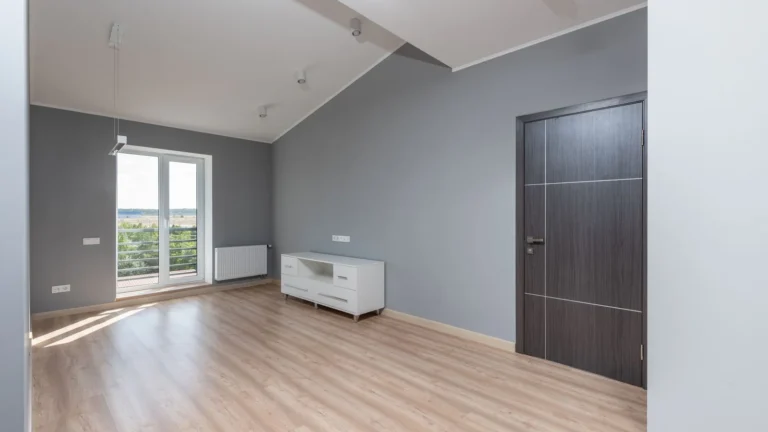
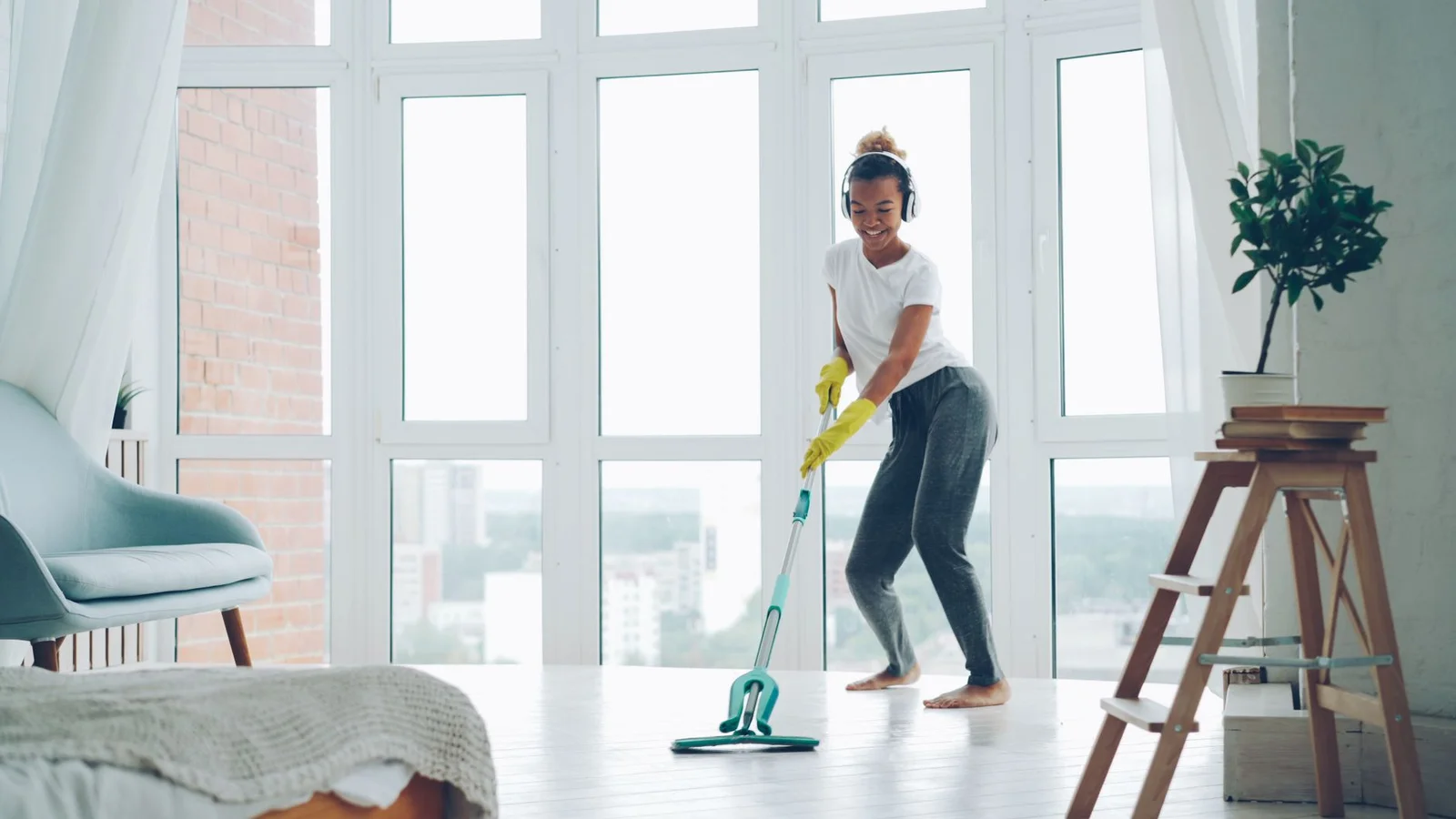
Move-out cleaning is not the same as your regular weekly routine. Landlords look in places you probably have not touched in months, and the goal is to return the unit to the condition it was in when you moved in. Prioritizing the spots inspectors actually scrutinize gets you further than spreading effort evenly across the apartment.
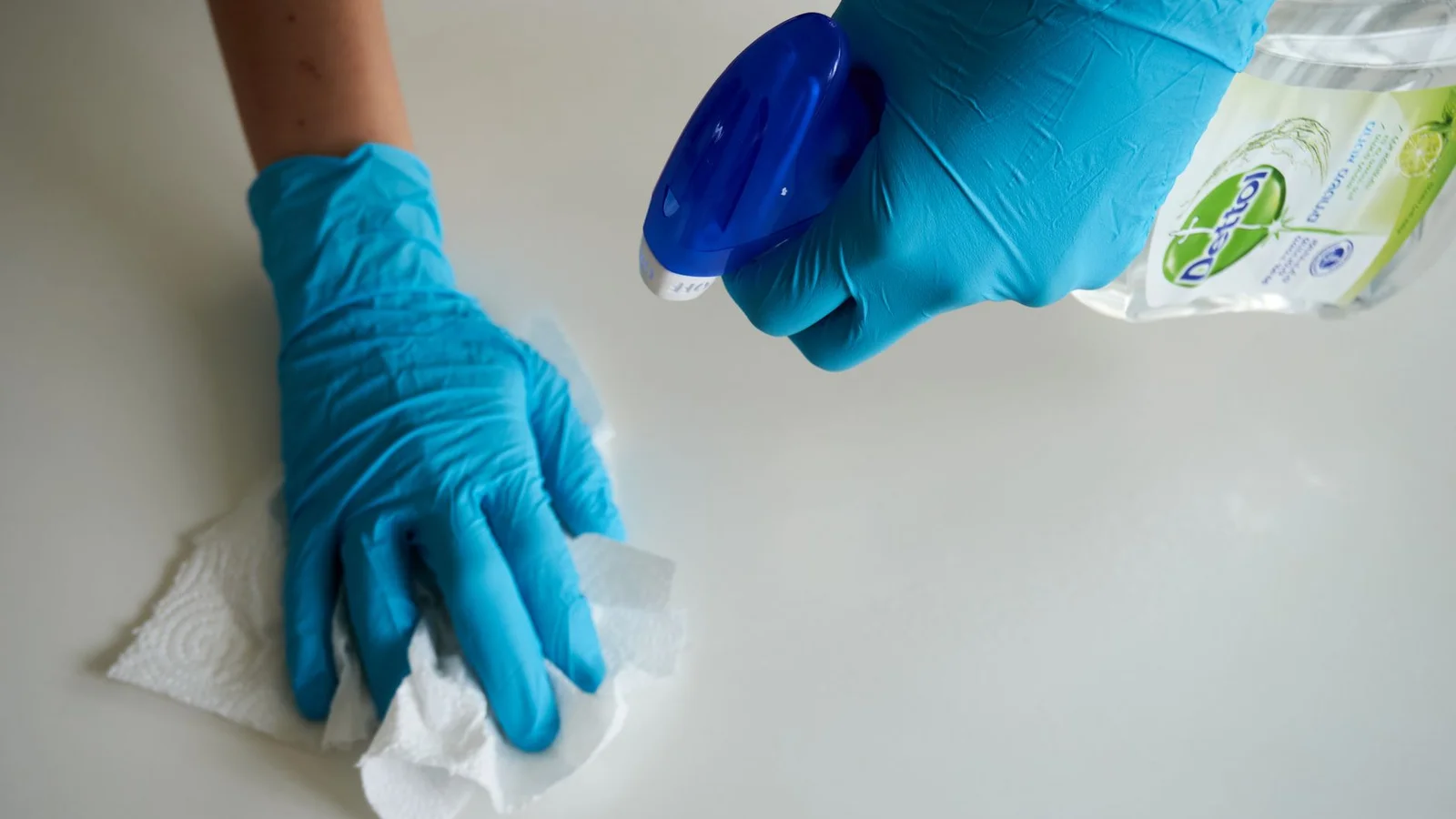
Kitchen: The Most Heavily Weighted Room
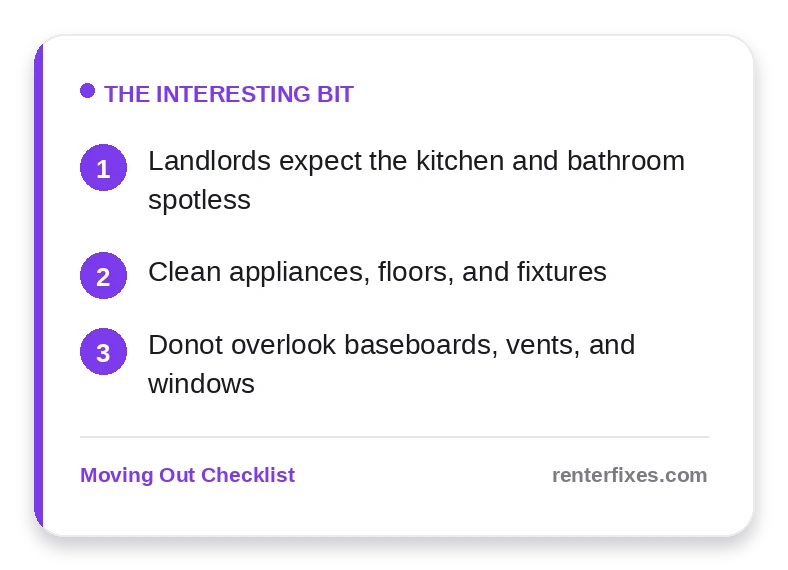
The oven interior is the single most-checked surface, since baked-on grease signals neglect immediately, so soak and clean it thoroughly, including the door glass, racks, and broiler drawer. Degrease the range hood and filter, wipe inside and outside every cabinet and drawer, and clean the refrigerator interior including crisper drawers and door seals. Finish with the dishwasher filter, countertops, backsplash, and sink basin, and get behind and under appliances that can be moved.
Moving Out Soon?
Get our free room-by-room move-out checklist and keep your deposit.
See the Checklist →Bathroom: The Second Priority
Scrub the toilet bowl, under the rim, and the base. Remove soap scum from the tub and shower walls, clean the grout lines with a brush, and check the caulk line for mold, replacing it if needed. Wipe mirrors, faucets, and handles until they shine, clean inside every cabinet, and clean the exhaust fan cover. Hard-water stains and mildew are the usual culprits, and a sparkling bathroom shapes the overall impression of how the unit was kept.
Every Room and the Details Renters Miss
Wipe baseboards, window sills, tracks, and blinds in every room. Wipe light switch plates and outlet covers, clean ceiling fan blades, vacuum carpet edges and corners, and mop hard floors. Landlords also commonly check the inside of the microwave, under sink cabinets, the in-unit laundry area, the front door interior, and any patio or balcony — small spots that are easy to skip but quick to fix.
Work in the Right Order
Move top to bottom in each room and do floors last. Let the oven, tub, and toilet soak with cleaner while you handle drier tasks elsewhere, so dwell time does the heavy lifting. Once you think you are done, walk every room a second time in daylight and run a finger test on baseboards and window tracks the way an inspector will — that verification lap is what catches the spots you missed the first time through.
Get the right products for a deep move-out clean: move-out cleaning kit on Amazon.
More help: Moving Out Checklist guides
Stage Your Supplies Before You Start
Keep a few products staged so you are not interrupting the clean to run to the store. A degreaser for the kitchen, a mild abrasive like baking soda, white vinegar, a bathroom and grout cleaner, microfiber cloths, a scrub brush, an old toothbrush, and a melamine eraser for scuffs cover nearly every surface in the apartment. Having them ready turns the checklist into one continuous push rather than a series of stalls waiting on a supply run.
Do a Second Pass Before You Call It Done
Once you think you are finished, walk each room again with fresh eyes, ideally in daylight, and run the same finger-test on baseboards and window tracks that an inspector will use. Open the oven and refrigerator one more time, confirm no cabinet was skipped, and check that the floors were genuinely the last thing touched. This second pass is exactly the difference between a clean that looks good to you after hours of work and one that holds up to someone inspecting it critically an hour later.
Frequently Asked Questions
What do landlords want spotless?
The kitchen and bathroom, plus appliances, floors, and fixtures.
What is commonly missed?
Baseboards, vents, and window tracks.
Does cleaning affect my deposit?
Yes, cleaning charges are a common deduction.
Related reading
- How to Hire a Move-Out Cleaning Service (And What It Costs)
- What Landlords Actually Look For During Move-Out Inspections
- The Ultimate Renter Move-Out Checklist (Room by Room)
- Rental Wall Repair Checklist: Everything to Fix Before Move-Out
Sources & further reading
Helpful authoritative reading on this topic:
- USA.gov — Tenant Rights — How to handle landlord disputes and deposit issues
- EPA Safer Choice — EPA-certified safer cleaning products