Move-out photos only protect you if they are taken in a way that leaves no room for dispute. A few deliberate habits separate evidence that wins a deposit argument from a random handful of pictures that prove nothing, so think like someone building a case rather than someone snapping memories.

Timing and Settings
Take the photos on your last day, after all your belongings are out and cleaning is complete, so they show the true final condition. Make sure location services and auto-timestamp are enabled in your camera app so metadata is embedded in each photo, and turn off heavy HDR processing. An empty, clean unit in your photos is far more persuasive than images cluttered with boxes.
Moving Out Soon?
Get our free room-by-room move-out checklist and keep your deposit.
See the Checklist →Light Everything and Shoot Systematically
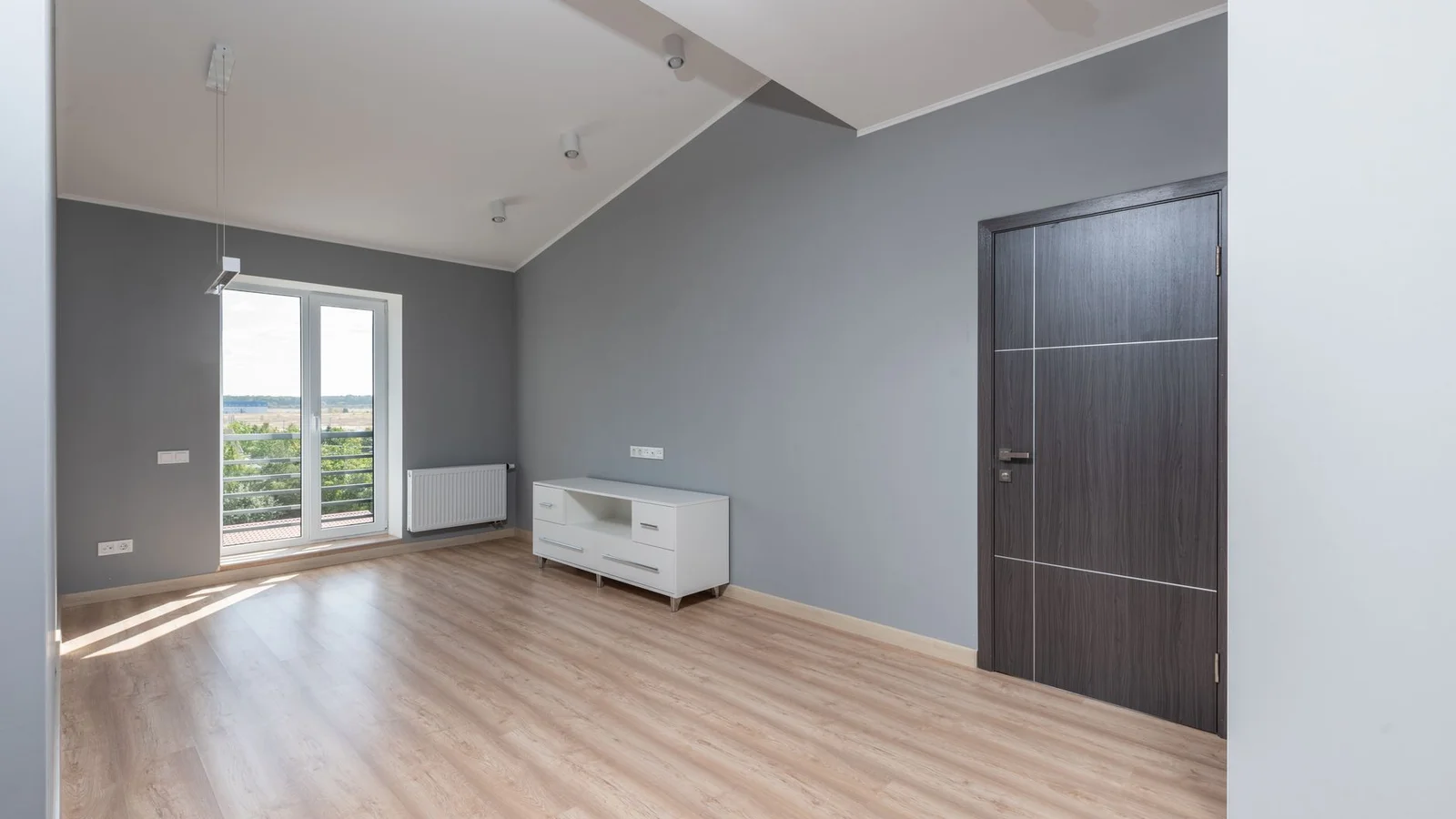
Turn on every light in the room and open blinds and curtains; use a flashlight for dark corners, closets, and under-sink cabinets. Go room by room: a wide shot to establish overall condition, then close-ups of anything that could be questioned — walls, floors, fixtures, and high-scrutiny spots like the oven interior, behind the fridge, and bathroom surfaces. Photograph the things that look good, not just problems, since proving a surface was clean and undamaged is exactly what you may need later. Open every appliance and photograph the interior, and get window screens, blinds, closets, and the front door and deadbolt.
Add a Walking Video
A continuous walking video adds power that still photos lack, because it shows the whole unit in one unbroken take with context that is hard to dispute. Film slowly and steadily through every room, pausing on important areas, and narrate the date and condition as you go.
Back Up Immediately and Organize
Email all photos and video to yourself right away, which creates an independent timestamp via the email server, then upload to cloud storage as a second backup. Do not edit, filter, or alter anything — courts and landlords treat unedited originals as more credible. Create a folder labeled with the property address and move-out date, organized by room, and keep it with your move-in photos so the before-and-after sits side by side. If a dispute arises months later, you want to be able to pull up exactly what you need in minutes.
A clip-on light or portable LED makes apartment documentation much easier: portable lighting tools on Amazon.
More help: Moving Out Checklist guides
Avoid the Mistakes That Weaken Your Evidence
Blurry, poorly lit, or too-distant shots prove little, so use good lighting, hold the camera steady, and get close enough that detail is visible. Do not photograph only the problems; capturing clean, undamaged surfaces is often what you need later to disprove a claim. And do not shoot everything from the doorway, since corners, closets, behind appliances, and low baseboards are exactly the areas that get disputed.
Think About How the Photos Get Used Later
Months from now, when memories have faded, the photo set is all that remains, so organize by room as you shoot and keep everything in the same place as your move-in photos. A wrongful deduction is often reversed simply because the tenant can produce a clear, dated, organized set of images on demand, while the landlord is relying only on recollection.
Frequently Asked Questions
How do I take move-out photos that protect me?
Photograph every room and any pre-existing flaws clearly.
What makes good photos?
Well-lit, timestamped, close-up images.
How long do I keep them?
Until your deposit has been returned in full.
Related reading
- What Landlords Actually Look For During Move-Out Inspections
- How to Hire a Move-Out Cleaning Service (And What It Costs)
- Renter Move-Out Mistakes That Cost You Your Deposit
- The Renter’s 30-Day Move-Out Countdown Plan
Further reading
Want to dig deeper? These trusted, independent resources are worth a read before you start:
- HUD — Rental Assistance & Tenant Rights — Tenant rights and rental-assistance guidance by state