Tracing Why a Dishwasher Won’t Drain
Standing water in the bottom of a dishwasher after a cycle means something is blocking the path the water takes on its way out, and the blockage is usually in one of a few accessible spots. Before you start, turn the dishwasher off and lay towels down, because you will be scooping or sponging out the dirty water that has collected. Bail out as much standing water as you can so you can work without it sloshing everywhere.
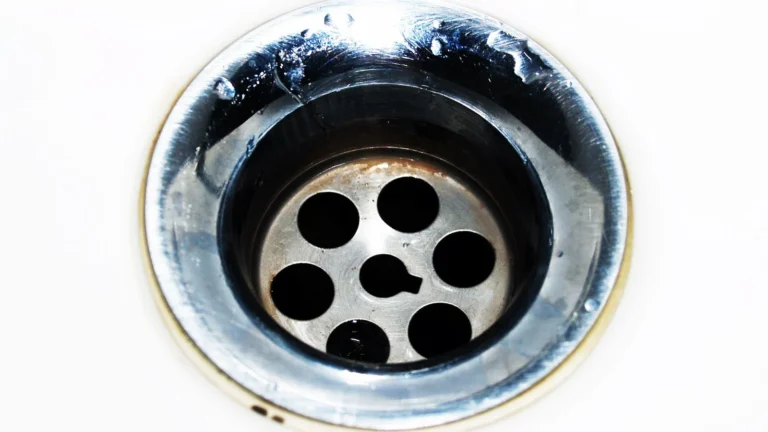
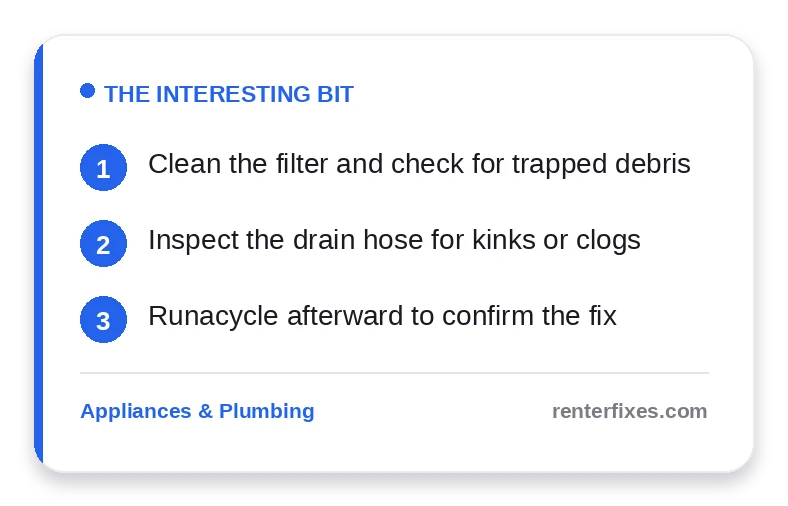
The first and most common culprit is the filter at the bottom of the tub. Many dishwashers have a removable cylindrical or flat filter under the lower spray arm that traps food debris, and when it clogs, water cannot drain. Twist or lift it out, clear away the trapped gunk, rinse it under the tap, and reseat it. This single step resolves a large share of drainage problems and should be cleaned periodically as routine maintenance anyway.
If the filter is clean, follow the water’s exit path. The drain hose can kink or clog, and where it connects to the garbage disposal there is often a knockout plug that must be removed during installation; a disposal that was recently replaced may still have that plug blocking the line. The air gap, the small cylinder on the countertop next to the faucet if your kitchen has one, can also clog with debris and stop drainage; pop its cap and clean it out.
Moving Out Soon?
Get our free room-by-room move-out checklist and keep your deposit.
See the Checklist →A few other checks round things out. Run the garbage disposal if the dishwasher drains into it, since a full or clogged disposal backs water up into the dishwasher. Confirm you are using dishwasher detergent rather than dish soap, as suds from the wrong product can interfere with draining. If the filter, hose, air gap, and disposal are all clear and water still pools, the drain pump may have failed, which is a repair to report to your landlord rather than attempt yourself.
Work the checks in order of likelihood and you will solve most cases without tools. Filter first, then the drain hose for kinks and the disposal connection, then the air gap if your kitchen has one. Confirm you are using dishwasher detergent rather than dish soap, since suds from the wrong product interfere with draining. Only after all of those are clear and water still pools should you suspect the drain pump, which is a repair to report to your landlord rather than attempt yourself.
The Garbage Disposal Connection Is a Common Culprit
If your dishwasher’s drain line runs through the garbage disposal, as most under-sink installations do, a clog in the disposal will back up straight into the dishwasher even if the dishwasher itself is working fine. Running the disposal for a few seconds before starting a dishwasher cycle clears this blockage more often than renters expect, especially in kitchens where the disposal doesn’t get used daily. If you don’t have a disposal, check the drain hose’s high loop or air gap fitting instead, since a kink there causes the exact same symptom.
Frequently Asked Questions
Why is my dishwasher not draining?
A clogged filter or kinked drain hose is usually the cause.
How do I fix it?
Clean the filter, clear debris, and check the hose.
When do I call maintenance?
If it still will not drain after clearing the basics.
Related reading
- Bathroom Exhaust Fan Not Working? Easy Renter Fixes
- Renter Move-Out Mistakes That Cost You Your Deposit
- The Renter’s 30-Day Move-Out Countdown Plan
- Normal Wear and Tear vs. Damage: The Renter’s Guide
Further reading
Want to dig deeper? These trusted, independent resources are worth a read before you start:
- HUD — Rental Assistance & Tenant Rights — Tenant rights and rental-assistance guidance by state
- USA.gov — Tenant Rights — How to handle landlord disputes and deposit issues
- EPA WaterSense — Water-efficient faucets, showerheads and fixtures
- ENERGY STAR — HVAC Maintenance Checklist — Keeping HVAC and filters in good shape