Furniture Dents in Carpet Are Normal Wear and Tear
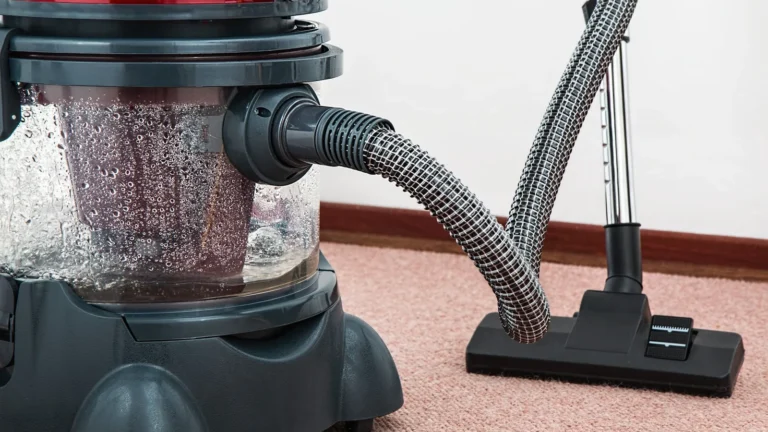
Carpet compression from heavy furniture is one of the clearest examples of normal wear and tear in rental law. A couch, bed frame, dresser, or refrigerator sitting on carpet for months or years will leave indentations in the pile fibers. These are not considered damage and most landlords do not charge for them. However, if you want to leave the apartment looking as clean and well-cared-for as possible, removing or reducing furniture dents is a straightforward process that takes minutes.
The Ice Method
The simplest and most widely effective method for removing carpet dents uses ice. Place one or two ice cubes directly into the dent and allow them to melt completely. As the ice melts and the water soaks into the compressed fibers, the carpet pile slowly begins to swell back toward its original height. Once the ice has fully melted, use a coin, a fork, or your fingers to gently lift the carpet fibers upward. Allow the area to dry completely. In most cases, the dent is significantly reduced or eliminated entirely.
Steam Method for Deeper Dents
For deeper or older dents where the ice method does not fully restore the pile, steam is more effective. Place a damp cloth over the dent and run a clothing iron set to a low steam setting over the cloth for about 30 seconds. Do not let the iron touch the carpet directly since this can melt or singe synthetic fibers. The steam relaxes the compressed fibers. Immediately after steaming, use a coin or your fingers to work the fibers back up to their original position. Allow to cool and dry before checking the result.
Moving Out Soon?
Get our free room-by-room move-out checklist and keep your deposit.
See the Checklist →What to Expect
Dents in older carpet with more permanently compressed fibers may not fully recover to original height. The improvement is typically significant enough that the dent is no longer visible from standing height, even if it is still slightly perceptible upon close inspection. This is more than adequate for a move-out inspection, where the landlord is assessing overall condition from a standing position.
Preventing Dents in Future Rentals
Furniture coasters and carpet pads placed under the legs of heavy furniture distribute the weight over a larger area and significantly reduce or eliminate carpet denting. These cost a few dollars and take seconds to install when you move into a new apartment.
Find furniture coasters and carpet pad tools to prevent and treat dents: carpet dent prevention and repair supplies on Amazon.
More help: Floors and Carpet guides
Sorting Floor Issues Into Fix, Clean, or Disclose
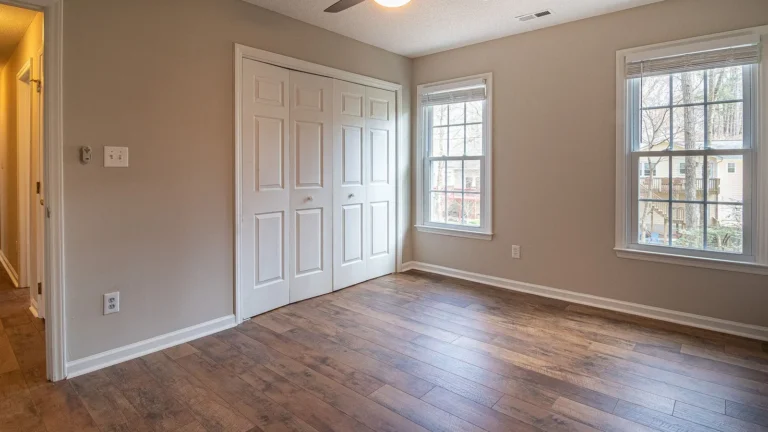
Walking your floors before move-out is easier when you sort every issue into one of three buckets: things to fix, things to simply clean, and things to disclose to your landlord. This framework keeps you from wasting effort hiding problems that are actually normal wear, and from overlooking real damage that is worth addressing before it becomes a marked-up line on your deposit statement. Start by inspecting each room’s floor in good light, noting carpet stains, scratches, dents, and any loose or damaged areas.
The fix bucket holds damage that is genuinely yours and reasonably within your ability: a carpet burn you can plug, a scratch you can fill, furniture dents you can steam out, a stain you can lift. These are the items where a few dollars of materials and an hour of work head off a contractor charge. Tackle them in an efficient pass, grouping similar repairs so you are not switching tools and products constantly.
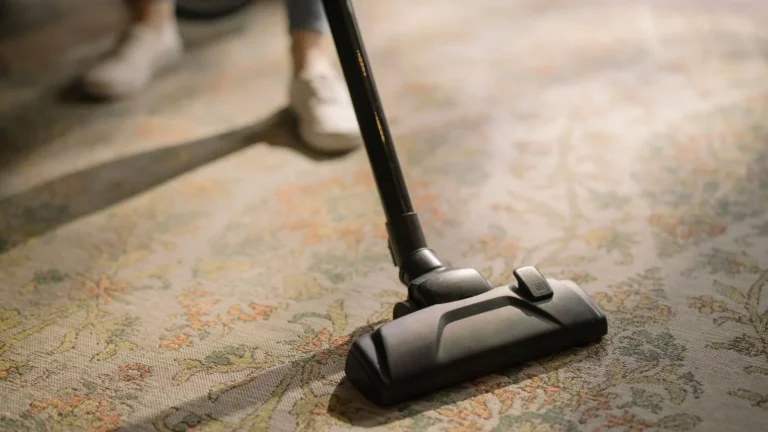
The clean bucket is larger than most renters expect. Matted traffic lanes, general dinginess, and light surface marks often just need a thorough vacuum, a spot treatment, or a baking-soda freshening to look cared for. Much of what reads as damage at a glance is really just a floor that needs cleaning, and restoring an even, clean appearance shapes a landlord’s overall impression more than any single repair.
The disclose bucket is for damage beyond a reasonable DIY fix, or for anything you suspect is a building issue rather than your doing, like water damage, a structural crack, or mold that keeps returning. Raising these with your landlord before the walkthrough, ideally with your move-in photos in hand, lets you separate pre-existing conditions and normal wear from anything you truly owe for, and often leads to a fairer, smaller deduction than a problem discovered after you have gone. A clear-eyed sort beats both denial and panic.
Sort Floor Issues Into Fix, Disclose, or Leave
Not every floor flaw is yours to repair, so the first move at move-out is to sort them. Things you caused and can fix, like furniture dents, light scratches, and removable stains, are worth handling yourself before the walkthrough. Pre-existing wear documented in your move-in photos should simply be left and pointed to, not repaired on your dime.
The middle category is damage you caused that is beyond a clean DIY fix, such as a deep gouge or a cracked tile. Disclose those rather than hide them, and offer a fair contribution if asked, since an honest conversation usually costs less than a marked-up deduction. Knowing which bucket each issue falls into keeps you from paying for wear that was never your responsibility.
Frequently Asked Questions
What floor issues should I fix before move-out?
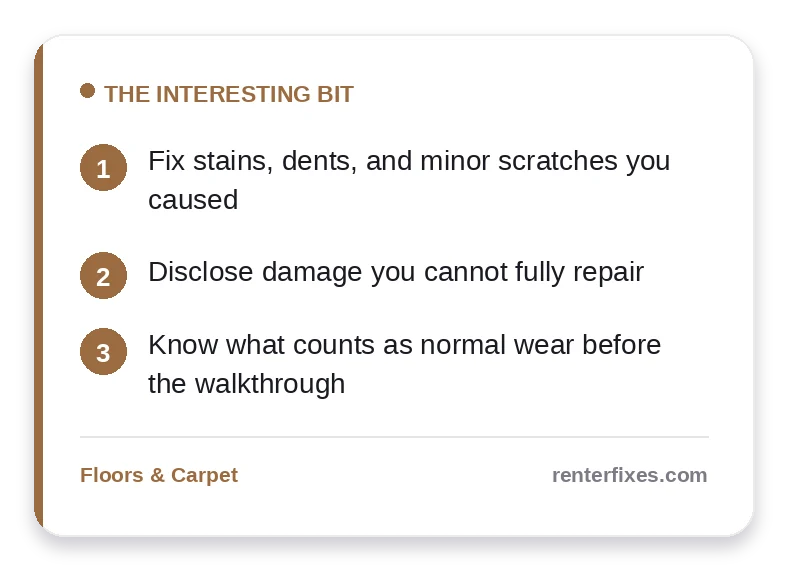
Stains, dents, and minor scratches you caused.
What if I cannot fix something?
Disclose it rather than hide it.
How do I avoid unfair charges?
Know what counts as normal wear before the walkthrough.
Related reading
- What to Do With Furniture Damage You Caused in a Rental
- Laminate Floor Scratches: How to Fix Them in a Rental
- Vinyl Plank Floor Damage: What Renters Need to Know
- Rental Wall Repair Checklist: Everything to Fix Before Move-Out
Official guidance & resources
Want to dig deeper? These trusted, independent resources are worth a read before you start:
- USA.gov — Tenant Rights — How to handle landlord disputes and deposit issues