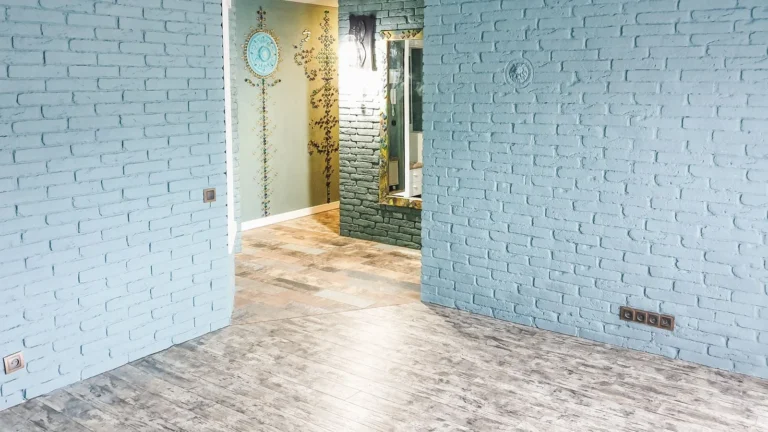
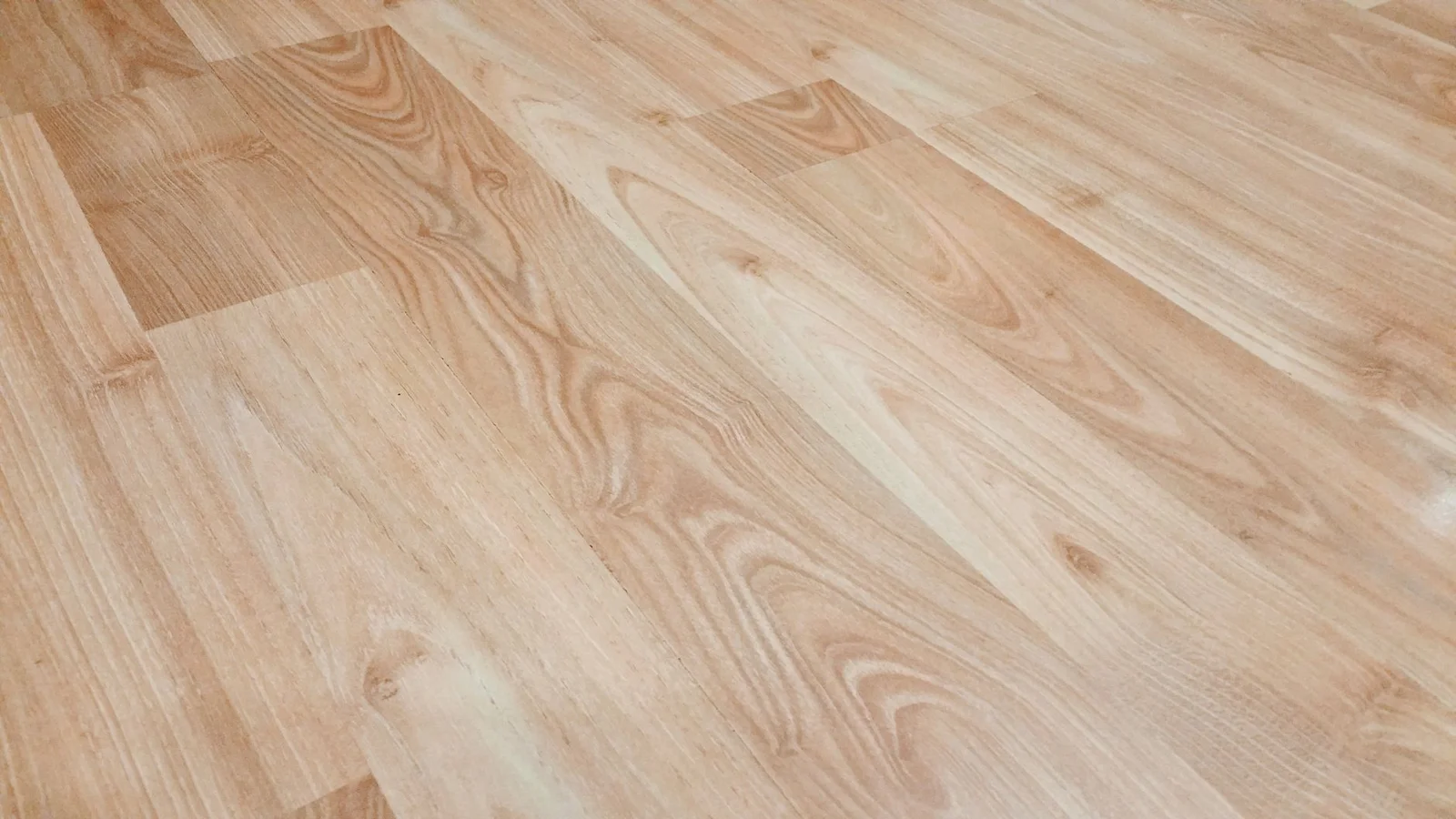
Laminate flooring cannot be sanded and refinished the way solid hardwood can, because its surface is a printed image protected by a thin wear layer, so scratch repair on laminate is all about filling and disguising rather than removing material. The good news is that the most common marks, light surface scratches and scuffs, are also the easiest to address with inexpensive products and a few minutes of work.

Know Which Type of Damage You Have
Laminate damage generally falls into three categories, and each calls for a different fix. Surface scratches and scuffs sit in the wear layer and can usually be buffed or filled. Deeper scratches and small gouges cut through the printed layer and need a color-matched filler. Peaking or lifting at the seams, where the edges of adjoining planks push up rather than sit flat, is a different problem entirely and usually points to moisture or an installation issue rather than everyday wear.
Moving Out Soon?
Get our free room-by-room move-out checklist and keep your deposit.
See the Checklist →Fixing Faint Surface Scratches
For the lightest marks, a laminate floor cleaner buffed over the area with a soft cloth can minimize the appearance considerably. A scratch-concealing polish made specifically for laminate fills micro-scratches to even out the sheen across a wider area. For a more defined single scratch, a color-matched repair marker or a wax pencil deposits pigment directly into the line; choose a shade close to your floor, apply it into the scratch, and wipe the excess from the surrounding surface so the spot does not end up darker than the plank around it.
Filling Deeper Scratches and Gouges
Laminate repair putty or a colored wax fill stick, pressed into the gouge, leveled with a plastic scraper, and buffed once set, restores a smooth surface and blends the color. Some kits include several tints you can blend together to match the wood-grain pattern of your specific floor, which makes the repair far less noticeable than a single solid color would be. Work in good light and take your time blending the tint, since a filler that is even slightly off-color is often more visible than the original scratch.
Glued-Down vs. Floating Installations
Identify whether your floor is glued down or a floating click-lock installation before you decide how far to take a repair, since it changes what is realistic. A floating floor can sometimes be partially disassembled from the nearest wall to swap out a single badly damaged plank, provided you have a matching spare, while a glued-down plank is far harder to remove cleanly without damaging the planks around it. If you have no spare planks and no way to source an exact match, a careful color-matched fill on a scratch or gouge is usually the realistic option, and genuinely significant damage may be better disclosed to your landlord than disguised with a filler that will not hold up.
Water Damage Is a Different Problem
Laminate resists everyday spills reasonably well on the surface, but water that seeps into the seams between planks can swell the core material, causing bubbling, lifting, or a soft spongy feel underfoot that no filler will fix. This kind of damage usually means the affected planks need replacing rather than repairing, and it is worth reporting to your landlord as soon as you notice it rather than waiting, since standing water left unaddressed spreads to more planks the longer it sits.
What Passes as Normal Wear
Faint scuffing from foot traffic, small scratches from moving furniture carefully, and minor fading in a sun-exposed area are typically considered ordinary wear and tear rather than chargeable damage. Deep gouges, missing chunks, cigarette burns, and any water-related swelling are the items most likely to draw a deduction, so it makes sense to concentrate your repair time on those rather than chasing every faint mark on the floor.
Preventing the Next Scratch
Felt pads under every piece of furniture, a no-shoes habit for anything with a heel or a hard sole, and lifting rather than dragging heavy items are what actually stop most laminate scratches before they start. An entry mat that catches grit before it reaches the floor helps too, since fine grit tracked in on shoes is responsible for a surprising share of the faint scratching that accumulates over a lease.
Find laminate floor repair kits and color-matched fillers: laminate repair supplies on Amazon.
More help: Floors and Carpet guides
Building a Simple Repair Kit
A laminate-specific repair kit, a few color-matched wax sticks or a repair marker close to your floor’s shade, a plastic scraper for leveling filler, and a microfiber cloth cover nearly every scratch you are likely to encounter. Bring a sample of your flooring, even a photo on your phone, when shopping for a color match, since laminate patterns vary enough between manufacturers that a “natural oak” from one brand can look noticeably different from another’s.
What This Typically Costs
A laminate repair kit with several wax fill colors and basic tools usually runs well under twenty dollars and covers an entire apartment’s worth of scratches, since most kits include far more filler than a single unit needs. Compare that to the cost of professional refinishing, which is not actually an option for laminate the way it is for solid hardwood, or to replacing an entire plank run because of one bad scratch, and a small DIY kit is by far the more economical route for anything short of serious structural damage.
When to Disclose Instead of Patch
A well-blended fill on a light-to-moderate scratch is a finished repair and does not need to be mentioned to your landlord at all. Water-damaged planks, chipped corners exposing the core layer, or damage spanning multiple planks are a different situation, and disclosing these before your walkthrough, with a description of what happened and photos, tends to lead to a more reasonable outcome than letting a landlord discover unreported swelling or missing chunks during inspection.
A Quick Test Before You Commit to a Repair
Before applying any filler to a visible area, test your chosen color on a small, hidden section of the same flooring, such as inside a closet or under where a rug normally sits. Laminate color can look different under kitchen lighting versus a north-facing bedroom window, and a five-minute test avoids the frustration of blending a fill perfectly in one room only to find it stands out under different light in another.
Renters Insurance and Flooring Damage
Standard renters insurance covers your belongings, not the landlord’s flooring, so a scratched or gouged laminate plank is generally not something your policy will pay to fix. The exception is if the damage stems from a covered event, like a burst pipe your policy’s liability coverage might address, which is different from everyday scratches or a dropped object. It is worth a quick call to your insurer if the damage was accidental and significant, but do not count on insurance as your plan for ordinary wear-related repairs.
A Final Check Before the Walkthrough
Walk the floor once in good daylight, since low evening light hides exactly the kind of shallow scratches that a walkthrough inspector will catch with a flashlight or by kneeling down. Compare anything you are unsure about to your move-in photos, and confirm any filled scratches have fully cured and are not still tacky before considering the repair finished.
Comparing Laminate to Other Rental Flooring When Damage Happens
Solid hardwood can be sanded and refinished multiple times over its life, which gives it far more forgiveness for deep damage than laminate ever will. Vinyl plank sits somewhere in between, more water-tolerant than laminate but similarly unable to be refinished. Knowing this puts laminate’s limitations in context: it is a good, affordable, water-resistant surface for daily living, but it is genuinely a fill-and-disguise material once damaged, not a repair-and-restore one, and setting expectations accordingly avoids frustration when a deep gouge does not come out as cleanly as a scratch on a hardwood floor might.
If You’re Not Sure Whether It’s Wear or Damage
When in doubt, take a photo and compare it against your move-in documentation rather than guessing. A mark that already existed is not yours to worry about regardless of how it looks now, and a mark that appeared during your tenancy but is faint and consistent with normal foot traffic is worth attempting the lightest repair option before assuming it needs a full filler treatment.
Keep the Repair Kit for Next Time
Leftover wax sticks and filler from a laminate repair kit keep well and work in a future home too, so there is little reason to toss what remains once your current scratches are handled.
A Note on Patience
Let any filler cure the full time the packaging recommends before buffing or walking on it, since a repair disturbed too early rarely sets as smoothly as one left alone.
Frequently Asked Questions
How do I fix laminate floor scratches?
Use a laminate repair marker or filler matched to the color.
Do I prep the scratch?
Yes, clean it first so the filler adheres and blends.
How do I make it invisible?
Buff lightly after filling so it matches the surrounding finish.
Related reading
- Rental Floor Damage Checklist: What to Fix vs. What to Disclose
- How to Fix Scuffed and Scratched Rental Floors Without Losing Your Deposit
- How to Fix a Running Toilet in Your Rental (No Plumber, No Drama)
- How to Patch Nail Holes So Your Landlord Never Sees Them
Helpful resources for renters
For the authoritative guidance behind this advice, see:
- HUD — Rental Assistance & Tenant Rights — Tenant rights and rental-assistance guidance by state
- USA.gov — Tenant Rights — How to handle landlord disputes and deposit issues