Hardwood Floor Scratches and Your Security Deposit
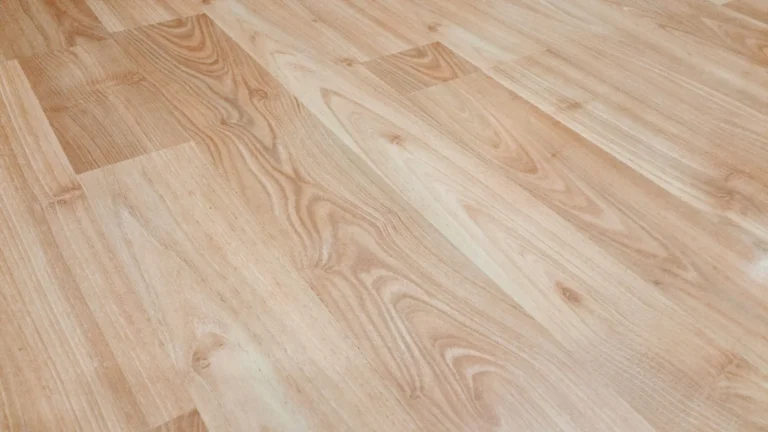
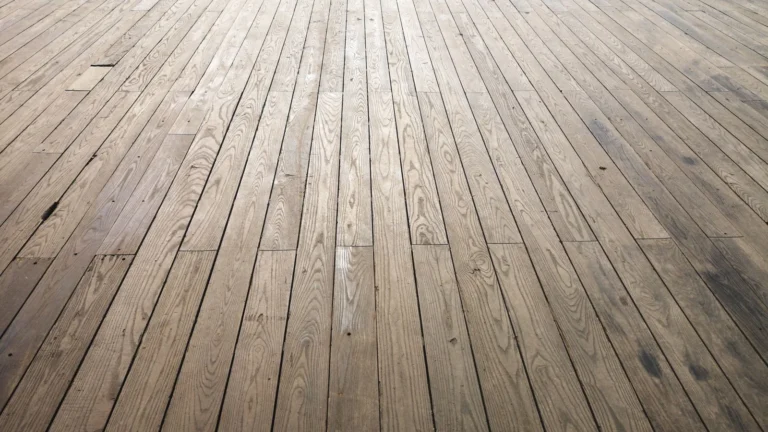
Hardwood floors are one of the most valuable features in a rental unit and one of the most sensitive surfaces to damage. Light surface scratches from everyday use are generally considered normal wear and tear and are not chargeable. Deep gouges, burns, or significant scratching from dragged furniture or pets are a different matter and can result in substantial deposit deductions. Knowing the difference, and knowing how to address scratches that fall in the chargeable category, is essential before your move-out inspection.

Light Surface Scratches
Hairline scratches in the finish layer of hardwood are extremely common after any period of normal use. These typically appear as dull lines in the finish and do not penetrate the wood itself. They can often be made less visible with a hardwood scratch repair marker or polish designed for wood floors. Apply the product per the instructions, which usually involves rubbing it into the scratch and buffing the surrounding area. These products fill the scratch with pigment that blends with the floor color and restore the sheen of the finish layer. They are available in a range of wood tones to match different floor colors.
Medium Scratches and Gouges
Scratches that penetrate through the finish into the wood itself need more than a marker. Use a wood filler or wax fill stick in a color that matches your floor. Press the filler into the scratch, smooth it flush with a credit card or putty knife, and allow it to dry. Once dry, buff the area lightly with a soft cloth. This blends the repair into the surrounding floor surface. For deeper gouges, you may need to apply the filler in two thin layers, allowing the first to dry before adding the second.
Moving Out Soon?
Get our free room-by-room move-out checklist and keep your deposit.
See the Checklist →What You Cannot Fix Yourself
Deep cuts, burns, or large areas of scratching from pet claws or heavy furniture dragging are beyond what touch-up products can address. In these cases, communicate with your landlord before move-out rather than leaving it as a surprise. A honest conversation about the damage, especially if you can show the damage was caused by something specific and are willing to cover a reasonable repair cost, is usually better than a contested deduction after inspection.
Protecting Floors During Your Final Move-Out
Use felt pads under furniture legs when sliding pieces toward the exit during move-out. Lay down cardboard or moving blankets along the path from rooms to the front door. The final move causes a significant percentage of hardwood floor scratches in rental units, so protecting the floors on move-out day is worth the small effort.
Find hardwood floor scratch repair products: hardwood floor repair supplies on Amazon.
More help: Floors and Carpet guides
Why Pet Urine Needs Enzymes, Not Just Cleaning
Pet urine is uniquely difficult to remove from carpet because it is not just a stain, it is a chemical deposit that soaks through the fibers into the backing and pad beneath. As it dries, it crystallizes into uric acid salts that ordinary cleaners cannot dissolve, which is why a spot you thought you cleaned comes back smelling the moment humidity rises. Surface scrubbing treats the visible stain while leaving the real problem buried where you cannot see it.
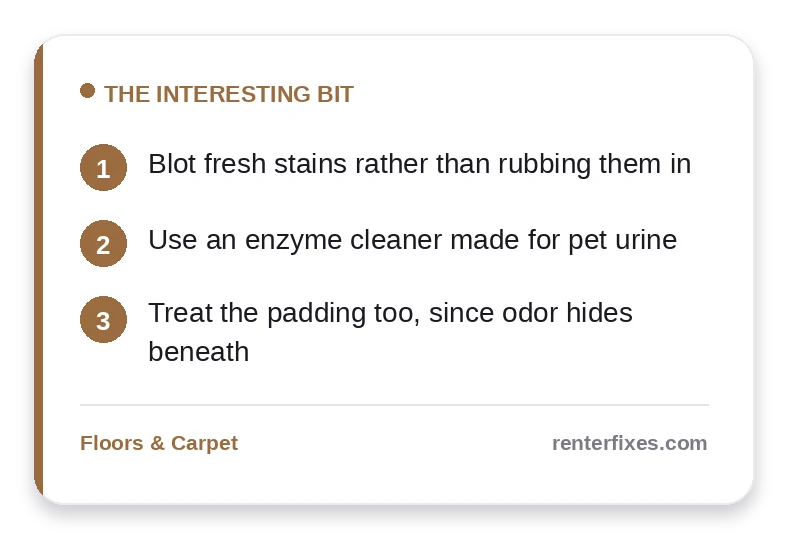
Blot a fresh accident immediately, pressing clean towels down to pull up as much liquid as possible before it sinks deeper, and resist rubbing, which spreads the urine and frays the fibers. For dried stains, the only reliable solution is an enzymatic cleaner formulated specifically for pet messes. These products contain enzymes and beneficial bacteria that break the uric acid crystals down into compounds that rinse away, eliminating both the stain and the odor at its source rather than masking it.
Application technique matters as much as the product. Saturate the spot generously so the enzyme solution reaches as deep as the urine did, not just the carpet surface. Urine penetrates the pad, so a light spritz on top never reaches the worst of it. Let the cleaner dwell for the full time on the label, often ten minutes or more, because enzymes need contact time to do their work, then blot and allow the area to air dry slowly.
Avoid steam cleaning or hot water on a urine stain before you have treated it with enzymes, because heat can set the proteins and lock the odor in permanently. Likewise, skip ammonia-based cleaners; their smell resembles urine and can actually encourage a pet to mark the same spot again. A blacklight in a dark room reveals old urine stains as glowing patches, which lets you find and treat every spot before a move-out inspection rather than missing the ones that are invisible in daylight.
Heat is the one thing to avoid until the enzymes have finished their work, and it is the most common mistake. Steam cleaning or hot water on an untreated urine stain can permanently set the proteins and lock in the odor, so always treat with the enzyme cleaner first and let it fully do its job before any heat touches the spot. A blacklight in a darkened room reveals old stains as glowing patches, which lets you find and treat every accident before a move-out inspection rather than missing the ones invisible in daylight.
Frequently Asked Questions
How do I get pet urine out of rental carpet?
Blot it up and treat with an enzyme cleaner made for pet urine.
Why an enzyme cleaner?
Enzymes break down the urine that causes lingering odor, which regular cleaners leave behind.
What about the smell underneath?
Treat the padding too, since odor often soaks beneath the surface.
Related reading
- The Best Carpet Stain Removers for Renters (Amazon Picks)
- How to Deep Clean Carpet in a Rental Without a Machine
- How to Fix Scuffed and Scratched Rental Floors Without Losing Your Deposit
- How to Fix a Running Toilet in Your Rental (No Plumber, No Drama)
Further reading
Want to dig deeper? These trusted, independent resources are worth a read before you start:
- HUD — Rental Assistance & Tenant Rights — Tenant rights and rental-assistance guidance by state
- EPA Safer Choice — EPA-certified safer cleaning products