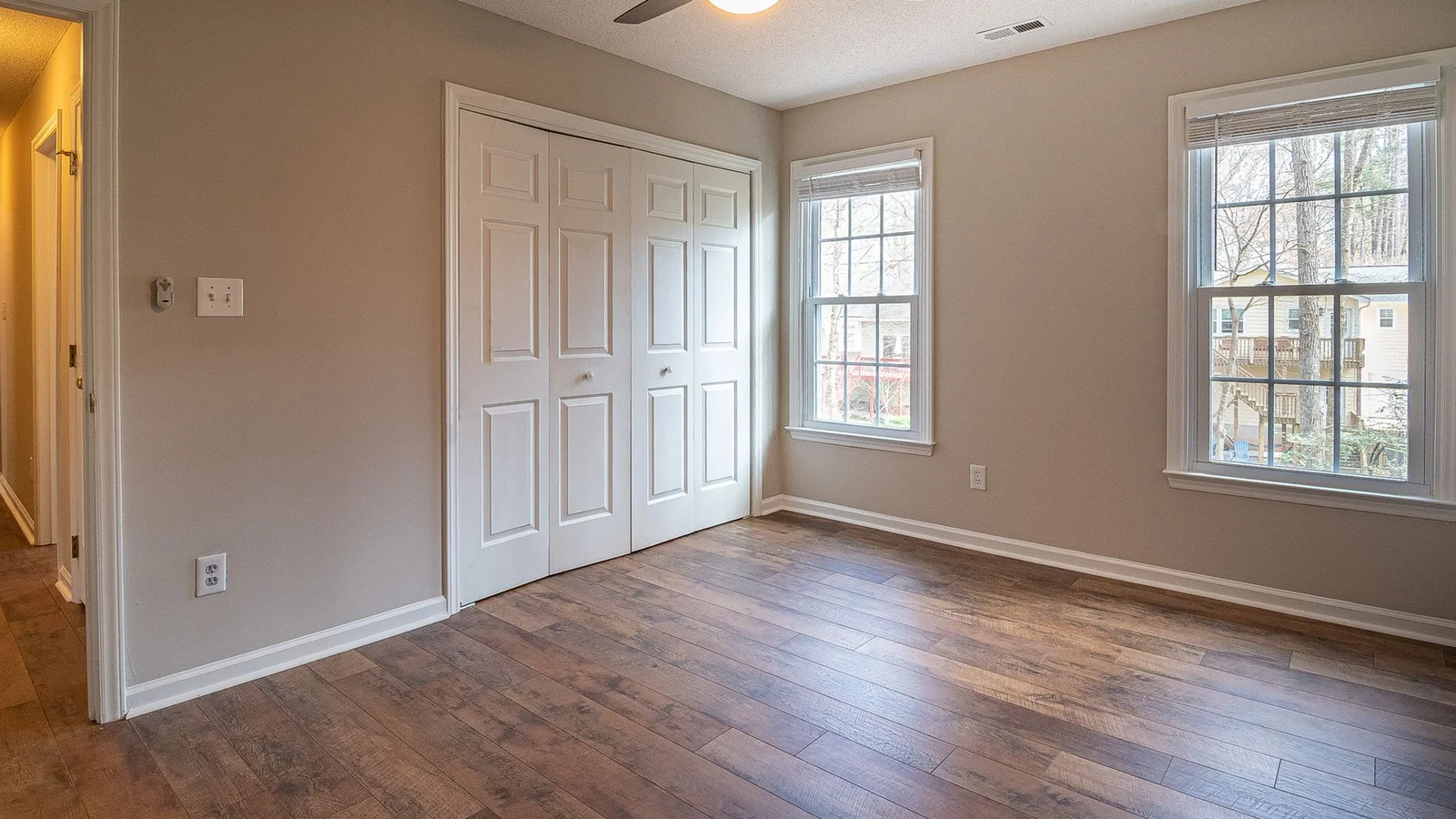
Tile Damage in a Rental: What You Are Responsible For
Chipped or cracked floor tile is a common issue in rental apartments, and responsibility depends on how the damage occurred. A tile that cracked from a heavy dropped object or damage clearly caused during your tenancy is chargeable. A tile that was cracked before you moved in (and is documented in your move-in photos) is the landlord’s responsibility. If the crack appeared during your tenancy from normal use or without an obvious cause, the situation is more ambiguous. In any case, knowing how to address minor tile damage before move-out is worth understanding.

Small Chips: Repair with Epoxy
Small chips at the edge or corner of a tile, or minor surface chips that do not penetrate through the tile body, can often be addressed with a two-part epoxy repair compound. Mix the epoxy according to the package instructions and apply it carefully to the chipped area with a toothpick or small tool. The epoxy fills the chip and cures to a hard surface. Once cured, sand lightly to smooth and touch up with a ceramic paint marker or paint in the closest matching color. For small chips, this repair is nearly invisible from standing height.
Cracked Tiles
A tile with a crack running across it is more difficult to repair invisibly. For a hairline crack that has not separated, clear epoxy or tile grout in a matching color worked into the crack can reduce its visibility. Fill the crack, wipe away the excess, and allow to cure. The crack will still be visible upon close inspection but will not draw immediate attention from a standing-distance inspection.
Moving Out Soon?
Get our free room-by-room move-out checklist and keep your deposit.
See the Checklist →Full Tile Replacement
A tile that is severely cracked, broken in multiple pieces, or has a large chip that cannot be concealed is a candidate for full replacement. Replacing a single floor tile requires removing the broken tile (carefully, to avoid damaging adjacent tiles), chipping out the old adhesive, setting a new tile with appropriate adhesive, and regroutring. This is a more involved repair but is very achievable as a DIY project for someone willing to follow the steps carefully. The new tile needs to match the original in size, thickness, and color as closely as possible.
When to Disclose Rather Than Repair
If the tile damage is significant and you are uncertain whether you caused it, consider disclosing it to your landlord before move-out and discussing responsibility. A proactive conversation about a tile issue is almost always better for the landlord-tenant relationship than having it discovered during inspection. If the damage was pre-existing and you have documentation, your move-in photos are your defense.
Find tile repair epoxy, grout, and replacement tools: tile repair supplies on Amazon.
More help: Floors and Carpet guides
Where the Line Falls Between Wear and Damage on Floors
Normal wear and tear is the deterioration that happens simply from living in a space, and on floors it is one of the most contested categories at move-out because the difference between wear and damage often comes down to cause. The guiding principle most landlords and tenant laws apply is that wear results from ordinary, everyday use over time, while damage results from negligence, accidents, or abuse. Foot-traffic patterns are wear; a wine-soaked carpet is damage.
On carpet, the things that count as normal wear include matting and flattening in walkways, light fading from sunlight, and a general thinning of the pile after years of use. A landlord generally cannot charge you to replace carpet that has simply worn out, particularly if it was already several years old when you moved in. What crosses into damage is pet urine saturation, large stains, burns, tears, and sections ripped or pulled apart, all of which stem from specific incidents rather than time.
Hard floors follow the same logic. Superficial scratches on hardwood visible only in raking light, minor scuffs, and the dulling of a finish over years are normal wear. Deep gouges that catch a fingernail, water damage that has warped or cupped boards, cracked or chipped tiles, and large scrapes from dragged furniture are damage. The presence of a clear cause that could have been avoided is usually what tips an issue from one column to the other.
Two factors protect you in any dispute: documentation and depreciation. Move-in photos establish what the floors looked like before your tenancy, so pre-existing wear cannot be pinned on you. Depreciation matters because flooring has a limited useful life; even when there is genuine damage, a landlord generally cannot bill you the full cost of brand-new carpet that replaces a floor that was already partway through its lifespan. Knowing these principles helps you push back on charges that try to make you pay for ordinary aging.
Two factors tip borderline floor issues toward wear in your favor, and both are worth invoking. The length of your tenancy raises the amount of wear a landlord should reasonably expect, so years of foot traffic on carpet is not something you owe for. And the useful-life principle means flooring depreciates: a landlord generally cannot charge you the full cost of new carpet to replace a floor that was already old, nor bill you at all for carpet that had simply reached the end of its lifespan during your stay.
Frequently Asked Questions
What is normal wear and tear on floors?
Light traffic wear, minor scuffs, and faded finish are usually normal.
What counts as damage?
Stains, burns, deep scratches, and gouges typically count as damage.
Why does it matter?
Landlords cannot charge for normal wear, so knowing the line protects you.
Related reading
- Normal Wear and Tear vs. Damage: The Renter’s Guide
- How to Fix Scuffed and Scratched Rental Floors Without Losing Your Deposit
- How to Fix Squeaky Floors in a Rental Without Lifting Boards
- Scratched Hardwood Floors in a Rental: Your Fix Options
Further reading
Related official resources:
- HUD — Rental Assistance & Tenant Rights — Tenant rights and rental-assistance guidance by state
- USA.gov — Tenant Rights — How to handle landlord disputes and deposit issues