Why Steam Cleaning Makes a Difference at Move-Out
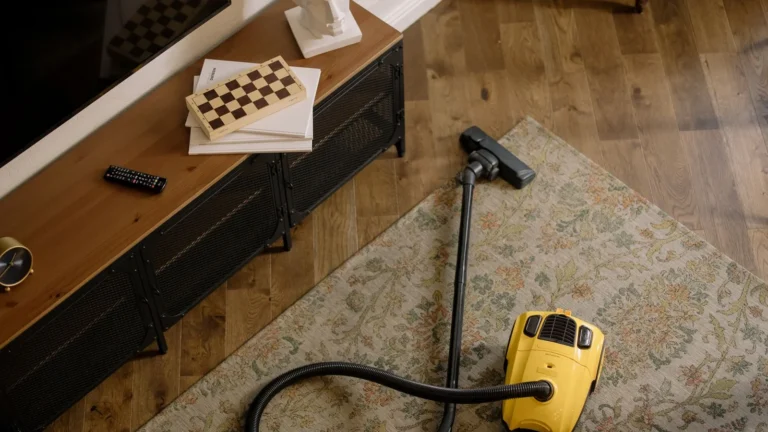
Regular vacuuming removes surface debris but does not address the ground-in dirt, dust, and odors that accumulate in carpet fibers over the life of a tenancy. Steam cleaning (also called hot water extraction) injects hot water and cleaning solution deep into the carpet pile and extracts it along with the loosened dirt. The result is a carpet that looks, smells, and feels significantly cleaner than vacuuming alone can achieve. For a move-out inspection, a steam-cleaned carpet makes a strong impression and eliminates the cleaning fee deduction that is otherwise common.
Renting vs. Hiring a Service
You have two options for steam cleaning: renting a machine yourself or hiring a professional service. Rental machines are available at most grocery stores, hardware stores, and home improvement centers for around 30 to 50 dollars per day. Professional carpet cleaning services typically cost 100 to 200 dollars for a standard apartment depending on size. Rental machines require more effort but are adequate for most residential carpets. Professional services have more powerful equipment and are a better choice if the carpet has heavy soiling or deep stains that have been sitting for a long time.
Preparing for Steam Cleaning
Remove all furniture from the areas to be cleaned. Vacuum thoroughly before running the steam cleaner so the machine is not working through loose debris. Pre-treat any visible stains with a carpet stain remover and let it dwell for 10 to 15 minutes before running the extractor over those areas. Treating stains before steam cleaning dramatically improves the result on stubborn spots.
Moving Out Soon?
Get our free room-by-room move-out checklist and keep your deposit.
See the Checklist →Operating the Machine
Fill the machine with hot water and the recommended amount of cleaning solution. Work from the far corner of the room toward the door so you are not walking back over cleaned areas. Make slow, overlapping passes with the machine. Make one forward pass with the cleaning solution engaged, then make a second backward pass with only extraction to remove as much water as possible. The drier you can get the carpet after cleaning, the faster it will dry and the less risk of mildew.
Drying Time
Plan for four to eight hours of drying time depending on the humidity level and airflow in the unit. Open windows, run fans, and turn on the HVAC system if available. Avoid walking on the carpet until it is fully dry. Do your steam cleaning at least 24 hours before your move-out inspection so the carpet has time to dry completely.
Find carpet cleaning solutions and accessories for rental machines: carpet cleaning supplies on Amazon.
More help: Floors and Carpet guides
Matching the Fix to the Depth of a Hardwood Scratch
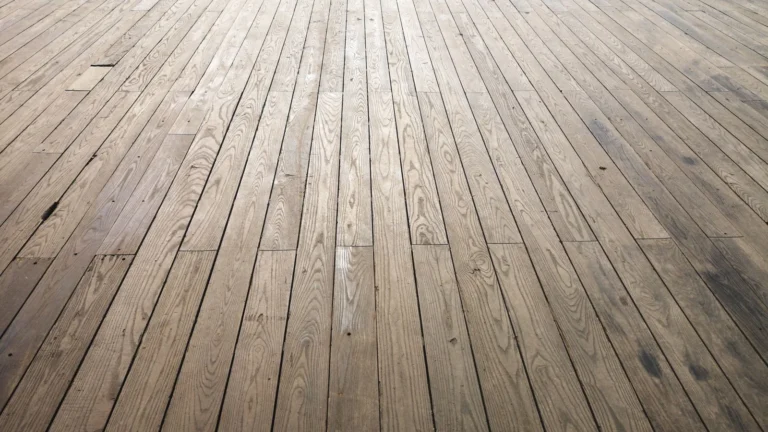
Scratches in a hardwood floor look worse than they usually are, and the right repair depends entirely on how deep the scratch goes. The quick test is to run a fingernail across it: if your nail does not catch, the scratch is only in the finish and is easy to disguise; if it catches, the scratch has reached the wood itself and needs filling as well as concealing. Knowing which you are dealing with saves you from over-working a minor mark.
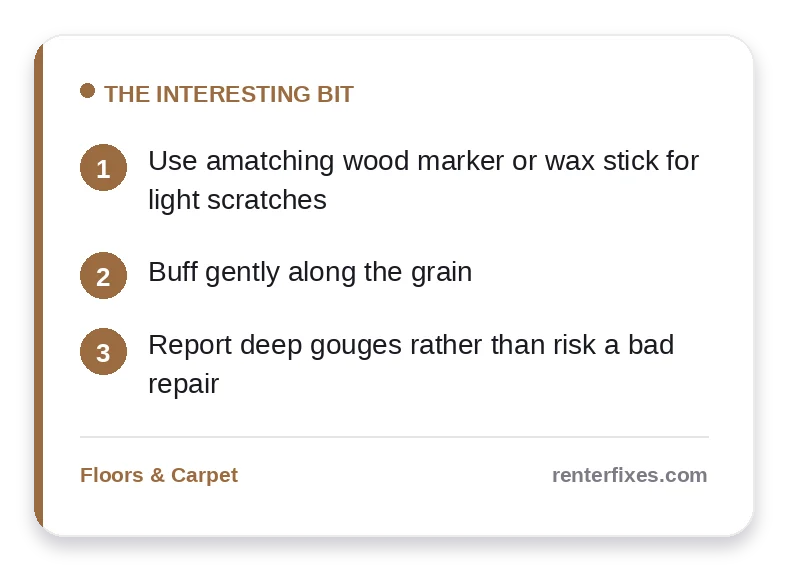
For light surface scratches that sit in the finish only, the simplest fixes are often the most effective. A wood-cleaning and conditioning product can buff out very fine scratches, and for slightly deeper finish scratches a blending pencil, a marker made for wood, or even a rubbed-in walnut can deposit color that hides the line. Work in the direction of the grain, apply sparingly, and wipe away any excess so the repaired spot does not end up darker than the boards around it.
Scratches that reach the bare wood need a filler that both colors and levels the gouge. Color-matched wax sticks or wood-filler crayons are ideal: rub the wax into the scratch, buff off the surplus, and the gouge fills level with the surface. For a slightly larger gouge, a tinted wood filler pressed in, leveled, and lightly buffed once dry restores the surface. Choosing a shade that matches your floor is the key step, and blending two shades sometimes gets you closer than a single stick.
Be cautious about anything more aggressive on a rental floor. Sanding and refinishing a whole board or area is rarely a renter’s job and risks creating a mismatched patch that looks worse than the scratch did. For widespread scratching or deep gouges, weigh a DIY touch-up against disclosing the wear to your landlord, keeping in mind that fine surface scratches on a hardwood floor that has seen years of use generally count as normal wear rather than chargeable damage.
The fingernail test is worth repeating because it prevents the most common mistake, which is over-treating a scratch that only needed a quick buff. If your nail does not catch, stay in the finish-only camp with a cleaner, conditioner, or blending pencil and resist reaching for filler you do not need. Save the wax sticks and tinted fillers for scratches your nail does catch, where the wood itself is exposed. Matching the aggressiveness of the fix to the depth of the damage keeps you from creating a darker, more obvious repair than the scratch you started with.
Frequently Asked Questions
Can I fix scratched hardwood in a rental?
Light scratches can be hidden with a matching wood marker or wax stick.
What about deep gouges?
Report deep damage rather than risk a visible bad repair.
How do I blend the fix?
Buff gently along the grain after filling.
Related reading
- How to Fix Scuffed and Scratched Rental Floors Without Losing Your Deposit
- How to Fix Squeaky Floors in a Rental Without Lifting Boards
- How to Fix a Running Toilet in Your Rental (No Plumber, No Drama)
- What to Do With Furniture Damage You Caused in a Rental
Sources & further reading
Want to dig deeper? These trusted, independent resources are worth a read before you start:
- HUD — Rental Assistance & Tenant Rights — Tenant rights and rental-assistance guidance by state
- USA.gov — Tenant Rights — How to handle landlord disputes and deposit issues