Hardwood Floor Cleaning: The Right Way
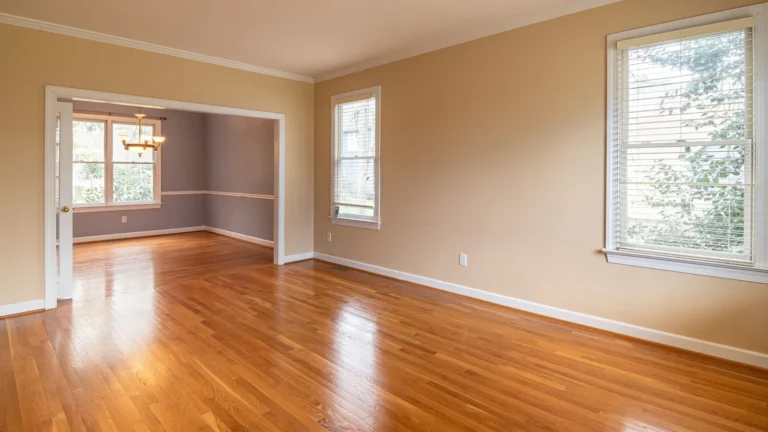
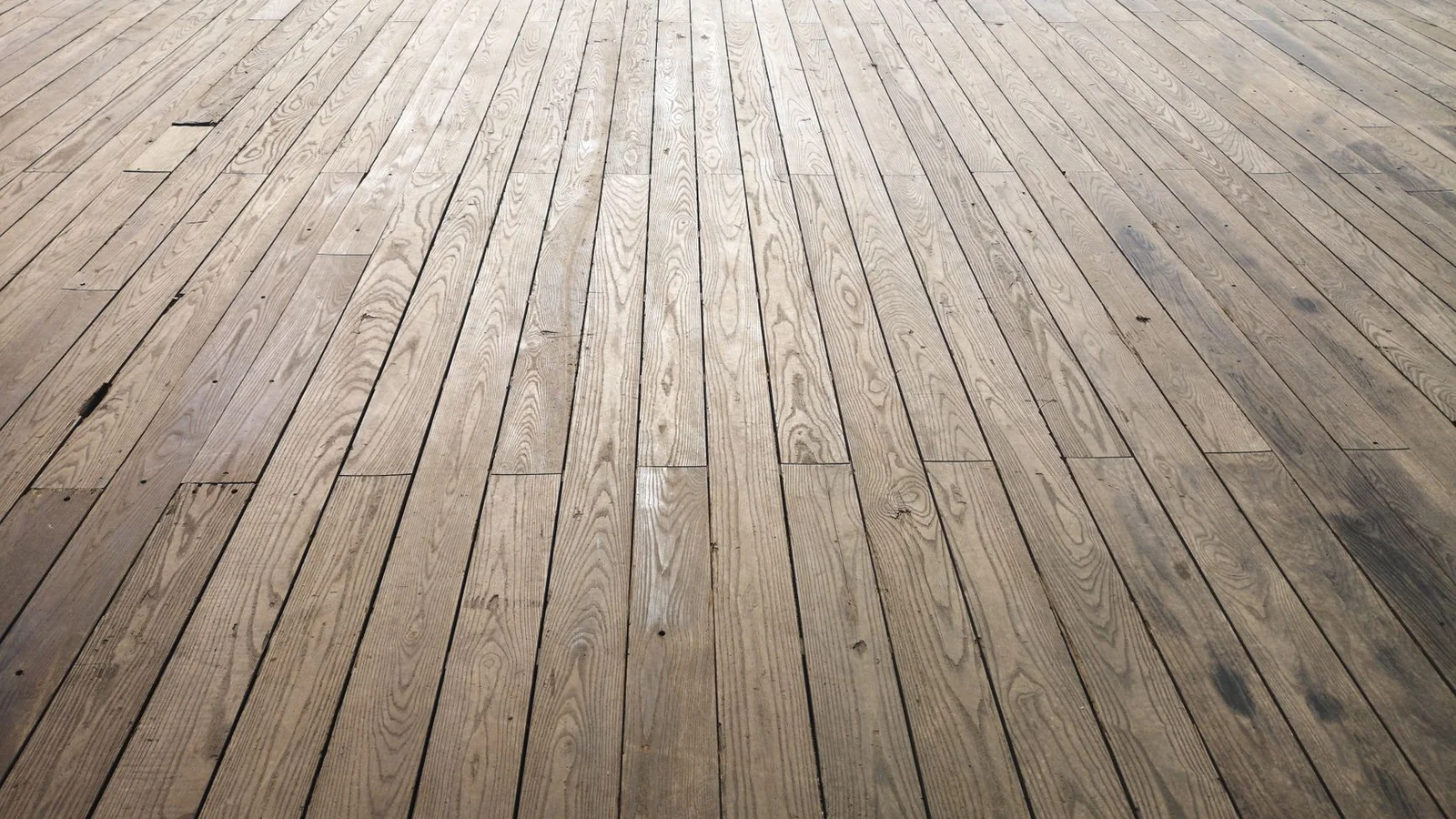
Hardwood floors add significant value to a rental unit and are expected to be in good condition at move-out. Cleaning hardwood incorrectly can cause more damage than it prevents: warping from excess water, cloudiness from the wrong products, or dullness from buildup left behind by improper cleaners. Understanding how to clean hardwood floors correctly ensures they look their best for the inspection without creating new problems in the process.

Start with Dry Cleaning
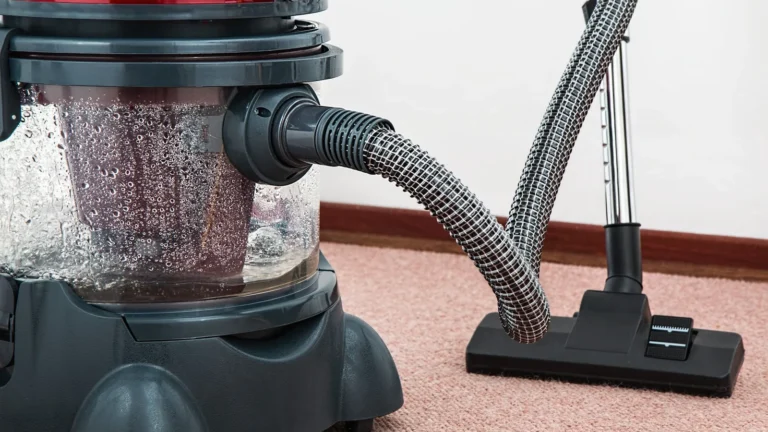
Before using any liquid on hardwood floors, thoroughly dry clean the surface. Use a soft-bristle broom or a microfiber dust mop to remove all loose dirt, dust, and debris. A vacuum on a hard floor setting (beater bar off) works well for corners and edges. Dirt left on the floor during wet mopping gets dragged around and can scratch the finish, so complete dry cleaning before any wet cleaning begins.
The Right Mopping Technique
Use a flat microfiber mop that can be well wrung out. The mop should be barely damp, not wet. Standing water on hardwood penetrates the seams between boards and causes swelling and warping over time. Work in small sections and change mop direction with the grain of the wood. Overlap each pass slightly. If the mop head starts to feel dry, dampen it again rather than trying to cover too large an area with a nearly dry mop head, which can scratch.
Moving Out Soon?
Get our free room-by-room move-out checklist and keep your deposit.
See the Checklist →What Cleaner to Use
Use a hardwood floor cleaner specifically designed for finished wood floors. These products are pH-neutral, leave no residue, and are safe for the finish layer. Avoid vinegar-based cleaners, which are often recommended online but can dull some floor finishes over time. Avoid all-purpose household cleaners, steam, and anything that leaves a wax or oil coating since these create buildup that attracts dirt and makes the floor look cloudy.
Buffing for Shine
After mopping and allowing the floor to dry, buff with a dry microfiber cloth or a clean dry mop head to restore shine and remove any light residue. This step takes two minutes but noticeably improves the final appearance. For floors that have lost their sheen due to dullness or traffic wear, a hardwood floor polish product designed to restore finish can be applied in thin coats to improve the appearance without a full refinish.
Find hardwood floor cleaner and microfiber mops: hardwood floor cleaning supplies on Amazon.
More help: Floors and Carpet guides
Quieting Squeaky Floors From Above
A squeaky floor is caused by movement: floorboards or a subfloor rubbing against each other or against the nails that hold them down, producing that telltale creak when you step on the spot. The encouraging news for renters is that many squeaks can be quieted from above, without pulling up boards or accessing the floor from below, using methods that leave no visible trace once you are done.
The first step is locating the exact source by slowly shifting your weight across the area until you pin down where the noise originates. For squeaks in a hardwood or board floor, the friction is often the issue, and a dry lubricant worked into the seams between the boards can silence it. Sprinkle powdered graphite, talcum powder, or even baby powder along the squeaky seam and work it down into the gap with a cloth; the powder reduces the friction between boards so they slide quietly instead of creaking.
If the squeak comes from the subfloor flexing under carpet, there are specialty kits designed to drive a scored screw down through the carpet into a floor joist and then snap the head off below the surface, drawing the subfloor tight without leaving a visible screw. These work well but involve driving fasteners, so for a rental it is worth confirming with your landlord before using them, since you are making a small permanent change to the floor.
For renters who would rather not alter anything, simply reducing the movement helps. A rug with a good pad over a squeaky area dampens the noise underfoot, and on the rare occasion a squeak is coming from a loose threshold or transition strip, snugging the existing screws can fix it. Most squeaks are a nuisance rather than damage, and a landlord rarely deducts for one, but a quieter floor is a courtesy to the next tenant and an easy win if the powder method does the trick.
Before driving any fasteners into a rental floor, even the hidden snap-off kind, it is worth a quick word with your landlord, since you are making a small permanent change. For renters who would rather not alter anything, the powder methods and a well-padded rug over the noisy area are entirely reversible and often enough. A squeak is almost always a nuisance rather than damage, and landlords rarely deduct for one, so the lowest-risk fix that quiets it is usually the right call.
Silence the Squeak From Above the Floor
Squeaky floors come from boards rubbing against the subfloor or each other, and renters can quiet most of them without pulling anything up. For a carpeted floor, locate the joist under the squeak and drive a specialty squeak-stop screw through the carpet into it; the head snaps off below the surface and leaves no visible mark.
On bare wood, working powdered graphite, talc, or even a little dry lubricant into the seams between boards reduces the friction that causes the noise. These are reversible, low-impact fixes that do not alter the floor permanently, which keeps you clear of damage charges while making the unit feel cared for.
Frequently Asked Questions
How do I fix squeaky floors in a rental?
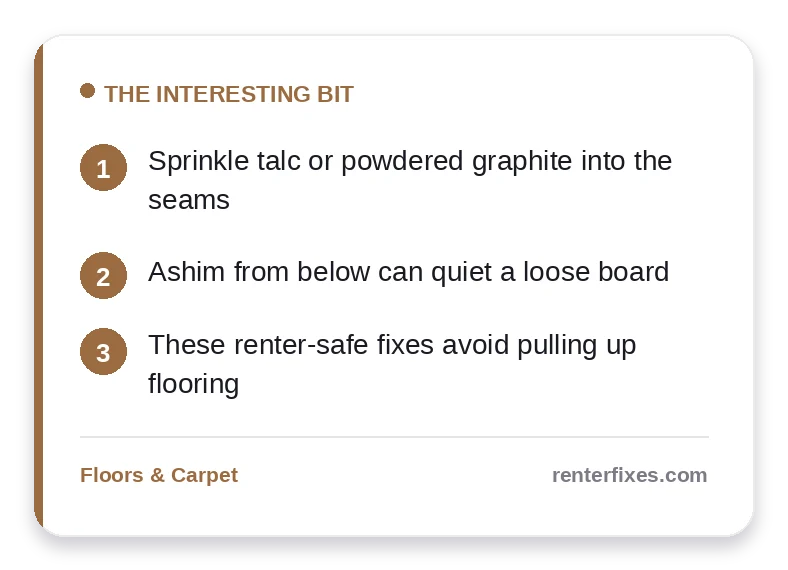
Powdered graphite or talc worked into the seams quiets many squeaks.
Can I fix it without lifting boards?
Yes, these methods avoid pulling up flooring.
What if a board is loose?
A shim from below, where accessible, can steady it.
Related reading
- How to Fix Scuffed and Scratched Rental Floors Without Losing Your Deposit
- How to Unclog a Drain in a Rental Without Chemicals
- How to Deep Clean Carpet in a Rental Without a Machine
- Scratched Hardwood Floors in a Rental: Your Fix Options
Official guidance & resources
A few reputable resources that back up the steps above:
- HUD — Rental Assistance & Tenant Rights — Tenant rights and rental-assistance guidance by state
- USA.gov — Tenant Rights — How to handle landlord disputes and deposit issues