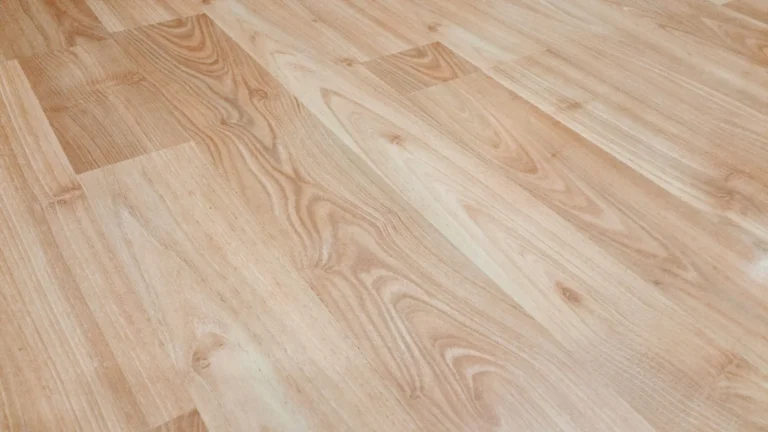
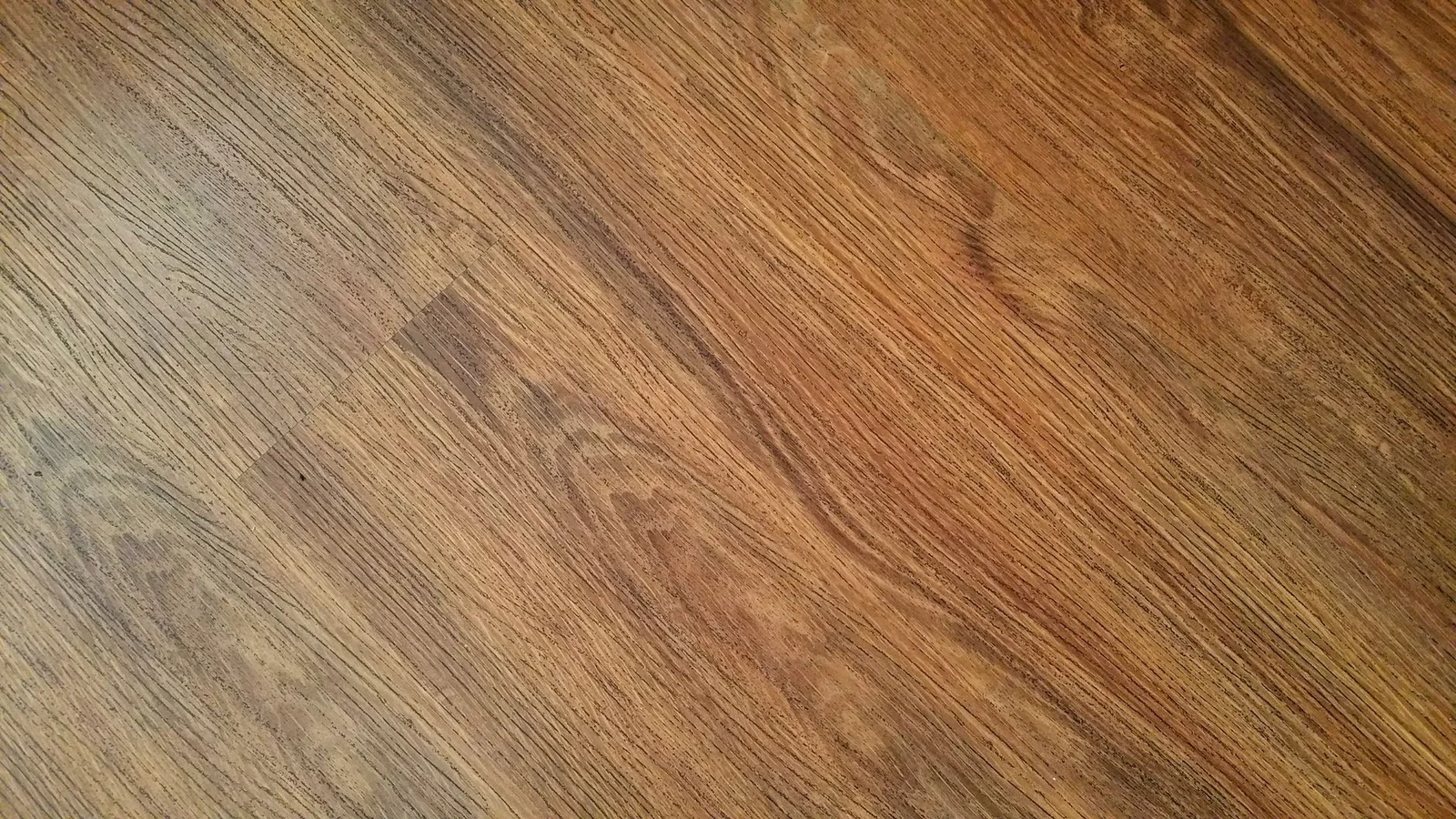
Luxury vinyl plank has become one of the most common rental flooring choices because it is durable and water-resistant, but it is not indestructible, and the damage it does take calls for a different approach than wood or tile. Knowing which type you have, glue-down or floating click-lock, shapes what repairs are realistic for a renter.
Surface Scratches
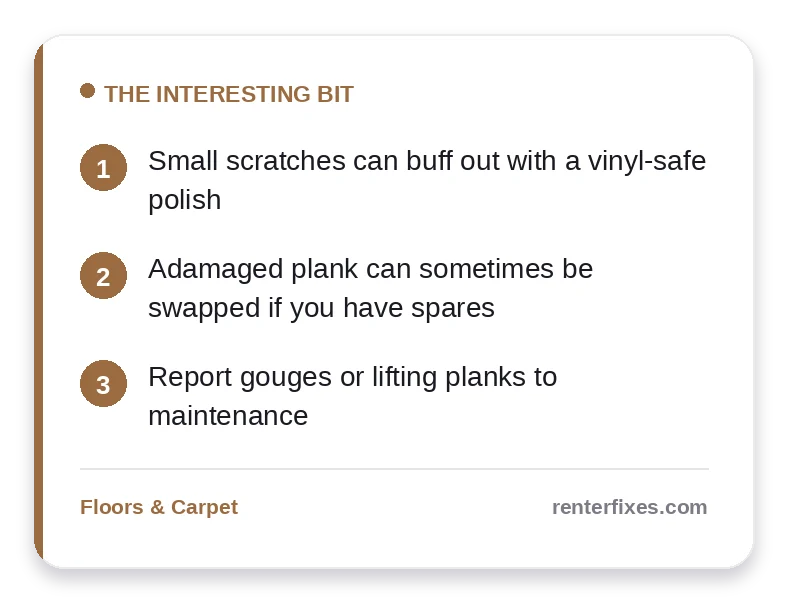
Light scratches in the wear layer can sometimes be buffed out with a vinyl-floor cleaner and a soft cloth. For more visible scratches, a vinyl repair kit with a color-matched fill compound lets you fill and blend the mark. Apply the fill sparingly, level it with the plank surface, and wipe away excess so the repair does not sit proud of the floor or read as a glossy patch.
Moving Out Soon?
Get our free room-by-room move-out checklist and keep your deposit.
See the Checklist →Dents and Gouges
Damage that goes through the printed layer is harder to hide because the pattern is part of the surface, not something you can re-stain. A repair kit can fill and tint a small gouge acceptably, but a deeply damaged plank in a floating floor can sometimes be replaced individually if you have a spare. Click-lock floors can be partially disassembled from the nearest wall to swap a single plank, though this is a careful job best attempted only if matching planks are available.
Water Is the Quiet Risk
While the surface resists spills, water that seeps into the seams of a floating floor can reach the subfloor and cause swelling or lifting, which is real damage rather than wear. Wipe spills promptly and report any persistent leaks to your landlord right away rather than waiting for them to show up at the walkthrough.
What Usually Passes as Wear
Because vinyl plank is generally tough, ordinary light scratches after normal use usually count as wear and tear. Gouges, missing chunks, and water damage are the items most likely to draw a deduction, so focus your repair effort there. If you have no spare planks and no match for a badly damaged one, a careful color-matched fill is usually the realistic option, and significant damage may be better disclosed to your landlord than disguised.
Find vinyl plank repair kits and color-matched fillers: vinyl floor repair supplies on Amazon.
More help: Floors and Carpet guides
Know Which Type You Have Before You Start
A floating click-lock floor has a visible seam pattern and often a slight give underfoot, while a glued-down floor feels completely solid with no movement at the edges. This distinction matters because a floating floor gives you an escape hatch for badly damaged planks — disassembling back to the damaged spot and swapping it — that a glued-down installation simply does not offer. Check a corner near a wall or vent to see the edge profile if you are not sure which you have.
Cleaning Habits That Prevent New Damage
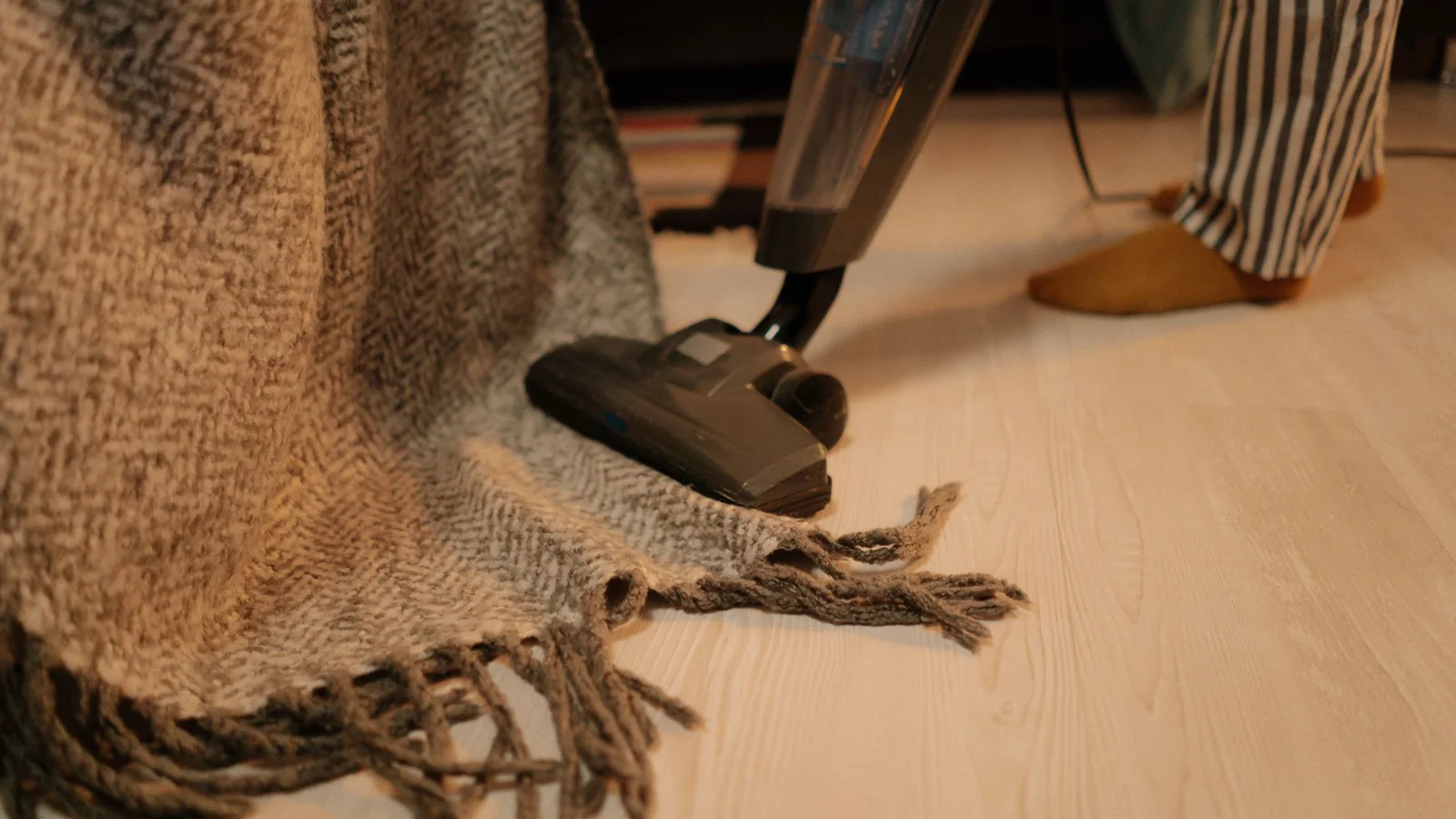
Sweep or vacuum with a hard-floor setting regularly rather than letting grit accumulate underfoot, since gritty dust is what causes most of the fine scratching that shows up over time. Felt pads under furniture legs and a doormat at the entry catch a surprising amount of the abrasive dirt before it ever reaches the floor. Avoid steam mops on vinyl plank, since excess heat and moisture at the seams is exactly the failure mode described above.
Frequently Asked Questions
Can I fix vinyl plank scratches?
Light scratches can buff out with a vinyl-safe polish.
Can I replace a plank?
Sometimes, if spares exist and it is a floating floor type.
When should I report it?
Report gouges or lifting planks to maintenance.
Related reading
- The Best Enzyme Cleaners for Carpet Stains Renters Need to Know
- Rental Floor Damage Checklist: What to Fix vs. What to Disclose
- What to Do With Furniture Damage You Caused in a Rental
- Normal Wear and Tear vs. Damage: The Renter’s Guide
Further reading
Helpful authoritative reading on this topic:
- HUD — Rental Assistance & Tenant Rights — Tenant rights and rental-assistance guidance by state