Patching a Large Hole With a Drywall Patch Kit
A hole bigger than a couple of inches, like the dent a doorknob punches through the wall, is past the point where spackle alone will hold. The fix renters reach for is a self-adhesive drywall patch: a thin metal screen backed by an adhesive mesh border that bridges the opening so you have something to spread compound over. These kits cost only a few dollars and turn an intimidating repair into a 20-minute job spread across an afternoon of drying time.
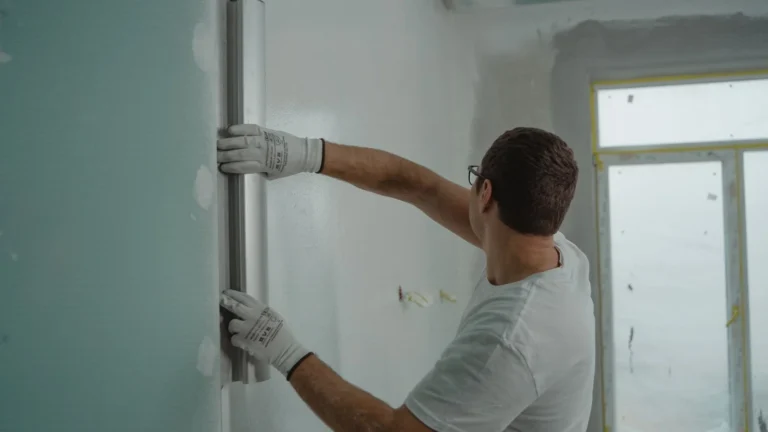
Start by squaring up the damage. Trim any crumbling drywall and loose paper from the edges of the hole with a utility knife so the patch sits flat against a clean surface. Peel the backing and center the patch over the hole, pressing the adhesive border firmly onto the surrounding wall. Spread a thin first coat of joint compound over the screen with a wide putty knife, working outward in every direction so the edges feather into the wall rather than ending in a hard line.
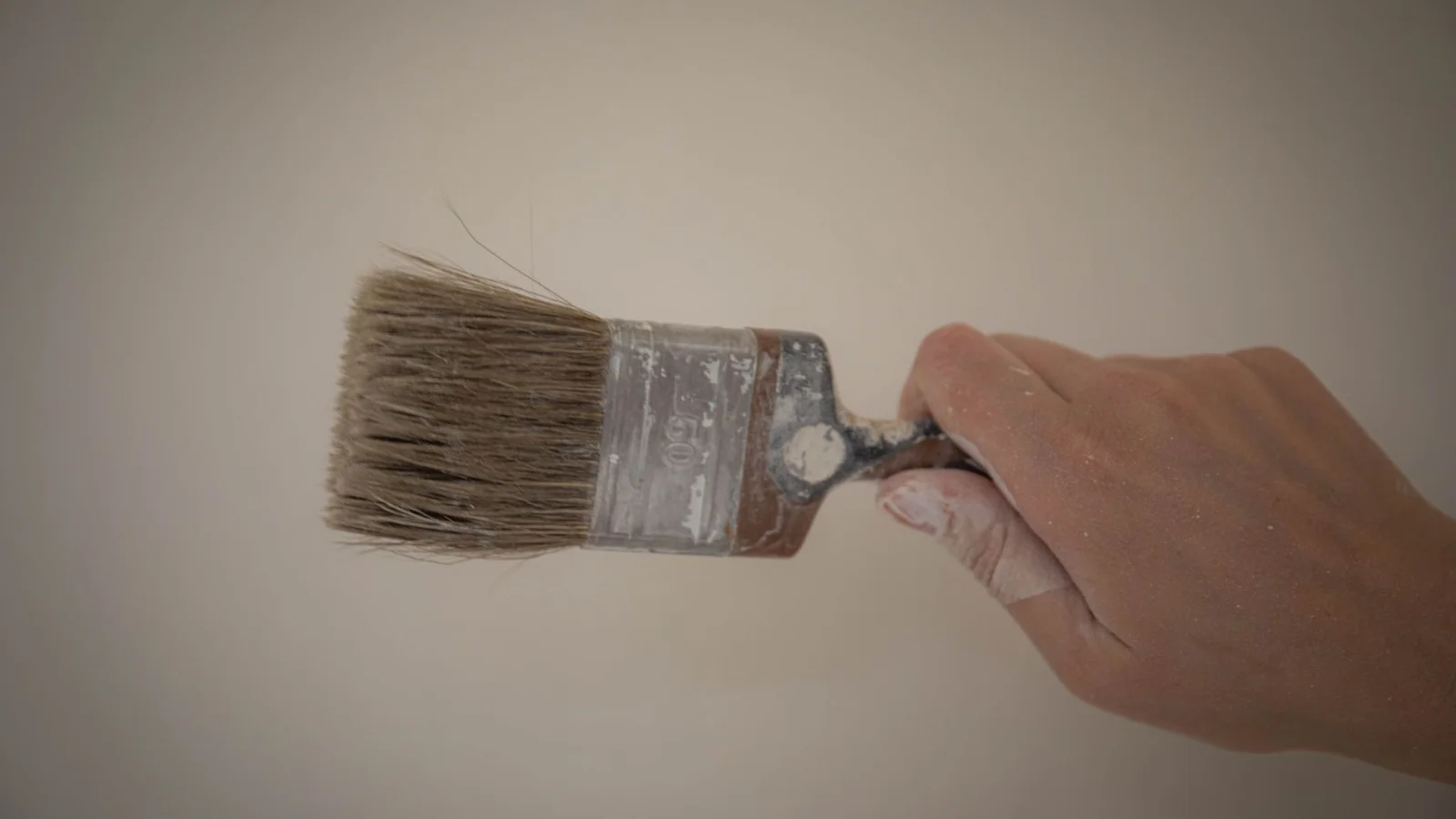
The secret to making a large patch disappear is patience and width. Let the first coat dry fully, then sand lightly and apply a second, wider coat that extends a few inches past the first. A third feathered coat is often what separates an invisible repair from an obvious bump. Once the final coat is sanded smooth and dust-free, prime the patched area before painting; a large bare patch will always flash through a single coat of color unless you seal it first.
Moving Out Soon?
Get our free room-by-room move-out checklist and keep your deposit.
See the Checklist →For a hole larger than the biggest patch kit, around six inches or more, a mesh patch may flex and crack over time, and a more durable approach is to cut the damage back to a clean square and set in a piece of new drywall backed by wood scraps. That is a bigger job, and it is worth weighing against simply reporting the damage to your landlord. A neatly finished patch you did yourself almost always costs less than a contractor charge, but be honest about your skill level so a botched repair does not create a larger deduction than the original hole.
When the Hole Involves a Stud or Wiring
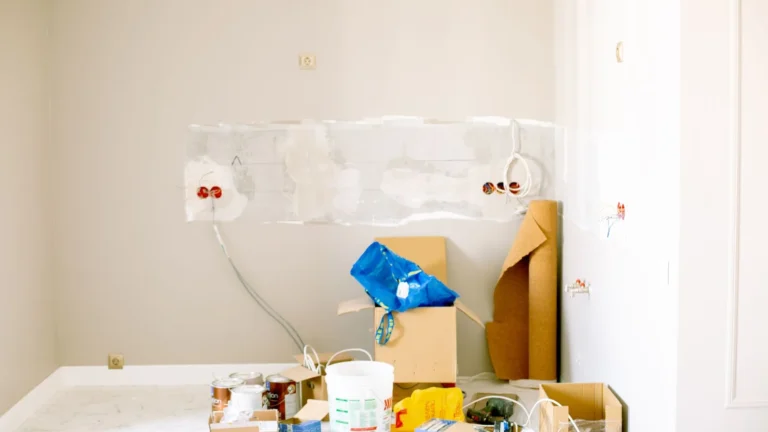
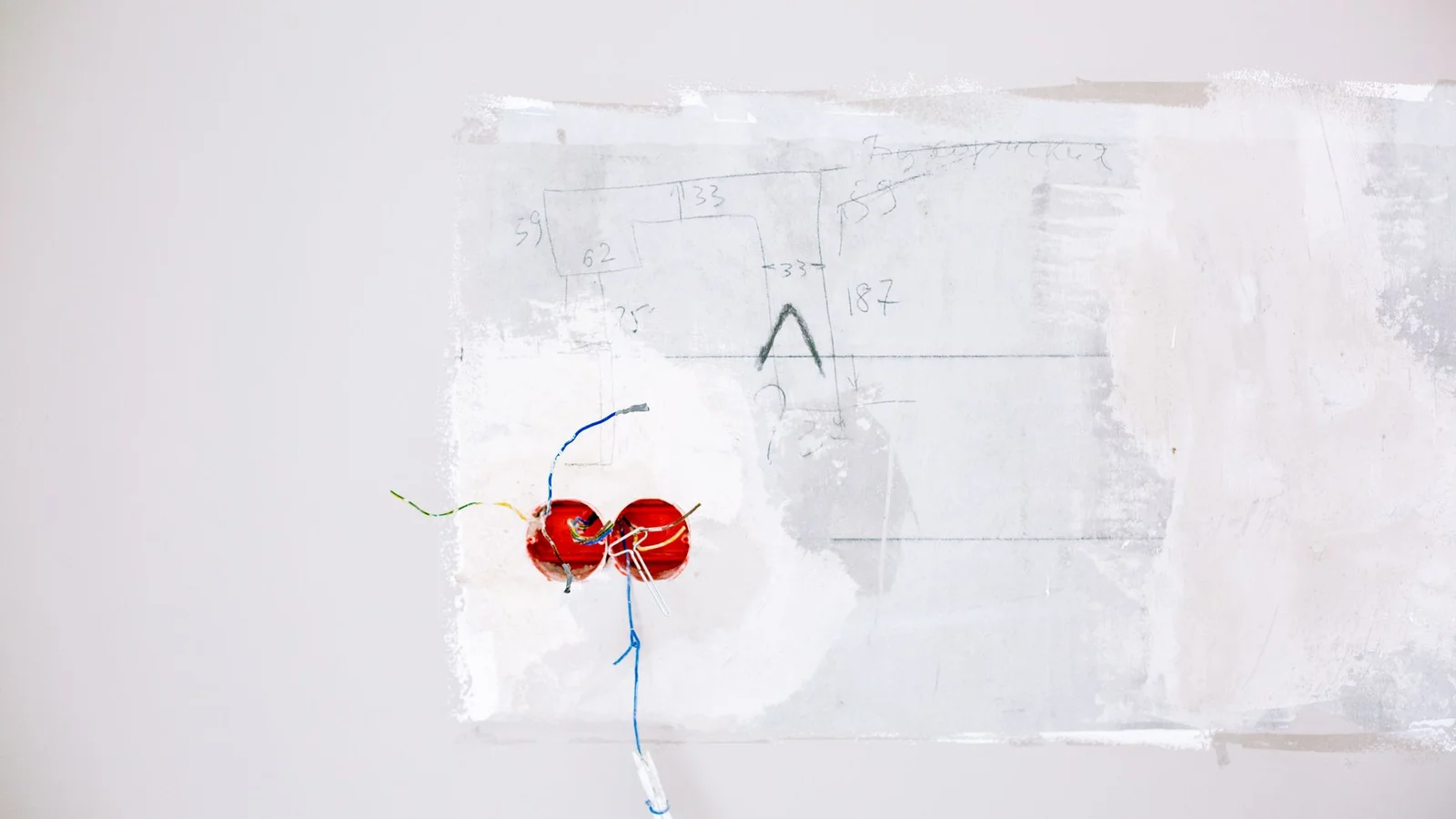
Before cutting into a large hole to install a patch, shine a flashlight inside and feel around the edges for wiring, pipes, or a stud running close to the opening. If you find any of these, or if the hole was caused by something more than an accidental impact (a slow leak, pest damage, or structural movement), stop and report it to your landlord instead of patching over it. Drywall repair is a reasonable DIY task; anything involving what’s behind the wall is where a routine fix can turn into a liability if it’s done wrong.
Frequently Asked Questions
Can I fix a large drywall hole myself?
Yes, a mesh or California patch with joint compound handles holes maintenance would otherwise charge for.
How long does it take?
Plan for a day or two, since the compound needs to dry between thin coats.
Do I need to paint after?
Yes, prime and paint the patch so it blends with the wall.
Related reading
- How to Fix Scuffed and Scratched Rental Floors Without Losing Your Deposit
- How to Remove Crayon or Marker From Walls Without Repainting
- How to Clean Stainless Steel Appliances Without Streaks
- The Best Way to Clean Oven Racks Without Scrubbing
Helpful resources for renters
A few reputable resources that back up the steps above:
- HUD — Rental Assistance & Tenant Rights — Tenant rights and rental-assistance guidance by state
- EPA — Protect Your Family From Lead in Your Home — Lead-paint precautions when sanding or patching pre-1978 walls