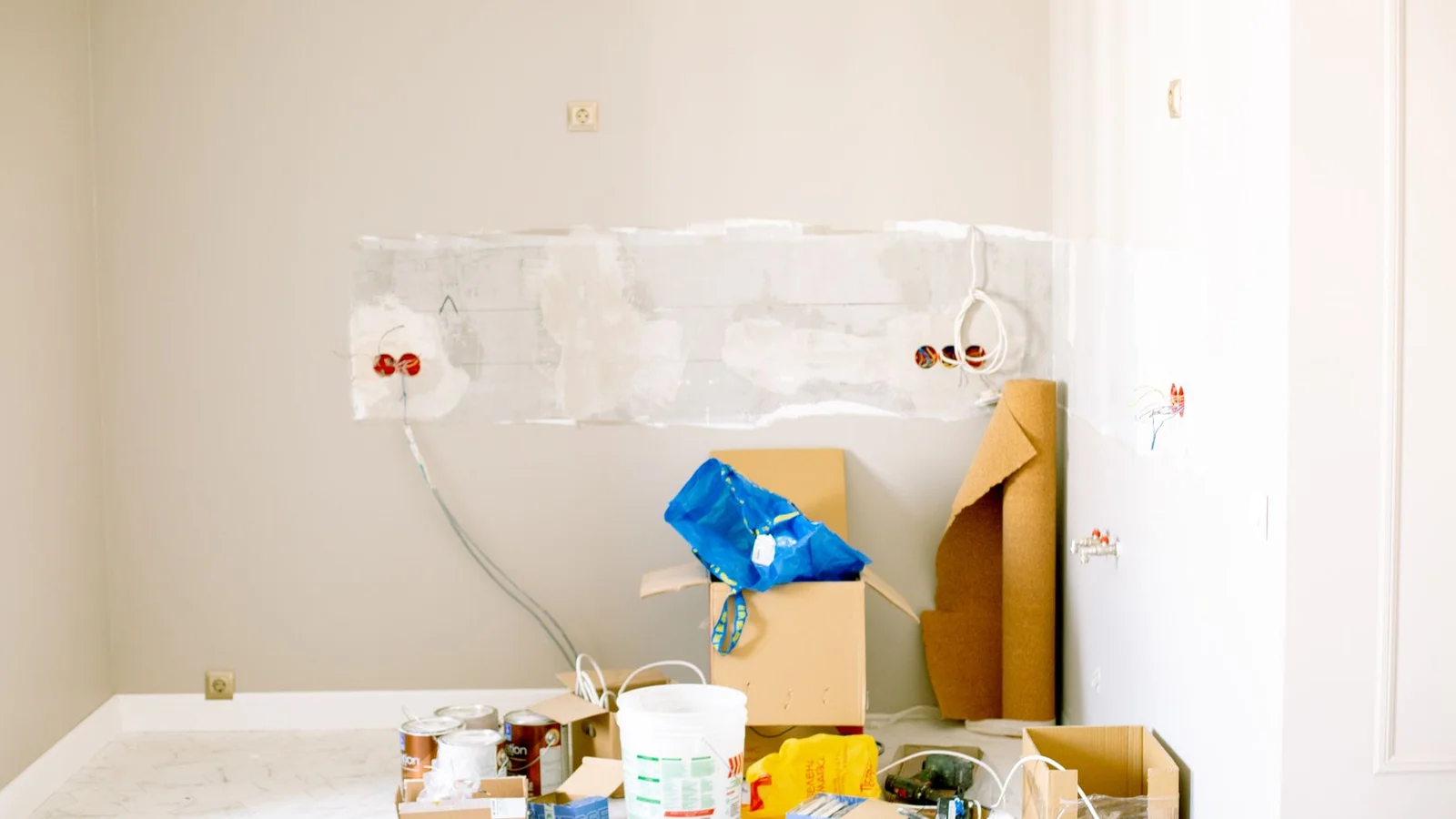
Drying time is where impatient repairs go wrong. Spackle that looks dry on the surface can still be soft underneath, and sanding or painting too early ruins an otherwise good patch. Knowing roughly how long to wait, and how to tell for sure, is what separates a nail-hole fix that vanishes from one that cracks or flashes a week later.
How Long It Actually Takes
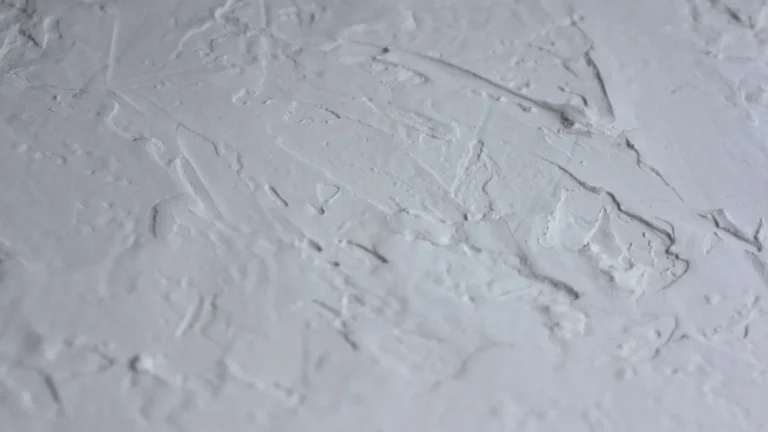
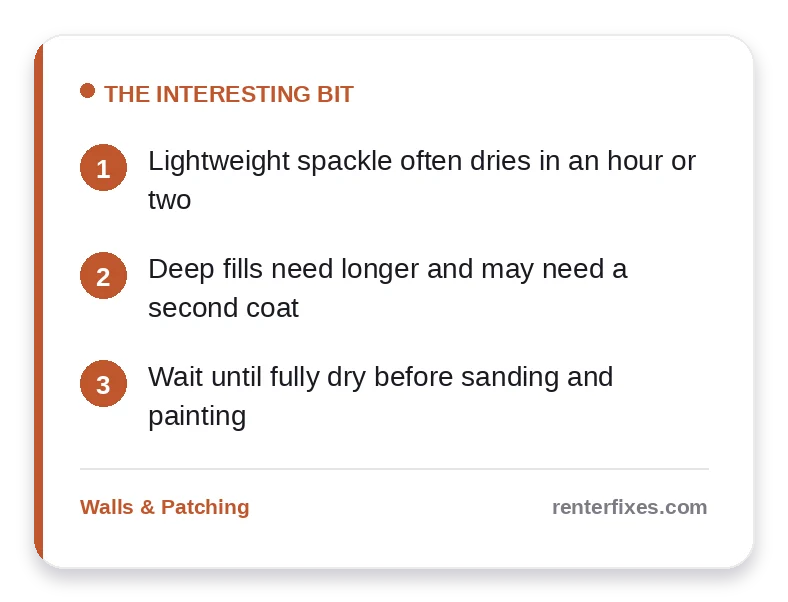
A thin application of lightweight spackle in a small nail hole is usually ready to sand in thirty minutes to an hour. A thicker fill, or a deeper anchor hole, can need two to four hours, and a heavy patch may need to sit overnight before it is fully cured through. Humidity and depth stretch those times: a patch in a steamy bathroom or during damp weather takes longer than the same patch in a dry, warm room, and a deep hole packed in one pass stays wet in the center long after the surface skins over.
Moving Out Soon?
Get our free room-by-room move-out checklist and keep your deposit.
See the Checklist →Two or Three Thin Coats, Not One Thick One
Applying spackle in thin layers, rather than one heavy fill, both dries faster and shrinks less. Let each coat fully skin over before adding the next, and resist the urge to load up the hole in a single pass just to save a step.
Telling When It’s Actually Ready
Color-changing spackle takes the guesswork out entirely: it goes on tinted pink or blue and turns bright white once it has dried enough to sand. Without it, press gently on the patch; if it feels cool to the touch or gives at all, moisture is still leaving and it needs more time.
Speeding It Up Safely
Spackle cures slower in a cold room and faster in a warm, well-ventilated one, so opening a window or running a fan on a damp day genuinely helps. Skip the hair dryer on high heat directly on the patch, though — forcing the surface to dry while the inside is still wet can crack the patch or trap moisture that later bubbles the paint. Once it is fully dry, sand flush, wipe away the dust, prime, and paint; painting over spackle that has not cured is the single most common cause of a patch that bubbles or dents later.
Find color-changing spackle and sanding sponges: spackle and patching supplies on Amazon.
More help: Walls and Patching guides
Deep Fills and Anchor Holes Need Extra Patience
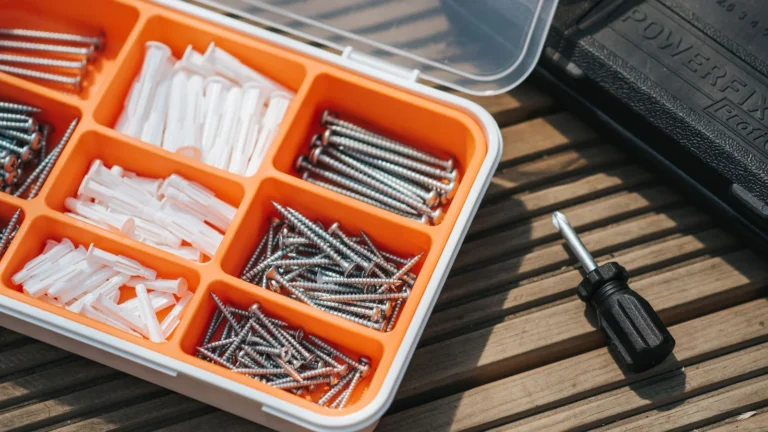
A hole left by a plastic wall anchor is deeper than a simple nail hole and holds moisture longer at its center even after the surface looks dry. Test these with the press method rather than trusting a visual check, and plan on the higher end of the drying window, closer to overnight, before sanding.
What Happens If You Rush It Anyway
Sanding damp spackle smears rather than powders, clogging your sandpaper and leaving a rough, uneven surface instead of a flush one. Painting over a patch that has not cured traps the remaining moisture under the paint film, which can bubble, dent, or discolor within days — often right around the time your landlord does the final walkthrough. Waiting the extra hour is always cheaper than repainting the spot twice.
Frequently Asked Questions
How long does spackle take to dry?
Lightweight spackle often dries in an hour or two for shallow fills.
When can I paint over it?
After it is fully dry and sanded smooth; deep fills may need a second coat.
Can I speed it up?
Thin coats dry faster than one thick application.
Related reading
- How to Take Move-Out Photos That Actually Protect You
- How to Touch Up Wall Paint Without It Looking Patchy
- How to Remove Scuff Marks from Walls Without Damaging Paint
- How to Match Paint Color in a Rental Apartment
Helpful resources for renters
Related official resources:
- HUD — Rental Assistance & Tenant Rights — Tenant rights and rental-assistance guidance by state
- EPA — Protect Your Family From Lead in Your Home — Lead-paint precautions when sanding or patching pre-1978 walls