Peeling Paint: Your Responsibility or the Landlord’s?
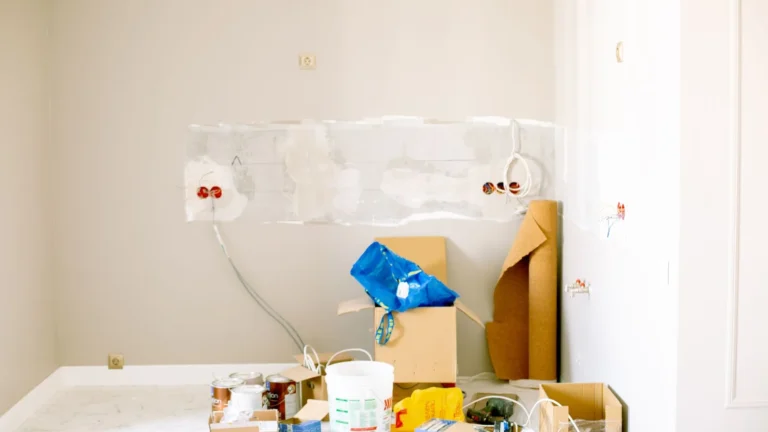
Peeling paint in a rental is a complicated issue. If the paint was already peeling when you moved in and you documented it at move-in, it is the landlord’s responsibility. If the peeling was caused by moisture you introduced, such as steam from a poorly ventilated bathroom or condensation from a window air conditioner, it may be considered tenant-caused damage. Either way, understanding how to address peeling paint before move-out can protect your deposit from a deduction that might otherwise be charged to you even if the cause was pre-existing.

Small Areas of Peeling Paint
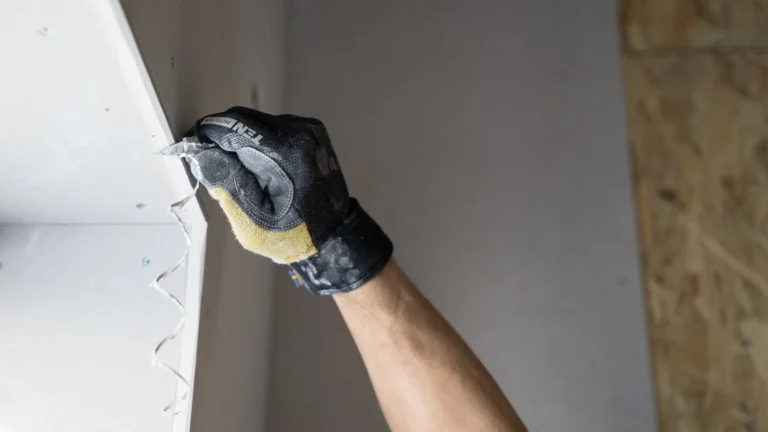
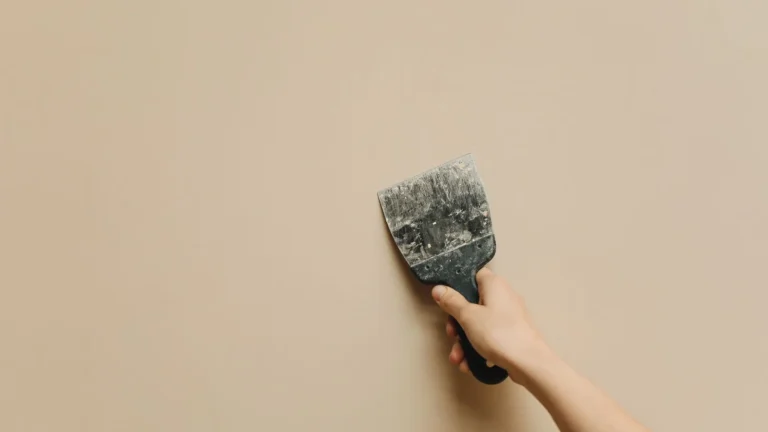
For small areas of peeling paint, the fix involves removing the loose paint, feathering the edges, and repainting. Start by peeling away all of the loose paint until you reach edges that are firmly bonded to the wall. Use a putty knife or a paint scraper to scrape the edges smooth, feathering them so there is not a sharp step between the bare area and the painted surface. Sand the edges lightly to blend them further. Apply a thin coat of spackle or joint compound to fill any low spots where paint has come away, sand smooth when dry, then prime and repaint.
Why You Should Prime Before Painting
Skipping primer on a repaired area often leads to a visible difference in sheen or texture between the patch and the surrounding paint. A coat of primer seals the repaired surface and ensures the finish coat adheres properly and looks consistent. Spot priming with a brush takes five minutes and makes the final painted result much cleaner.
Moving Out Soon?
Get our free room-by-room move-out checklist and keep your deposit.
See the Checklist →Addressing the Underlying Cause
If paint is peeling near the bathroom, above a window, or along an exterior wall, there is likely a moisture cause. Make sure your bathroom exhaust fan works and is being used during showers. Check for any window condensation or gaps in caulking that could be allowing moisture into the wall. Repainting over a moisture problem without addressing the cause will result in the new paint peeling again.
When to Document and Disclose
If you are dealing with significant peeling in multiple areas and you know it was pre-existing, gather your move-in photos and note it in any move-out communication with your landlord. Pre-existing damage that was documented at move-in is not your financial responsibility. However, if the peeling worsened during your tenancy due to moisture or neglect, address what you can and document the original condition clearly.
Get paint scrapers, primer, and touch-up paint for peeling repairs: peeling paint repair supplies on Amazon.
More help: Walls and Patching guides
Blending Repairs Into Textured Walls
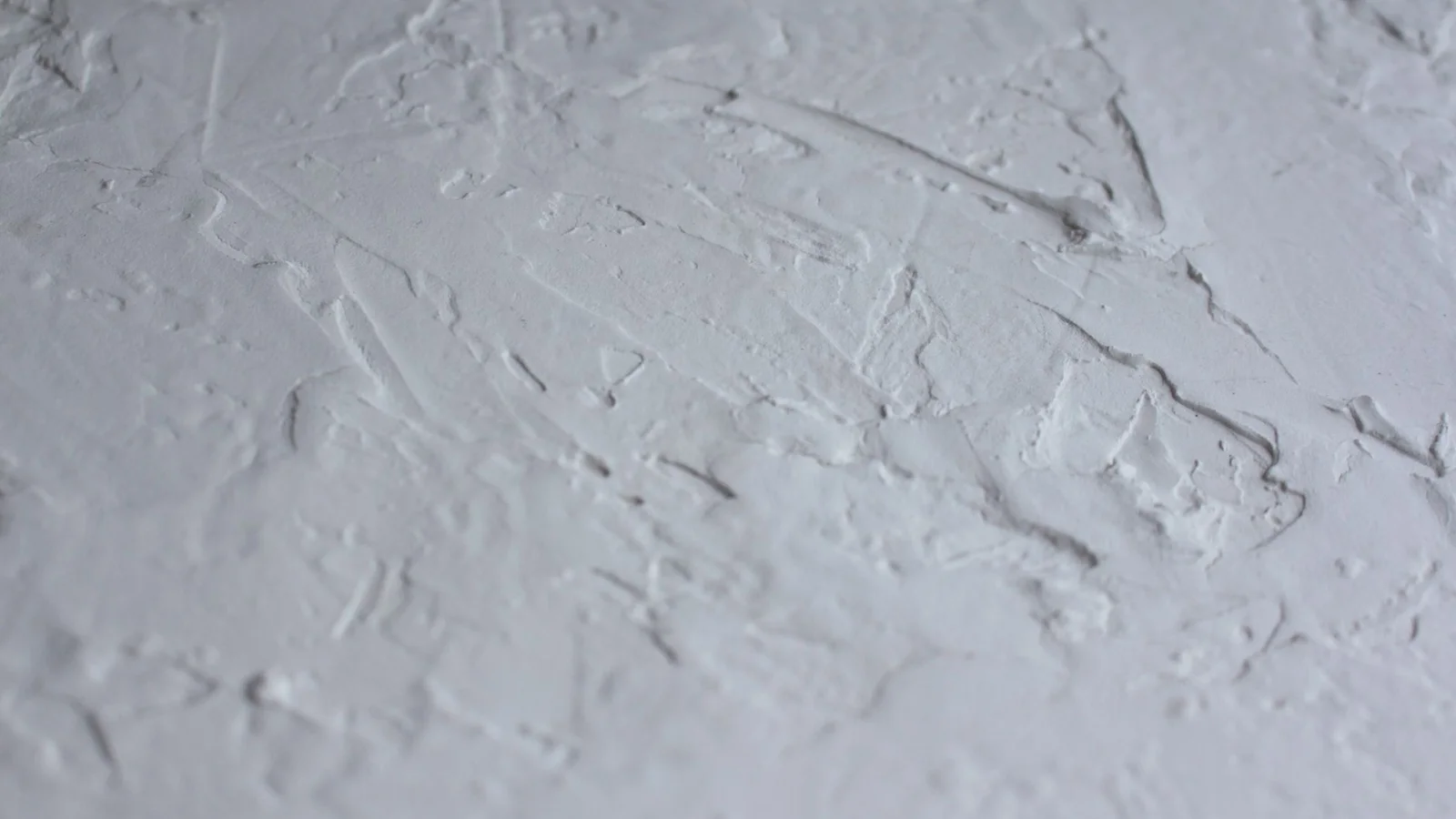
A smooth spackle patch stands out like a thumbprint on a textured wall because the eye instantly catches the flat spot among the surrounding bumps. Most rental walls wear one of two sprayed textures: orange peel, a fine stippled pattern that looks like the skin of its namesake, or knockdown, a coarser splatter that has been lightly flattened with a blade. Matching either one is less about the patch and more about recreating the texture over it before you paint.
For small areas, an aerosol wall texture can in the matching style is the simplest solution. After your patch is filled, sanded, and primed, hold the can well back from the wall and spray in short bursts, building up the stipple gradually so you can match the density of the surrounding pattern. For knockdown, let the sprayed texture set for a minute until it loses its shine, then drag a wide drywall knife lightly across it to flatten the peaks the same way the original was done. Practice the spray pattern on a piece of cardboard first to dial in the nozzle and distance.
For a single small patch, you can often mimic the texture by hand. Dab thinned joint compound on with a damp sponge, a stiff brush, or a crumpled plastic bag to build an orange-peel stipple, knocking it down with a blade if you are matching that finish. The goal is to fool the eye at normal viewing distance, not to achieve perfection.
Ceilings often carry the heaviest texture of all, the popcorn finish, and renters should treat it with extra caution. Popcorn is hard to match and, in older buildings, can contain asbestos, so scraping or sanding it is a job to leave to the landlord rather than attempt yourself. For textured walls in general, once your repair is dry, prime and paint the area and feather the color outward into the surrounding wall. A textured repair that is close on color and pattern reads as part of the wall, while a glassy-smooth patch announces itself the moment someone walks past.
If matching a texture feels beyond what you want to attempt, weigh the alternative honestly before spending hours on it. A small, well-filled patch that is smooth but the right color often passes at normal viewing distance better than a clumsy texture attempt that draws the eye. For a heavily textured wall with significant damage, it can be worth asking your landlord whether they would prefer to handle the texture-matching themselves, since a professional spray match is hard to replicate by hand and a poor attempt can look worse than the original flaw.
Frequently Asked Questions
Can I match textured walls myself?
Yes, spray texture cans match knockdown and orange peel finishes fairly well.
How do I get it right?
Practice on cardboard to dial in the spray pattern before applying.
Do I paint over it?
Yes, prime and paint once the texture dries fully.
Related reading
- Rental Wall Repair Checklist: Everything to Fix Before Move-Out
- How to Hide Wall Damage You Can’t Fully Repair Before Move-Out
- Best Peel and Stick Wall Patch Kits Renters Actually Use
- How to Repair a Tile That Has Cracked in Your Rental
Helpful resources for renters
Want to dig deeper? These trusted, independent resources are worth a read before you start:
- HUD — Rental Assistance & Tenant Rights — Tenant rights and rental-assistance guidance by state
- USA.gov — Tenant Rights — How to handle landlord disputes and deposit issues
- EPA — Protect Your Family From Lead in Your Home — Lead-paint precautions when sanding or patching pre-1978 walls