Grout Cleaning Is One of the Highest-Impact Move-Out Tasks
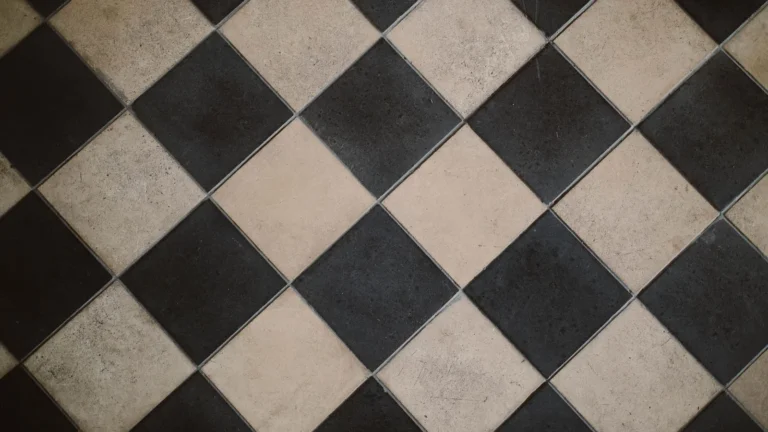
Dirty grout lines are one of the most visible signs of a poorly maintained apartment, and one of the first things a landlord notices during a bathroom or kitchen tile inspection. Grout is porous and absorbs stains, mold, and discoloration over time. Standard mopping does not clean grout since the mop head rolls over the recessed lines without scrubbing them. A dedicated grout cleaning session before move-out transforms the appearance of tile floors and walls and eliminates a common deduction category.
Basic Grout Cleaning with Baking Soda and Vinegar
A cost-effective DIY grout cleaning approach uses baking soda and white vinegar. Apply a paste of baking soda and water directly to the grout lines and let it sit for five to ten minutes. Spray or apply white vinegar over the paste and let the fizzing reaction work for another minute. Scrub with a stiff grout brush or an old toothbrush using firm back-and-forth strokes along the grout line. Rinse with clean water. This approach works well for moderate staining and is safe for most tile and grout types.
Commercial Grout Cleaners for Heavier Staining
For heavily stained or mold-affected grout, a commercial grout cleaner provides more cleaning power than DIY solutions. Products containing oxygen bleach are effective on stains and safe for colored grout. Chlorine bleach diluted with water works on white grout but can discolor colored or cement grout. Apply the cleaner to the grout lines, allow it to dwell for the recommended time, scrub with a grout brush, and rinse thoroughly. Always test a small inconspicuous area first when using a commercial product on an unfamiliar tile installation.
Moving Out Soon?
Get our free room-by-room move-out checklist and keep your deposit.
See the Checklist →Grout That Will Not Come Clean
Some grout has stained permanently or has mold that has grown into the grout body itself and cannot be removed by surface cleaning. In these cases, a grout pen or grout colorant is a practical solution. These products apply a new color coating over the grout lines, restoring a clean appearance without removing and replacing the grout. Grout pens are available in white and common grout colors and apply with a marker-like tip for precise application.
Grout Lines on Shower Walls
Shower wall grout is a separate cleaning task from floor grout. Soap scum and mildew accumulate differently on vertical surfaces. Use a daily shower spray product to loosen buildup before scrubbing. A bathroom grout brush with a long handle makes scrubbing vertical grout lines much easier. Pay particular attention to the bottom row of grout where the shower wall meets the floor, which collects the most residue.
Find grout brushes, grout cleaners, and grout pens: grout cleaning supplies on Amazon.
More help: Floors and Carpet guides
Deep Cleaning Carpet by Hand Without a Machine
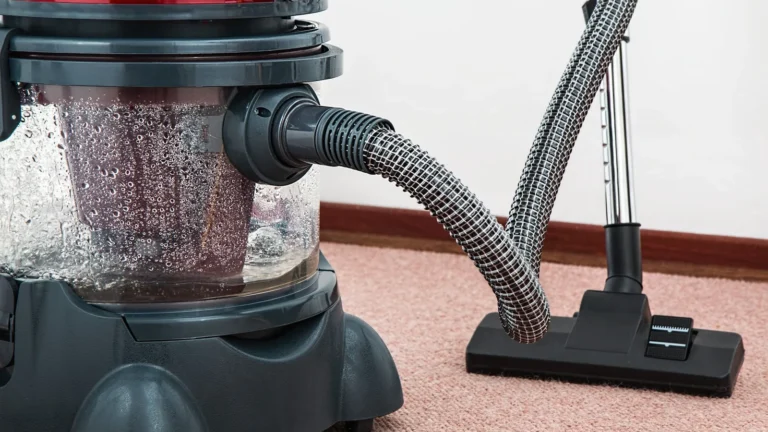
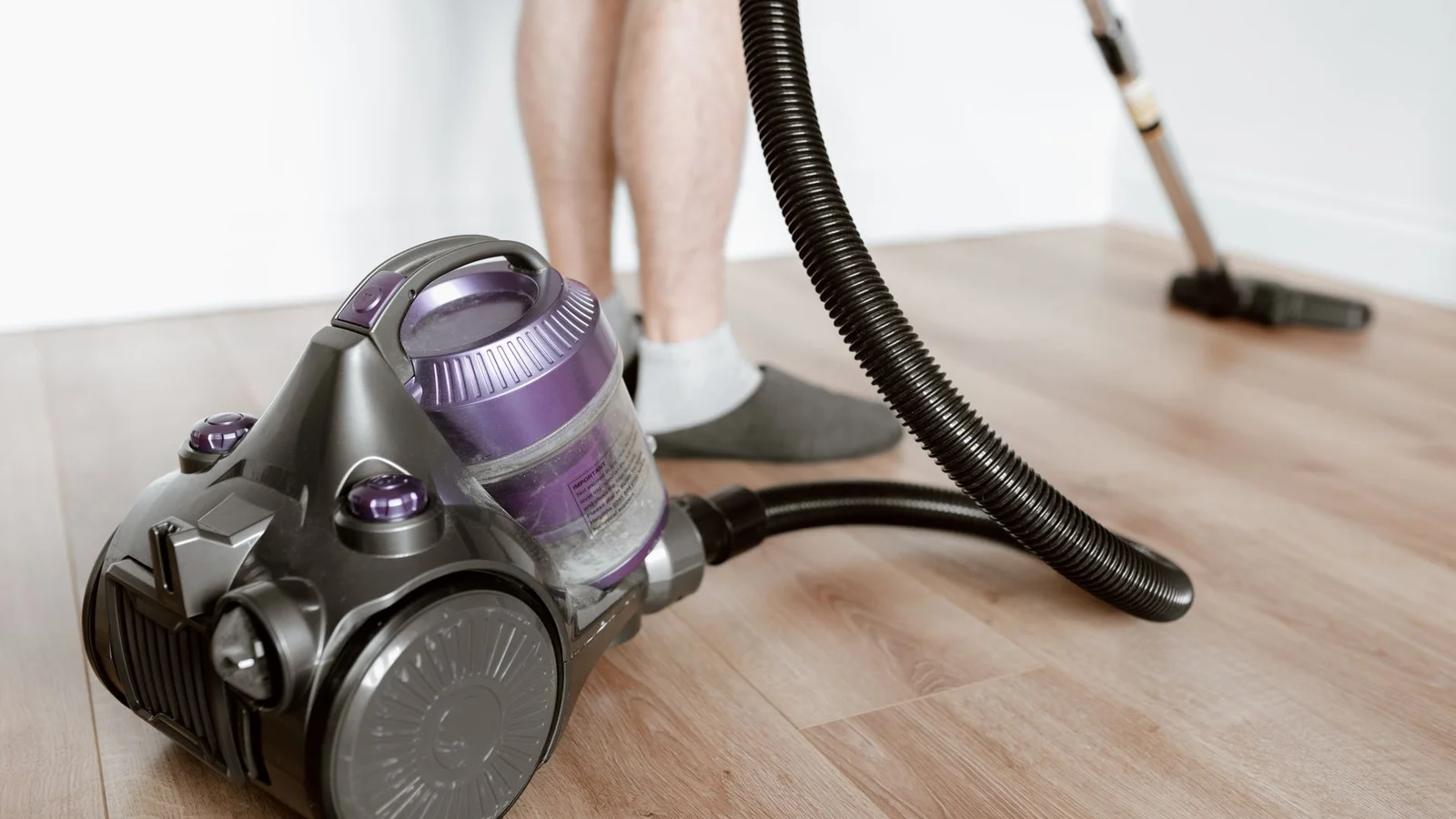
You do not need to rent a steam cleaner to get carpet looking genuinely refreshed before a move-out, and for a small apartment a thorough hand cleaning is often all it takes. The foundation of any deep clean is vacuuming, done slowly and in multiple directions. Most people rush this step, but passing over each section several times from different angles lifts ground-in grit that a single quick pass leaves behind, and removing that grit is what makes the pile look fuller.
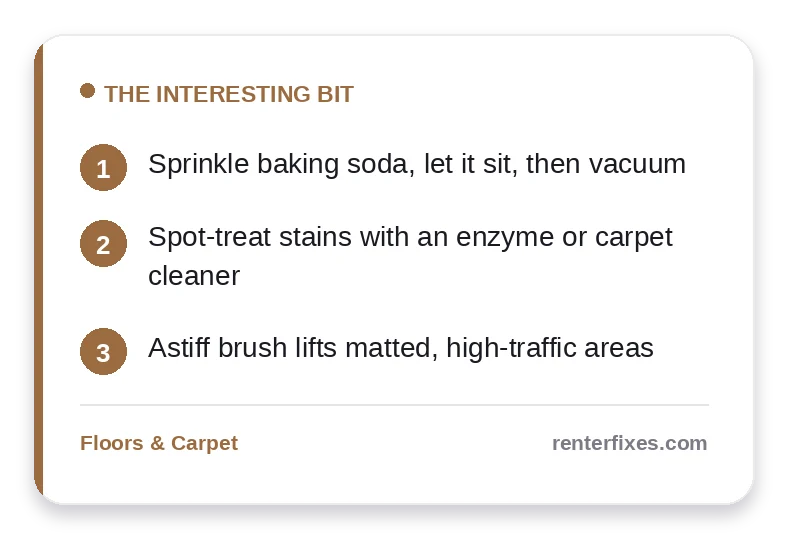
For overall freshening and odor, baking soda is the renter’s best friend. Sprinkle it generously over the carpet, work it gently into the fibers with a brush or broom, and let it sit for at least fifteen minutes, or several hours for stubborn smells, before vacuuming it all up. Baking soda absorbs odors and lifts some surface grime without any moisture, making it ideal when you want results without the long drying time a machine requires.
For spots and high-traffic lanes, a hand-scrub approach works well. Mix a little dish soap or a carpet-safe cleaner into warm water, dip a stiff brush or sponge, and work it into the soiled areas in small circles, then blot up the loosened dirt with a clean towel. The trick is to use as little water as possible and to blot thoroughly, since over-wetting carpet without a machine to extract it can leave it damp long enough to smell musty.
Finish by rinsing your cleaned spots with a cloth dampened in plain water to remove soap residue, which otherwise attracts dirt and leaves the area looking gray again within days. Then let the carpet dry completely with windows open or a fan running before you walk on it or replace furniture. A by-hand deep clean takes more elbow grease than a machine, but done methodically it brings a tired rental carpet back to a clean, even appearance that shows a landlord you cared for the space.
Deep Clean Carpet Without Renting a Machine
You can get rental carpet noticeably cleaner by hand when a machine is not available. Vacuum thoroughly first, then treat traffic lanes and spots with a carpet cleaning solution or a diluted dish-soap mix, working it in with a soft brush and blotting up the loosened dirt with clean towels.
For an all-over refresh, sprinkle baking soda across the carpet, let it sit to absorb odor, and vacuum it up before you start on stains. Avoid over-wetting, which can soak the padding and invite mildew. A patient hand-clean lifts enough ground-in grime to make the carpet read as maintained, which is what your inspection turns on.
Frequently Asked Questions
How do I deep clean carpet without a machine?
Baking soda left to sit and then vacuumed lifts odor and dirt.
What about stains?
Spot-treat them with an enzyme or carpet cleaner.
How do I revive matted areas?
A stiff brush lifts flattened, high-traffic fibers.
Related reading
- How to Fix Scuffed and Scratched Rental Floors Without Losing Your Deposit
- How to Clean Stainless Steel Appliances Without Streaks
- How to Clean Grout in a Rental Bathroom (Landlord-Ready)
- The Best Way to Clean Oven Racks Without Scrubbing
Sources & further reading
For the authoritative guidance behind this advice, see:
- USA.gov — Tenant Rights — How to handle landlord disputes and deposit issues
- EPA Safer Choice — EPA-certified safer cleaning products