
Removing Pest Odors From a Kitchen
A lingering musty or oily smell in a kitchen that has had a roach or ant problem comes from a combination of the pests themselves, their droppings, and the food residue and pheromone trails they leave behind, and clearing the odor means cleaning away those sources rather than spraying over them. The smell often hides in exactly the places pests congregate, inside and behind cabinets, under appliances, and in cracks, so a thorough cleaning is both an odor fix and a deterrent against the pests returning.
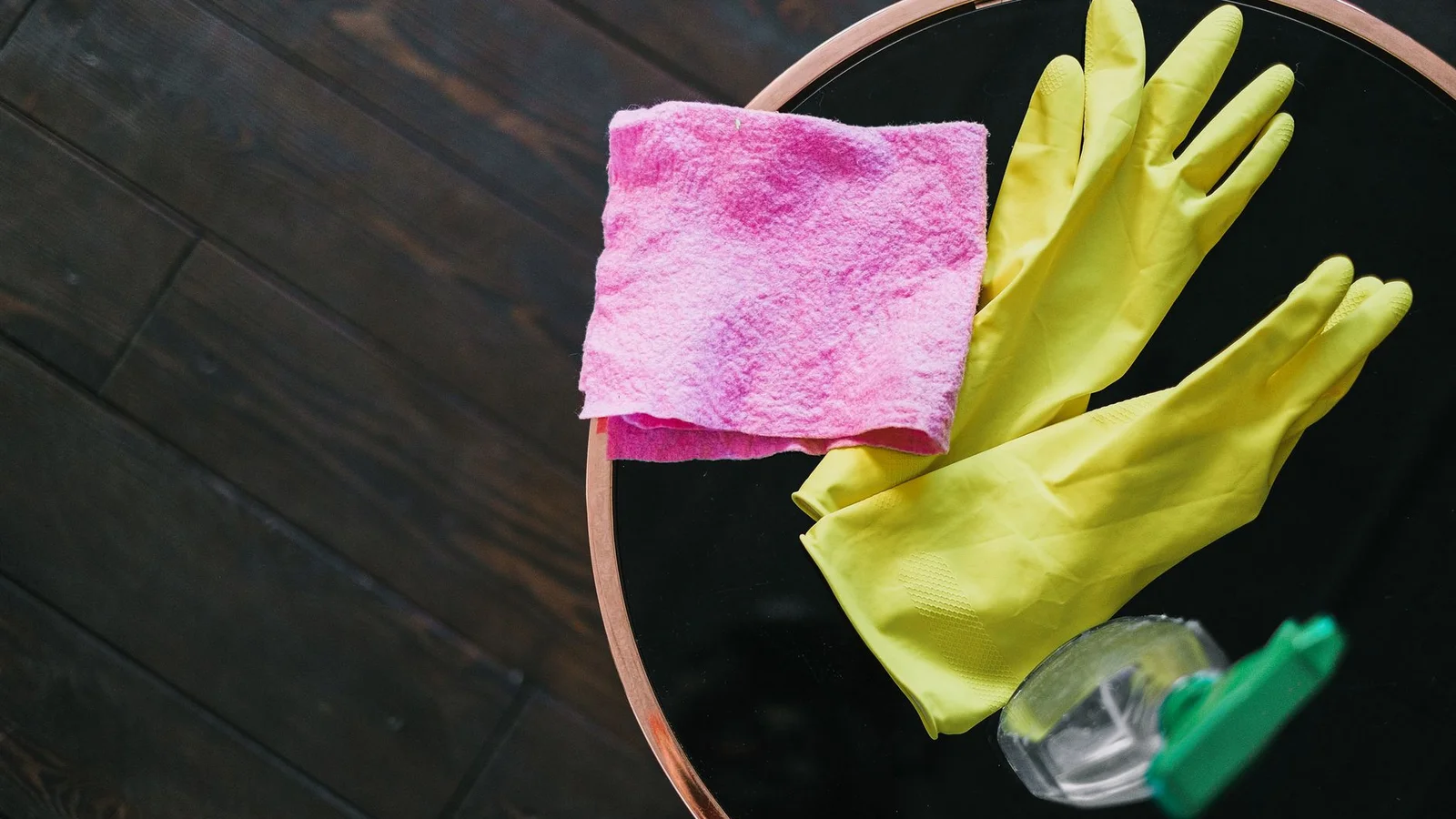
Empty and clean the cabinets and pantry first, since that is ground zero. Take everything out, wipe down every shelf and interior surface with a solution of white vinegar and warm water, which neutralizes odor and removes the greasy residue and trails pests follow, and pay attention to corners, hinges, and the undersides of shelves. Discard any food in compromised or unsealed packaging. Vinegar is ideal here because it both deodorizes and disrupts the scent trails that draw ants back to the same spots.
Then reach the hidden zones. Pull out the stove and refrigerator if you can and clean behind and beneath them, where crumbs, grease, and droppings accumulate and smell. Clean under the sink, a favorite damp hideout, and around the baseboards and any visible cracks. A deep clean of these areas removes the bulk of the odor source. Setting out bowls of baking soda or activated charcoal afterward absorbs the residual smell from the air over a few days.
Moving Out Soon?
Get our free room-by-room move-out checklist and keep your deposit.
See the Checklist →Prevention seals the result and protects you at move-out. Store remaining food in airtight containers, fix the moisture that attracts pests by wiping up spills and reporting any leaks, and keep counters and floors free of crumbs. If you still see active pests, that is an infestation worth reporting to your landlord, since pest control in a rental is often their responsibility and a problem that predates you may not be your fault. A clean, odor-free kitchen with no signs of pests is what an inspection should find, and the deep clean that removes the smell is the same work that helps keep them gone.
Find the Nest, Not Just the Smell
A roach or ant odor in a kitchen points to an active infestation or a food source, and masking it does nothing. Track the smell to its origin: behind and under the fridge, inside lower cabinets, and around the trash and sink are the usual hot spots. Removing the food and moisture that drew the pests is what actually clears the odor.
Clean hard surfaces with a vinegar solution to erase the scent trails ants follow, seal food in containers, and fix any slow drip under the sink. If the problem is established, report it to your landlord in writing, since pest control in a rental is frequently their responsibility and documenting it protects you from being blamed at move-out.
Sealing the Entry Points, Not Just the Smell
Eliminating the odor only solves half the problem if pests are still getting in. Caulk gaps around baseboards, under the sink, and where pipes enter the wall, since these are the routes ants and roaches actually use. Store dry goods in sealed containers rather than their original bags, and take trash out nightly rather than letting it sit overnight. Bait stations placed along walls (not sprays, which scatter roaches into wall voids) work faster than most renters expect and won’t leave a chemical smell behind on top of the one you’re trying to remove.
Frequently Asked Questions
How do I get rid of pest smell in the kitchen?
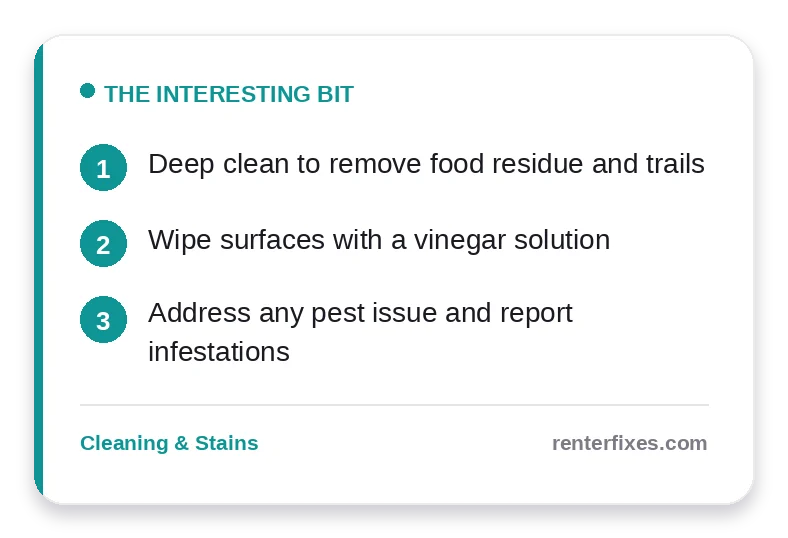
Deep clean to remove food residue and wipe surfaces with vinegar.
Will cleaning alone fix it?
Address the pest issue too, and report any infestation.
What surfaces matter most?
Inside cabinets, behind appliances, and along any trails.
Related reading
- How to Get Smoke Smell Out of a Rental Apartment
- How to Remove Grease Stains From Kitchen Walls in a Rental
- How to Fix Scuffed and Scratched Rental Floors Without Losing Your Deposit
- How to Fix a Running Toilet in Your Rental (No Plumber, No Drama)
Helpful resources for renters
Helpful authoritative reading on this topic:
- HUD — Rental Assistance & Tenant Rights — Tenant rights and rental-assistance guidance by state
- EPA Safer Choice — EPA-certified safer cleaning products